Weaning, more than a change of food: it shapes a life-long, healthy gut
In animal models, weaning reshaped the gut microbiome, which in turn ‘trained’ intestinal stem cells to respond better to microbes later in life.
Read More

In animal models, weaning reshaped the gut microbiome, which in turn ‘trained’ intestinal stem cells to respond better to microbes later in life.
Read More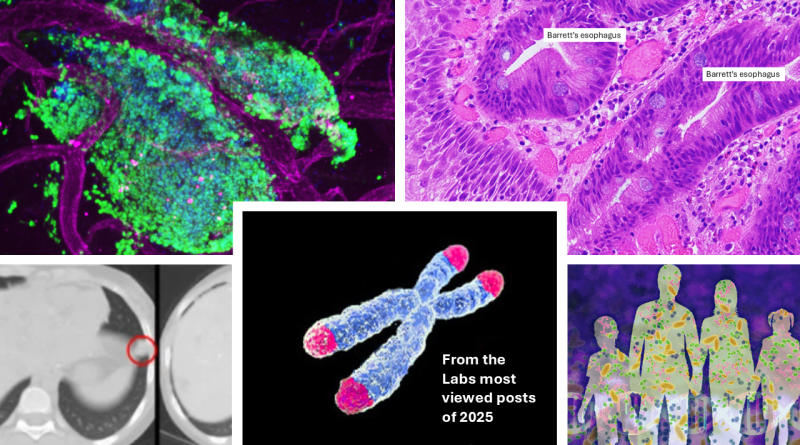
These are the top five science posts selected by our viewers in 2025.
Read More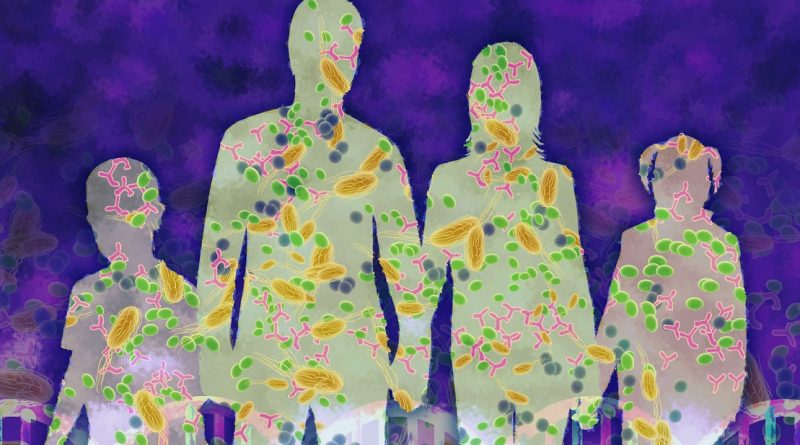
By evaluating temporal trends in the guts of developing children, this study helps to lay the groundwork for therapeutics and diagnostics leveraging the microbiome and its constituents.
Read More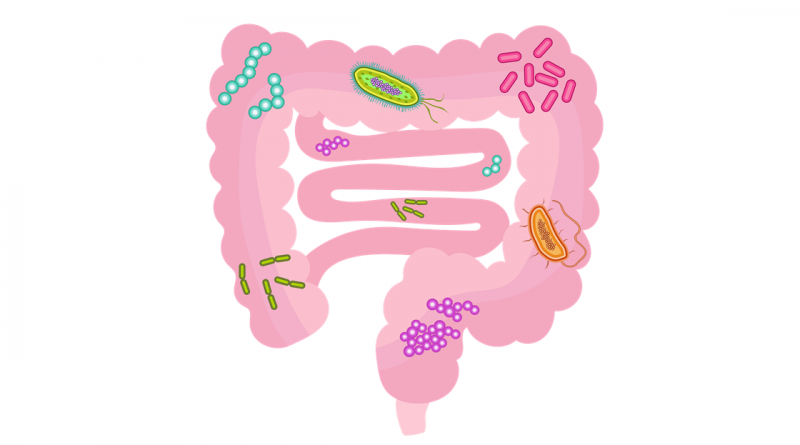
This is one of the first studies to provide an explanation and a potential solution for the imbalance in the gut microbiome that exacerbates GVHD.
Read More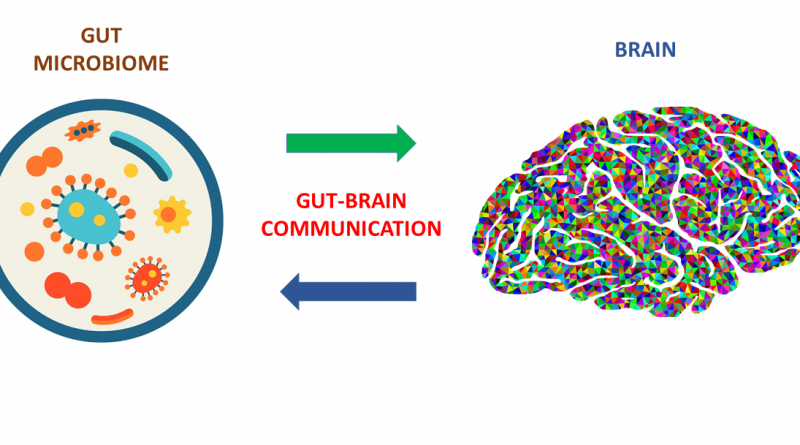
This protocol gives researchers a road map to understand the complex traffic system between the gut and the brain and its effects.
Read More
Emu can advance our understanding of the roles of the microbiome in water, soil and the intestinal tract.
Read More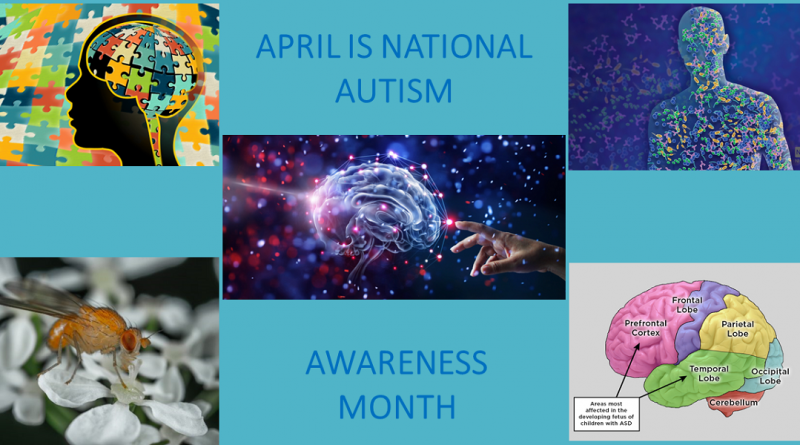
From the Labs presents a sample of Baylor’s basic research work contributing to a better understanding of autism and related disorders.
Read More
Optogenetics, a method that uses light to regulate gene expression, can control gut bacterial metabolism to promote longevity.
Read More
When you eat, you also feed your microbiome and influence the structure of the microbial community in the gut. Understanding how all this is connected
Read More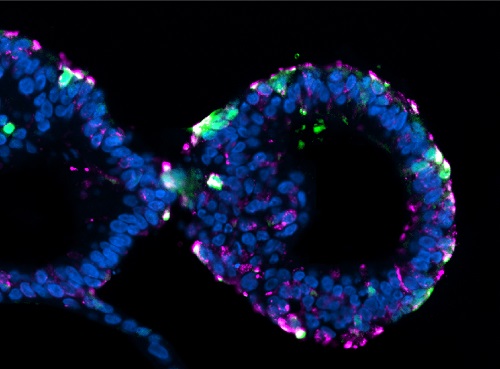
Throughout the gastrointestinal tract there are specialized hormone-producing cells called enteroendocrine cells and, although they comprise only a small population of the total cells, they
Read More