Polycystic Ovary Syndrome isn’t what you think. A new name makes it clear.
 One of the world’s most common reproductive disorders has a new name and Dr. Utsavi Shah says it is an appropriate update.
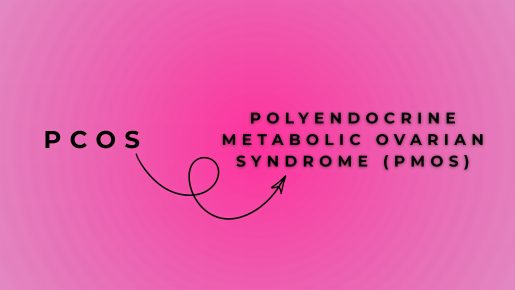
Following a global consensus process, polycystic ovary syndrome, or PCOS, is now called polyendocrine metabolic ovarian syndrome, or PMOS.
Why the name change?
“The new name is long overdue, addressing inaccuracies and emphasizing the true complexity of this condition,” Shah said. “The hope is that it will lead to better understanding of the disorder, faster diagnosis and more comprehensive treatment.” As noted in the announcement, the condition affects 170 million women worldwide.
Shah, an assistant professor in Baylor’s Department of Obstetrics and Gynecology, has spent years explaining to her patients that the condition was not what its name implied.
What is PMOS?
“The first thing I would tell patients is that the name is fundamentally untrue, because it implies there are multiple cysts on their ovaries,” Shah said. “The name originated from early findings of what appeared to be cysts, but they aren’t. They are arrested follicles on the ovaries that were trying to grow and trying to ovulate but couldn’t because of an underlying hormonal disorder.”
The inaccurate name also portrayed the condition as an isolated ovarian disorder, she added. “PMOS is a complex disorder that involves multiple endocrine and metabolic abnormalities – not an isolated ovarian condition.”
What are the symptoms of PMOS?
PMOS occurs when a woman’s ovaries produce higher than normal amounts of male sex hormones, known as androgens. The result is a hormonal imbalance that can lead to irregular periods, ovulation problems and other complications.
“The primary symptom, the one that brings most women in to see a doctor, is irregular periods,” Shah said. Other symptoms include signs of excess androgens (hyperandrogenism), like acne, abnormal hair growth on the face or body, or weight gain.
How is PMOS diagnosed?
While the name of the condition has changed, the criteria for diagnosing PCOS, now PMOS, remains the same. For patients 20 years or older, two of three criteria must be met:
- Menstrual cycle irregularities.
- Hyperandrogenism.
- The appearance on ultrasound of multiple tiny, arrested follicles on the outer rim of the ovaries, resembling a string of pearls.
For younger patients, the first two criteria must be met.
How is PMOS treated?
Shah is both an OB/GYN and a board-certified obesity medicine specialist, a certification that helps her better address the needs of a prevalent population of reproductive age women and the metabolic and endocrine dysfunction associated with disorders like PMOS, infertility and menstrual irregularities.
“When a patient with PMOS sees a gynecologist and they’re discussing and addressing the menstrual irregularities, too often insulin resistance and obesity concerns aren’t addressed. I do a full metabolic workup for patients to address all of those things,” she noted. “With PMOS, we need to emphasize ‘whole body,’ comprehensive treatment.”
For patients with PMOS who have metabolic dysfunction but don’t want to be on birth control pills, treatment options include lifestyle changes, pharmacologic interventions and surgical interventions.
“GLP-1 receptor agonists not only help patients lose weight; they help treat the underlying metabolic and endocrine disorders, which in turn helps regulate their menstrual cycles, improve fertility and reduce their risk of pregnancy complications. That’s one of the most important things that needs to be addressed when treating these patients,” Shah said.
For many patients with PMOS, their immediate concern when first seeing an OB/GYN is getting pregnant, but PMOS also is associated with increased risk of pregnancy complications, including risk for miscarriage, gestational diabetes and preeclampsia.
“We know patients with PMOS have these increased risks during pregnancy and require this multidisciplinary, comprehensive care. That’s what this new name reflects.”
“We can’t just change the name. We have to act on it,” Shah emphasized.
“Treating these patients is my passion,” Shah concluded. “I advise patients who are seeking care to keep up with the process, keep up with the follow up, and have the expectation that treating a complex disorder like PMOS requires a thorough, comprehensive approach.”
By Sharon Dearman, writer in the Department of Obstetrics and Gynecology