A Traditional Chinese Medicine perspective on seasonal health and nutrition
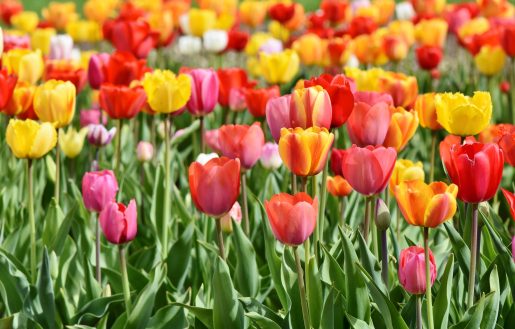 Spring officially marks the shift from winter’s stillness to warmth, movement and growth. Across the United States, especially in Texas, spring brings longer days, warmer temperatures and wildflowers like bluebonnets. At the same time, spring weather is dynamic and unpredictable, often including thunderstorms, hail and occasional tornadoes as warm and cold air masses collide. These shifts can affect allergies, mood, digestion and immunity, making spring an ideal time to adjust lifestyle and nutrition for better health.
Traditional Chinese Medicine (TCM) emphasizes living in harmony with seasonal rhythms. Spring represents renewal, upward movement, and preparation for the year’s growing energy.
Traditional Chinese Medicine’s view of spring health
According to the Huang Di Nei Jing Su Wen, spring’s three months are the season of “birth and growth.” TCM holds that both spring and the liver belong to the wood element; thus, spring Qi is linked with the liver. In spring, the liver is most active, and liver Qi is vigorous and rising. Maintaining vigorous liver function helps one adapt to nature’s vibrant changes. In short, nourishing the liver is vital for spring health.
To support health during spring:
- Go to bed slightly later and rise earlier as daylight increases.
- Take relaxed walks outdoors to encourage Qi circulation.
- Wear loose clothing to allow energy to expand naturally.
- Practice gentle stretching to support tendons and flexibility.
- Maintain a calm and open emotional state.
Emotional balance
Spring energy moves upward and outward and emotional balance is especially important, as excessive stress, frustration or anger can disrupt liver Qi and affect digestion, sleep and immunity. Cultivating patience, optimism and creativity supports both physical and emotional well-being. TCM believes that the liver governs the free flow of Qi and dislikes stagnation, and that anger injures the liver. An ancient saying goes, “All diseases originate from Qi.” Some people are irritable and easily angered, which, over time, can affect the liver’s normal physiological function. Conversely, abnormal liver function can also affect emotions. Therefore, nourishing the liver in spring is crucial, and regulating emotions is a vital part of liver health. We can release pent-up emotions through talking, exercise and other means, relieving negative feelings as much as possible. Maintaining a cheerful mood helps the liver Qi to flow smoothly, allowing the body’s Qi and blood to harmonize and the liver Qi to flow freely.
Core principles of TCM nutrition
TCM sees food as essential preventive medicine. Rather than focusing only on nutrients, TCM evaluates foods for their energetic nature, flavor, seasonal suitability and organ associations. The classical text, Qianjin Yaofang, recommends that during spring, one should “reduce sour and increase sweet” foods. These terms refer to both taste and energetic function. Sour foods are astringent and strengthen liver activity; sweet foods nourish the spleen and replenish Qi. As liver Qi becomes more active in spring and may disrupt digestion, supporting the spleen and stomach is especially important.
Helpful spring foods include yams, lentils, rice, millet, barley, wheat, dates, honey, lean meats, fish and fresh green vegetables such as spinach, celery, lettuce and sprouts. These foods help regulate liver Qi while strengthening digestion and energy production.
Homology of food and medicine
A key concept in TCM nutrition is that food and herbal medicine share the same therapeutic origin. Many everyday foods gently regulate organ systems when eaten regularly. For example:
- Ginger supports digestion and circulation.
- Goji berries nourish the liver and blood and support vision.
- Chinese yam (Shan Yao) strengthens the spleen and stomach while tonifying lung and kidney energy.
These foods help build resilience during seasonal transitions.
The Four Natures and Five Flavors
Foods influence the body through energetic properties: cold, cool, warm or hot. In spring, neutral and mildly warming foods are best as they support digestive function and circulation. A few plant foods that are considered neutral are licorice and poria.
Each of the five flavors also relates to specific organs:
- Sour supports the liver.
- Bitter supports the heart.
- Sweet strengthens the spleen.
- Pungent supports the lung.
- Salty nourishes the kidneys.
Because liver energy rises in spring, moderation of sour foods and emphasis on gentle sweet foods help maintain digestive balance.
Supporting the spleen and stomach
TCM describes the digestive system as the “postnatal foundation” for Qi and blood. Strong digestion supports immunity, energy and emotional stability. In early spring, limit excessive raw, greasy or spicy foods to protect digestion. Lightly cooked vegetables, soups, grains and simple porridges are especially beneficial.
Individualized seasonal nutrition
TCM nutrition is personalized according to body constitution. Individuals with digestive weakness benefit from warm, cooked foods, while those with internal heat benefit from lighter, cooling foods. This flexibility allows seasonal dietary adjustments to support each person’s unique health needs.
Practical spring lifestyle recommendations
Spring is an ideal time to:
- Spend more time outdoors.
- Practice gentle stretching and walking.
- Eat lighter seasonal meals.
- Support digestion with warm cooked foods.
- Maintain emotional openness and flexibility.
Aligning daily routines with spring’s natural energy strengthens resilience and prepares the body for the warmer months ahead and builds a strong foundation for health year-round.
By Bin (Brenda) Su, senior staff scientist in the Department of Molecular Virology and Microbiology