Out of sync, out of health: Social jet-lag linked to liver cancer in mice
Our bodies are in sync with the planet’s day-and-night cycle thanks to an internal timekeeper, the circadian clock that regulates practically all the functions of
Read More
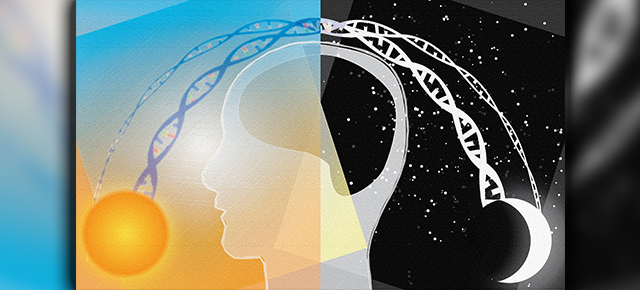
Our bodies are in sync with the planet’s day-and-night cycle thanks to an internal timekeeper, the circadian clock that regulates practically all the functions of
Read More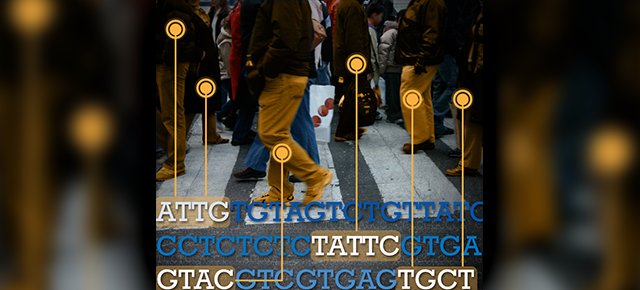
It used to be that identifying genes involved in a particular disease was like finding a needle in a haystack. Nowadays, scientists still have to
Read More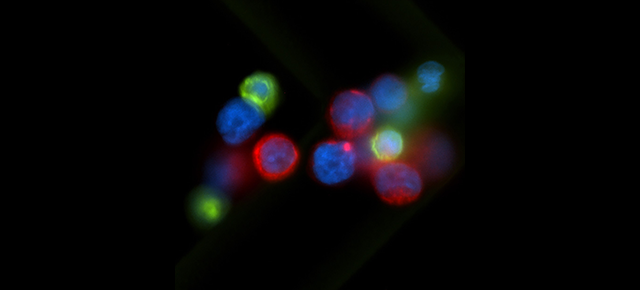
A tumor behaves like a community in which cancerous and normal cells interact with each other. In some cases, these interactions result in tumor growth,
Read More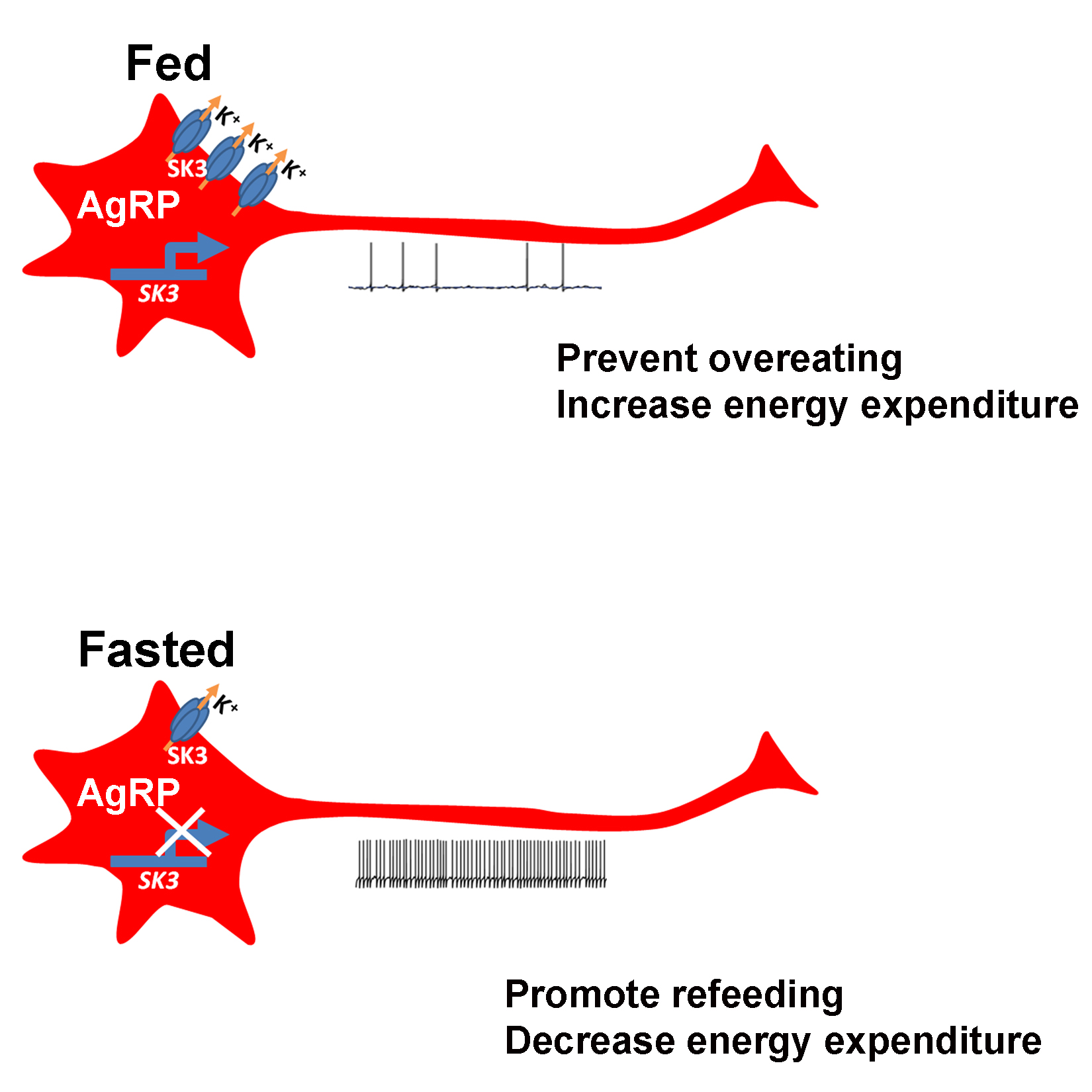
When we are hungry, we eat; when we are full, we stop. Most of the time. Breaking this rule, however, can lead to overeating, obesity
Read More
Born too soon, she weighed just over 1 pound at birth and spent the first three months of her life in the neonatal intensive care
Read More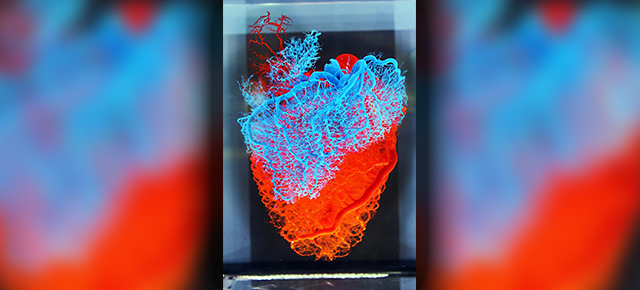
In the month of February, From the Labs celebrates the human heart. At Baylor College of Medicine, researchers are carrying out pioneering basic cardiovascular research that
Read More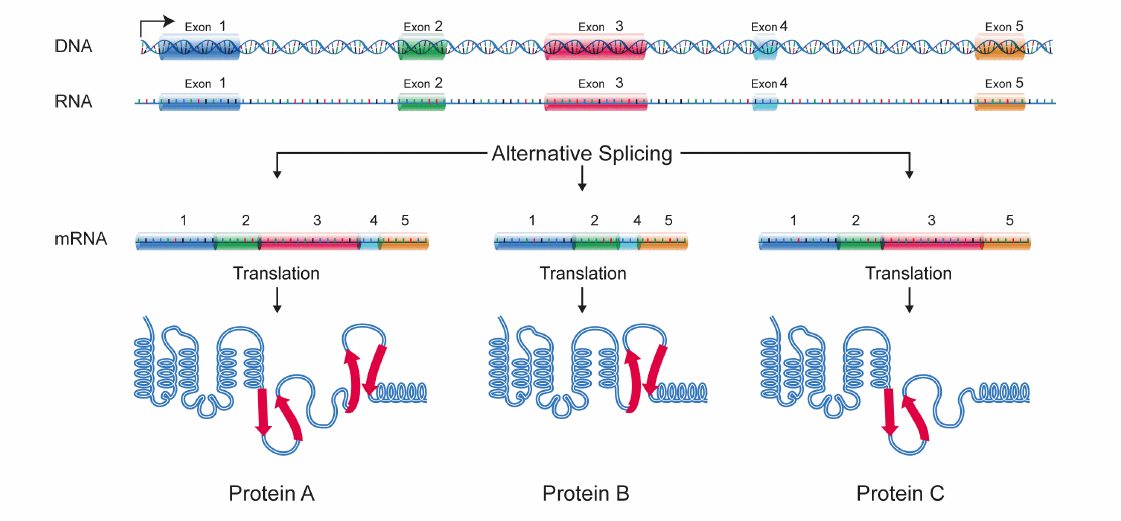
Growing up is a complex affair, even for muscles. In the mouse, for instance, newborn muscles grow into adult muscles within the first three weeks
Read More
The scientific community may be overlooking a significant barrier to international collaboration reflected in a series of recent surveys: potential public resistance to sharing of
Read More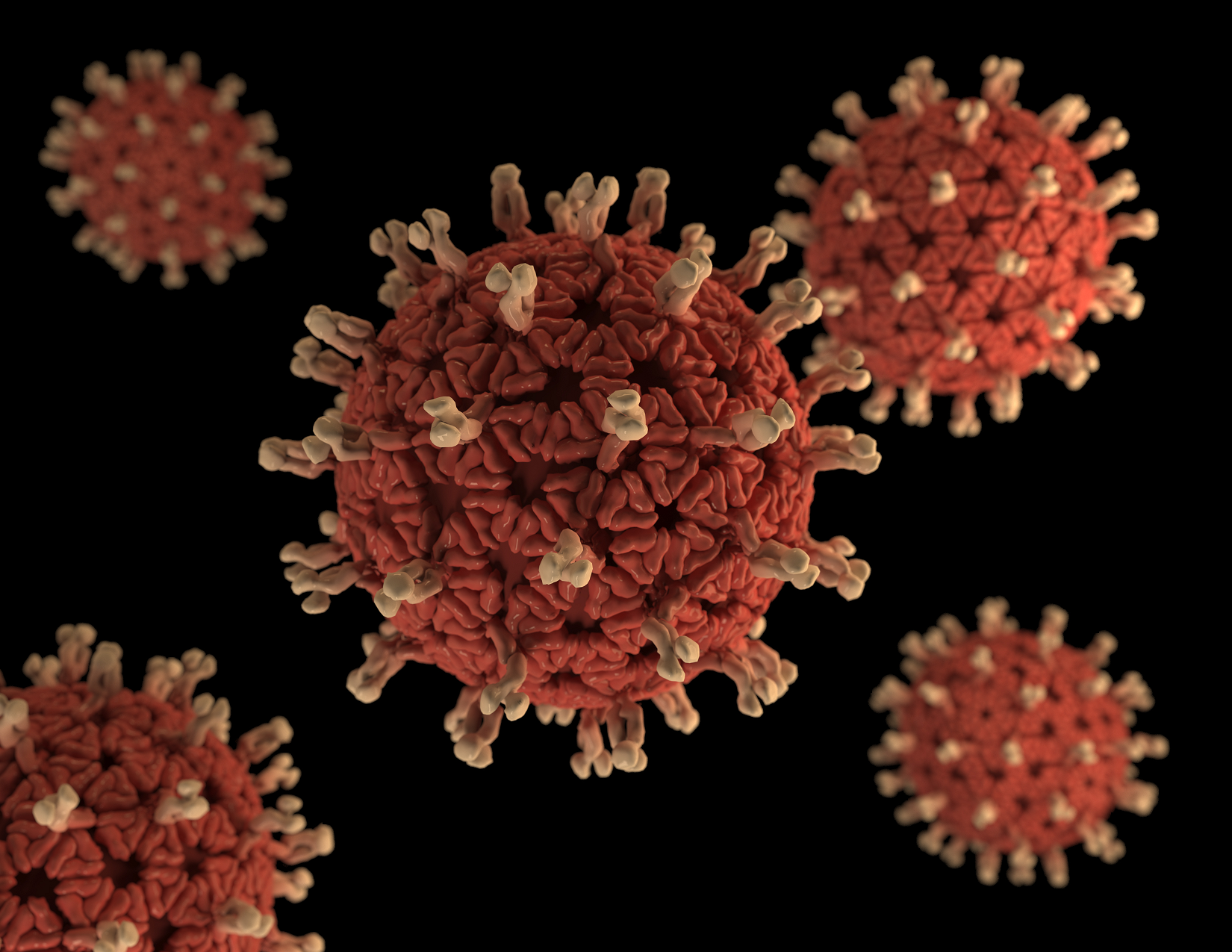
The gut of a child infected with rotavirus is like a battleground. On one side, the virus invades the epithelial cells that form the lining
Read More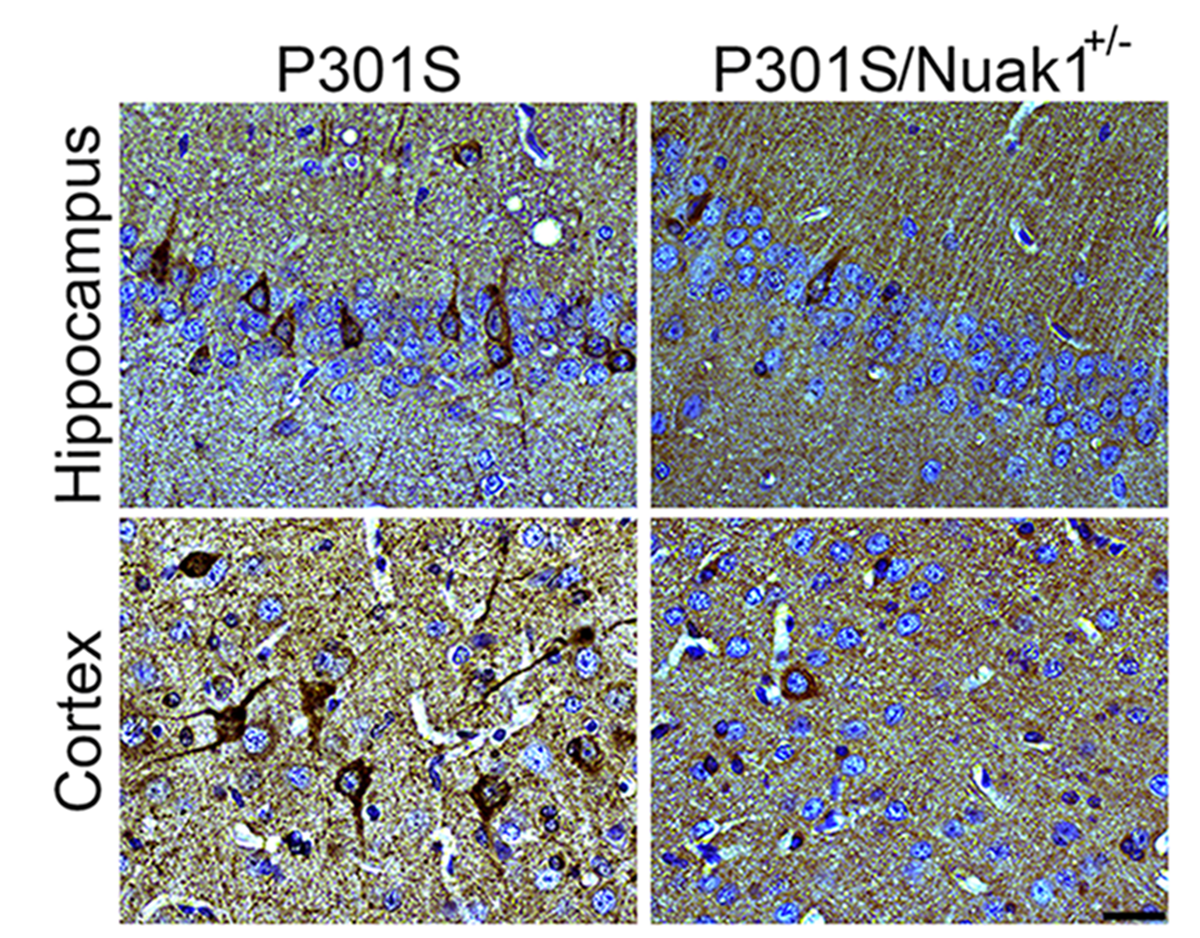
Taking a pill that prevents the accumulation of toxic molecules in the brain might someday help prevent or delay Alzheimer’s disease, according to scientists at
Read More