Why local ancestry matters
When we study human genetics, we rely heavily on reference databases to interpret DNA, guide diagnoses and inform medical research. But one of the first
Read More

When we study human genetics, we rely heavily on reference databases to interpret DNA, guide diagnoses and inform medical research. But one of the first
Read More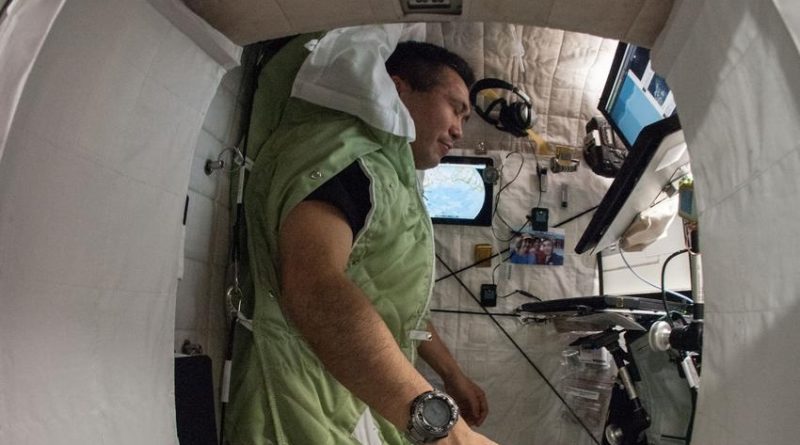
Researchers at Baylor College of Medicine’s Translational Research Institute for Space Health explore the human genetic variations that determine 24-hour rhythmic gene expression and disease risk.
Read More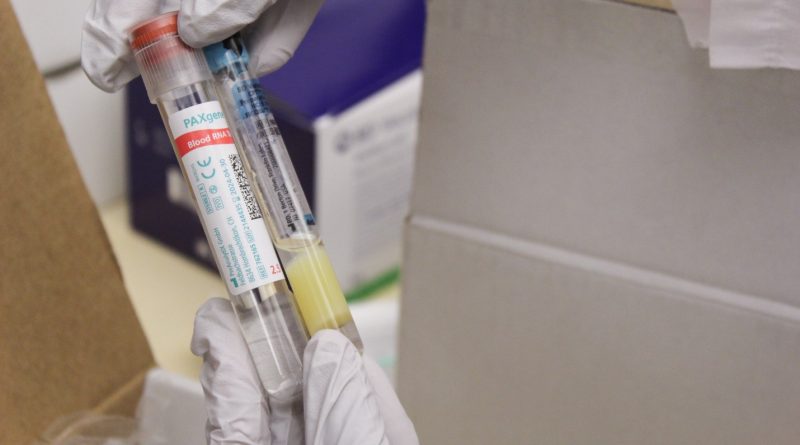
The GENESTAR manual establishes guidelines for collecting omics data in a spaceflight context, outlining TRISH’s Space Omics program.
Read More
How Texas Children’s Hospital and Baylor are using exome sequencing to level the playing field for patients with undiagnosed rare diseases.
Read More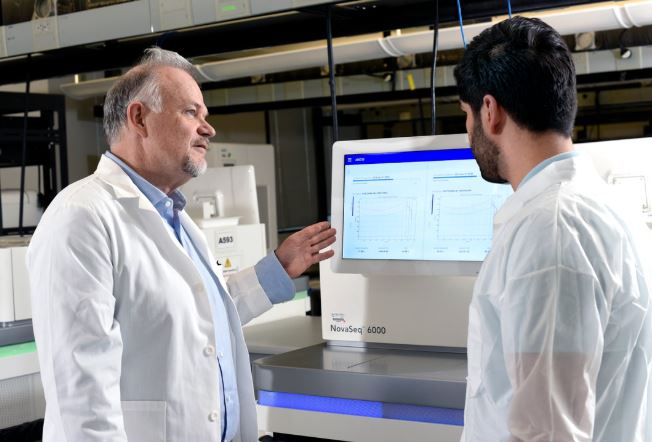
When we think about genetic research and its role in precision medicine, one of its most compelling promises lies in its universality. The promise is
Read More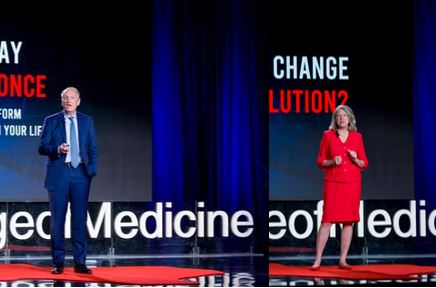
Our world is changing at an alarmingly rapid pace and each of us are changing as well. Two recent talks as part of Baylor College
Read More
How willing are you to reboot the way you have always done things? Our society is currently experiencing a reboot – challenging basic assumptions about
Read More
Exploring why genetic surveillance is not science fiction, but rather a reality of the modern era.
Read More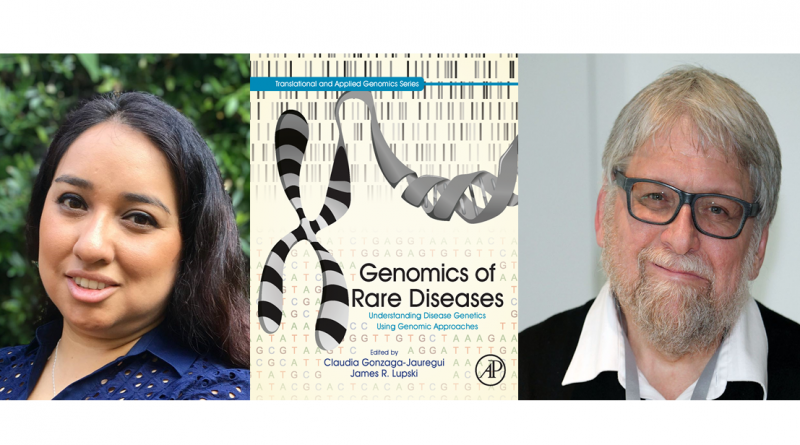
“Genomics of Rare Diseases” offers readers a broad understanding of current knowledge on rare diseases from a genomics perspective.
Read More
A novel computational approach helps researchers identify connections between genes involved in different neurodevelopmental disorders.
Read More