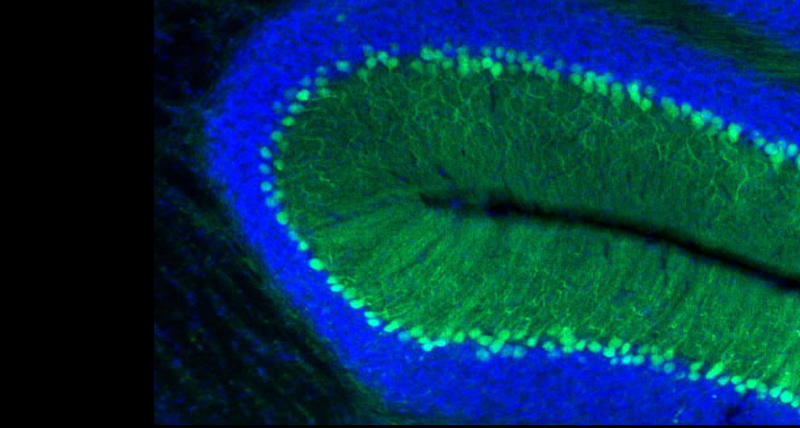
Regulating gene regulatory regions offers a novel mechanism to control ATXN1 levels
Researchers identified a novel mechanism that regulates ATXN1 levels and reduces SCA1 symptoms in animal model.
Read More
Stay in the know about the scientific research conducted at Baylor College of Medicine with From the Labs, the spotlight for the newest and most interesting research findings from the bench at the College.
Researchers identified a novel mechanism that regulates ATXN1 levels and reduces SCA1 symptoms in animal model.
Read More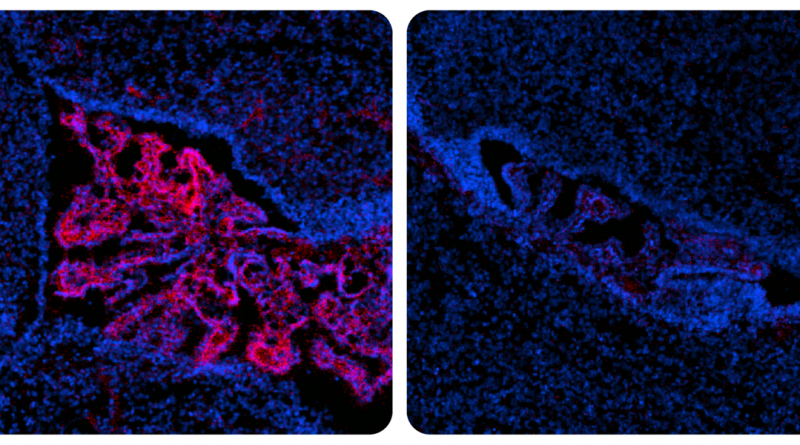
Researchers discovered a new way cells can dispose of misfolded proteins that may help better understand human NGLY1 deficiency.
Read More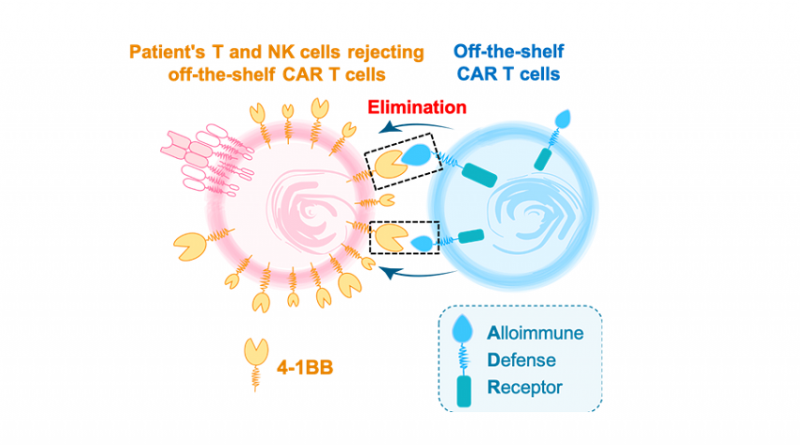
Baylor College of Medicine researchers extend the life and effectiveness of off-the-shelf, cancer-fighting immune T cells.
Read More
Scientists at Baylor College of Medicine have devised a chemical approach for discovering compounds that could be developed into new drugs.
Read MoreReduced levels of protein kinase SPEG lead to hyperactive calcium channel RyR2 and an increased risk of atrial fibrillation.
Read More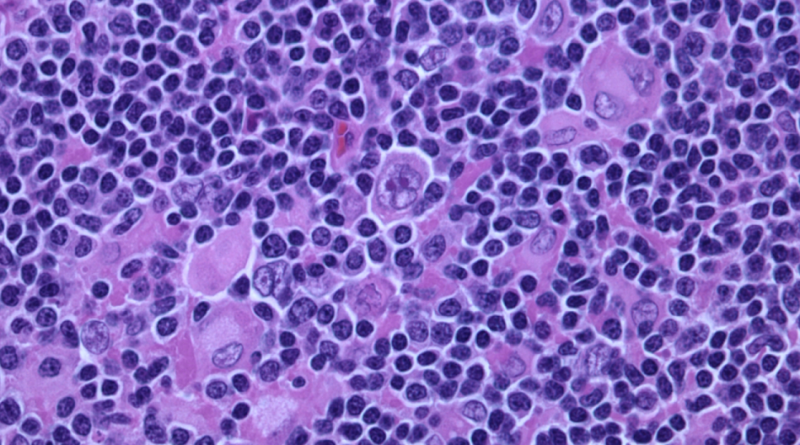
CAR-T cell therapy has been used to treat Hodgkin lymphoma with remarkable success for the first time in an early phase clinical trial.
Read More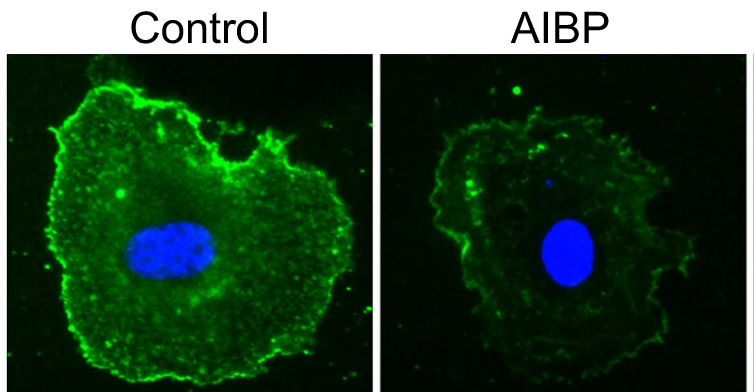
A novel strategy can potentially address a major challenge to the current treatment for CNV, the leading cause of irreversible blindness in the elderly.
Read More
Cancer cell clusters are more effective than single cells at spreading cancer in the body, and researchers at Baylor College of Medicine found out why.
Read More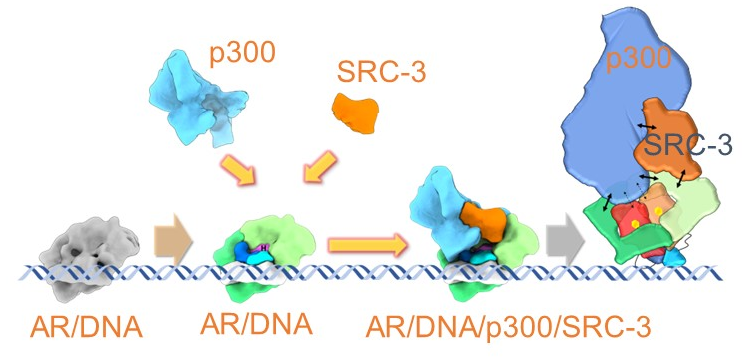
Detailed 3-D studies reveal how the androgen receptor is put together as a functional complex that drives prostate cancer.
Read More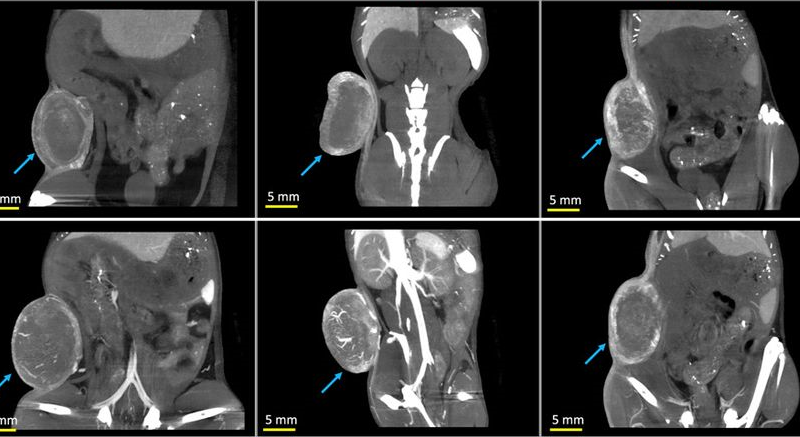
Nano-radiomics analysis of imaging data assesses changes in the tumor microenvironment that cannot be detected with conventional imaging methods.
Read More