Serendipity reveals an opportunity to improve the success of chemotherapy in triple negative breast cancer
Researchers identified a tumor protein signature that predicts chemotherapy sensitivity and favorable clinical outcomes.
Read More
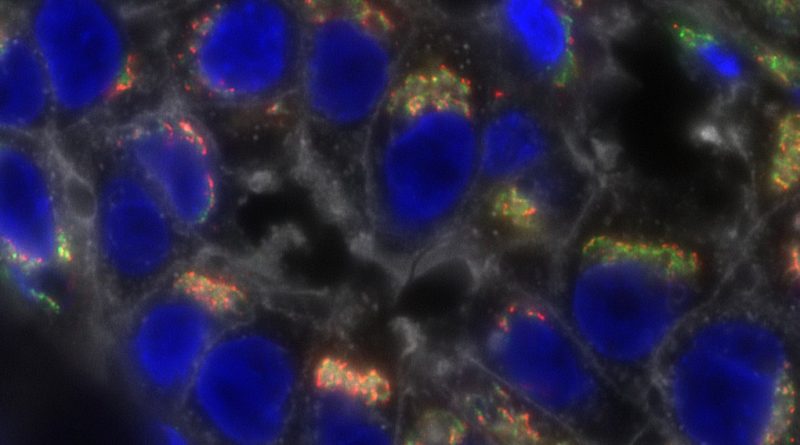
Researchers identified a tumor protein signature that predicts chemotherapy sensitivity and favorable clinical outcomes.
Read More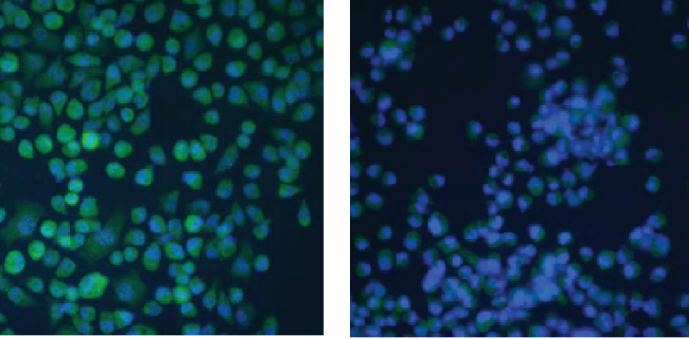
The findings help predict tumor response so that only effective treatments are given.
Read More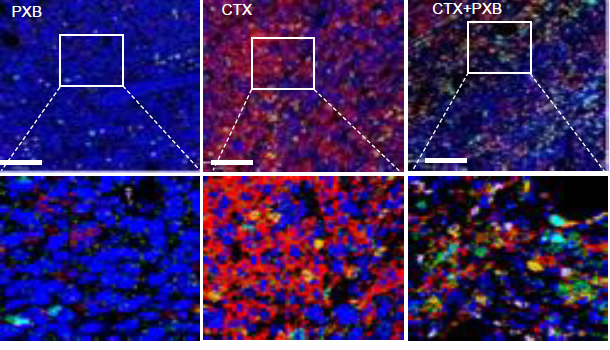
Researchers identified a combination therapy for triple-negative breast cancer that results in durable tumor regression in an animal model.
Read More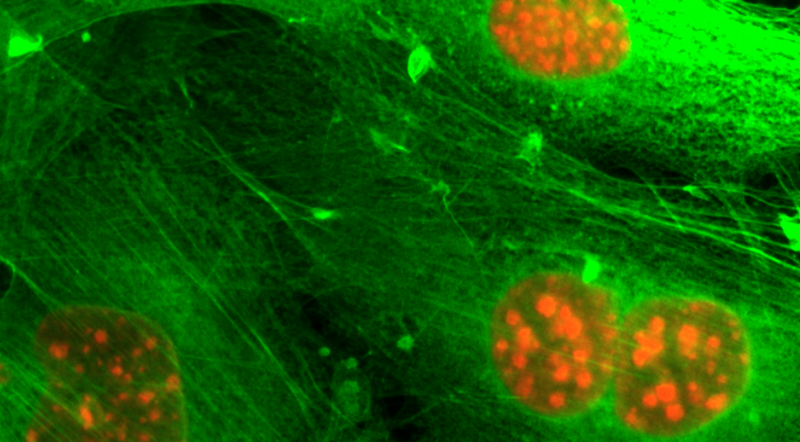
MAPK4 seems to be involved in promoting triple-negative breast cancer growth and its resistance to certain therapies.
Read More
Endogenous mis-spliced RNA in tumor cells mimics an RNA virus, leading tumor cells to self-destruct as if fighting an infection.
Read More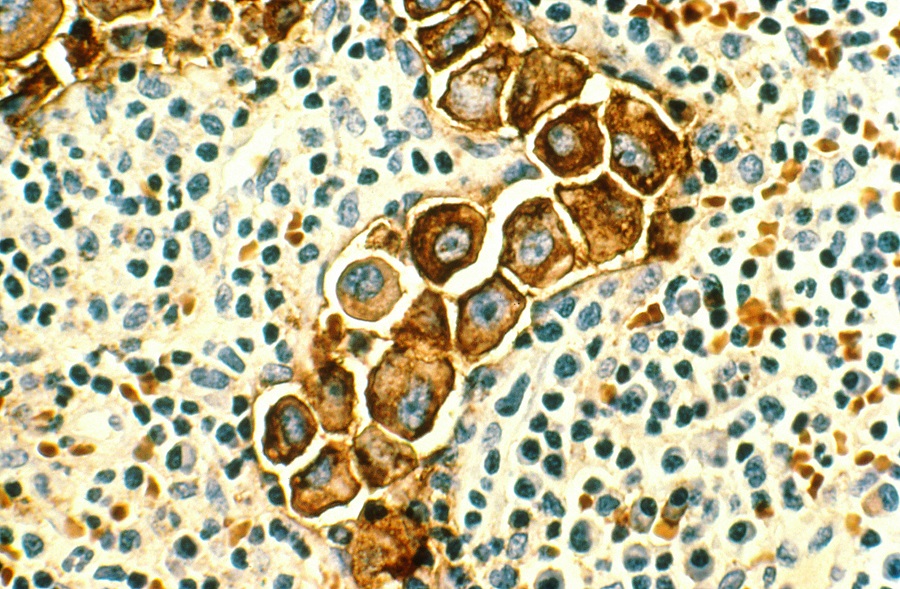
Unraveling the complexity of cancer biology can lead to the identification new molecules involved in breast cancer and prompt new avenues for drug development. And
Read More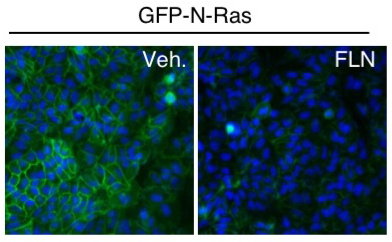
When it comes to finding new drugs to treat breast cancer, some scientists are taking an approach that could expedite the discovery of new treatments.
Read More
Stephanie D. Miller knew breast cancer ran in her family, and with her dense breast tissue, she was religious about getting her annual mammogram. She
Read More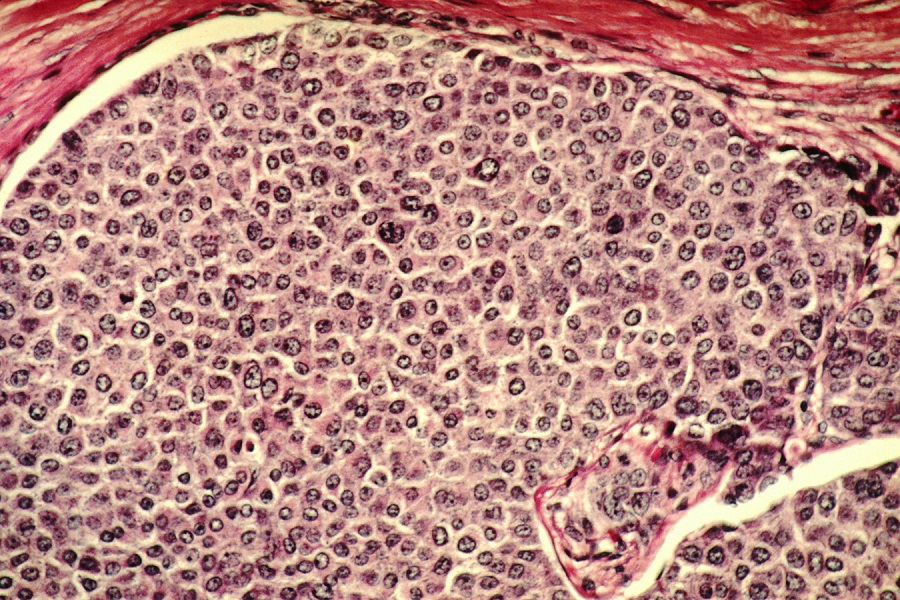
Scientists have been looking for receptors —molecules on cancer cells — that promote the growth of cancers. But the receptors driving some cancer types like
Read More
Breast cancer is a complex disease affecting thousands of Americans every year. However, some types of breast cancer are more aggressive than others, including triple
Read More