FROM THE LABS: A potential new approach for treating Rett syndrome
This work lays the foundation and provides preclinical evidence for a therapeutic approach for Rett syndrome that increases MeCP2 and confers functional improvement.
Read More

This work lays the foundation and provides preclinical evidence for a therapeutic approach for Rett syndrome that increases MeCP2 and confers functional improvement.
Read More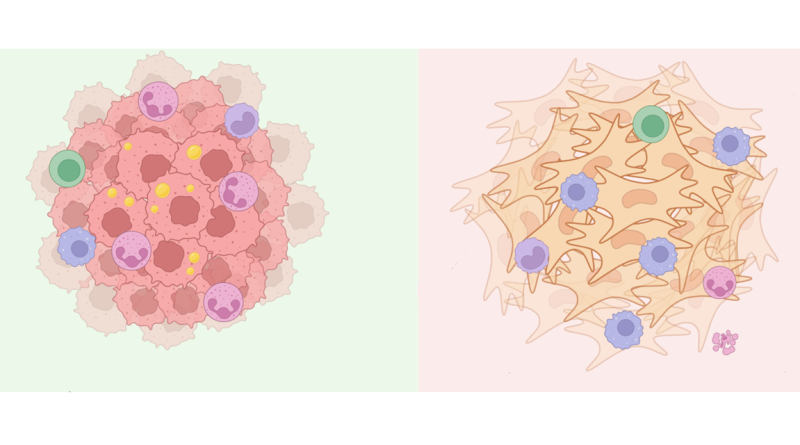
The findings point out a potential new approach to treatment in which physicians could take actions to prevent resistance, increasing the chances of patient survival.
Read More
When people think about research, they often picture scientists in white coats, pipette in hand, working in labs and often far removed from the communities
Read More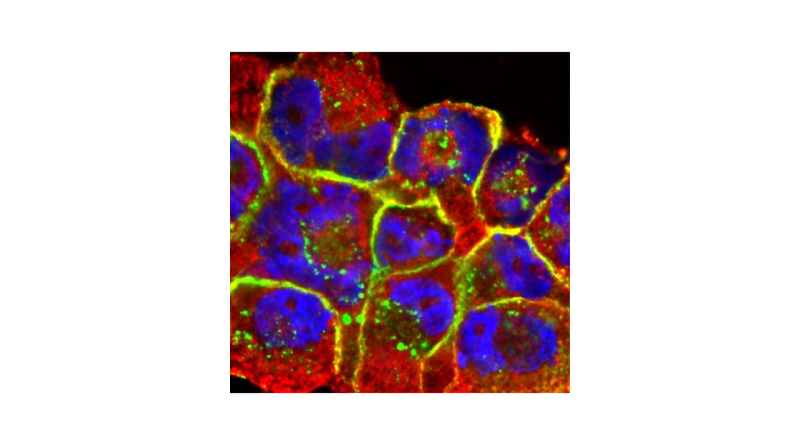
The Image this month shows a mechanism that mediates the formation of breast cancer cell clusters and promotes cancer metastasis.
Read More
This cross-species approach reveals that some paths seem to aggravate the disease while others may protect against it.
Read More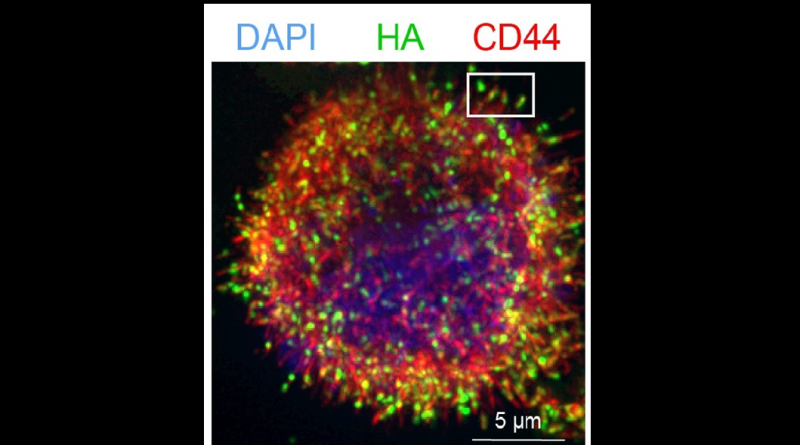
These finding highlight new possibilities for developing clinical interventions to treat metastatic TNBC patients for whom there are no specific therapies.
Read More
The findings reveal promising biological pathways that could be explored in future therapies.
Read More
The findings have provided answers to families that until now had no diagnosis for their child’s condition.
Read More
Growing and maintaining norovirus strains in the lab allows researchers to advance studies of viral structure, antiviral drug screening and vaccine development.
Read More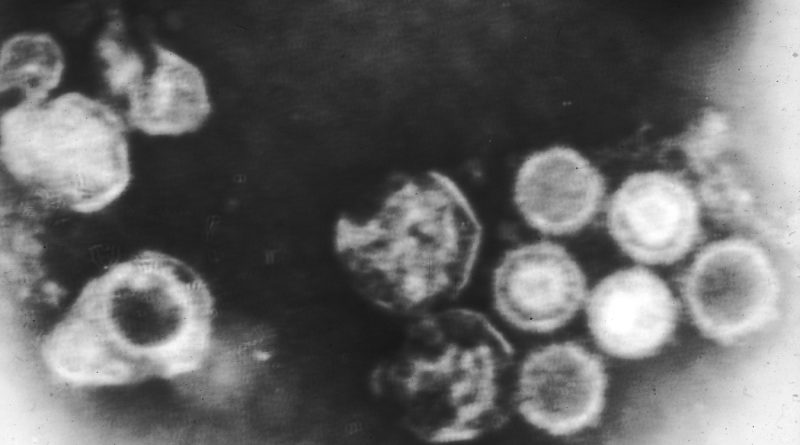
Differences in these genes help explain why Epstein-Barr Virus can have lasting health effects in some people but not others.
Read More