Image of the Month: Repairing rotavirus-damaged intestinal cells
When rotavirus infects and damages intestinal cells, the small intestine fails to absorb nutrients and diarrhea develops. Rotaviruses and noroviruses are the major cause of
Read More
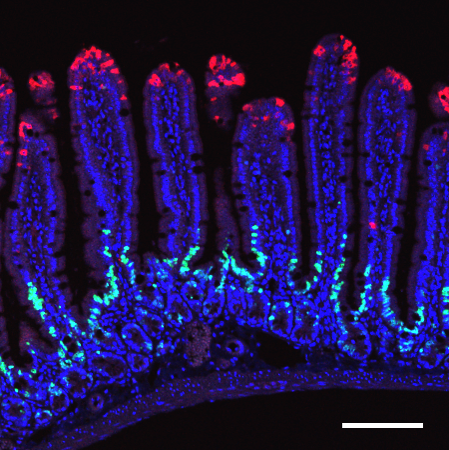
When rotavirus infects and damages intestinal cells, the small intestine fails to absorb nutrients and diarrhea develops. Rotaviruses and noroviruses are the major cause of
Read More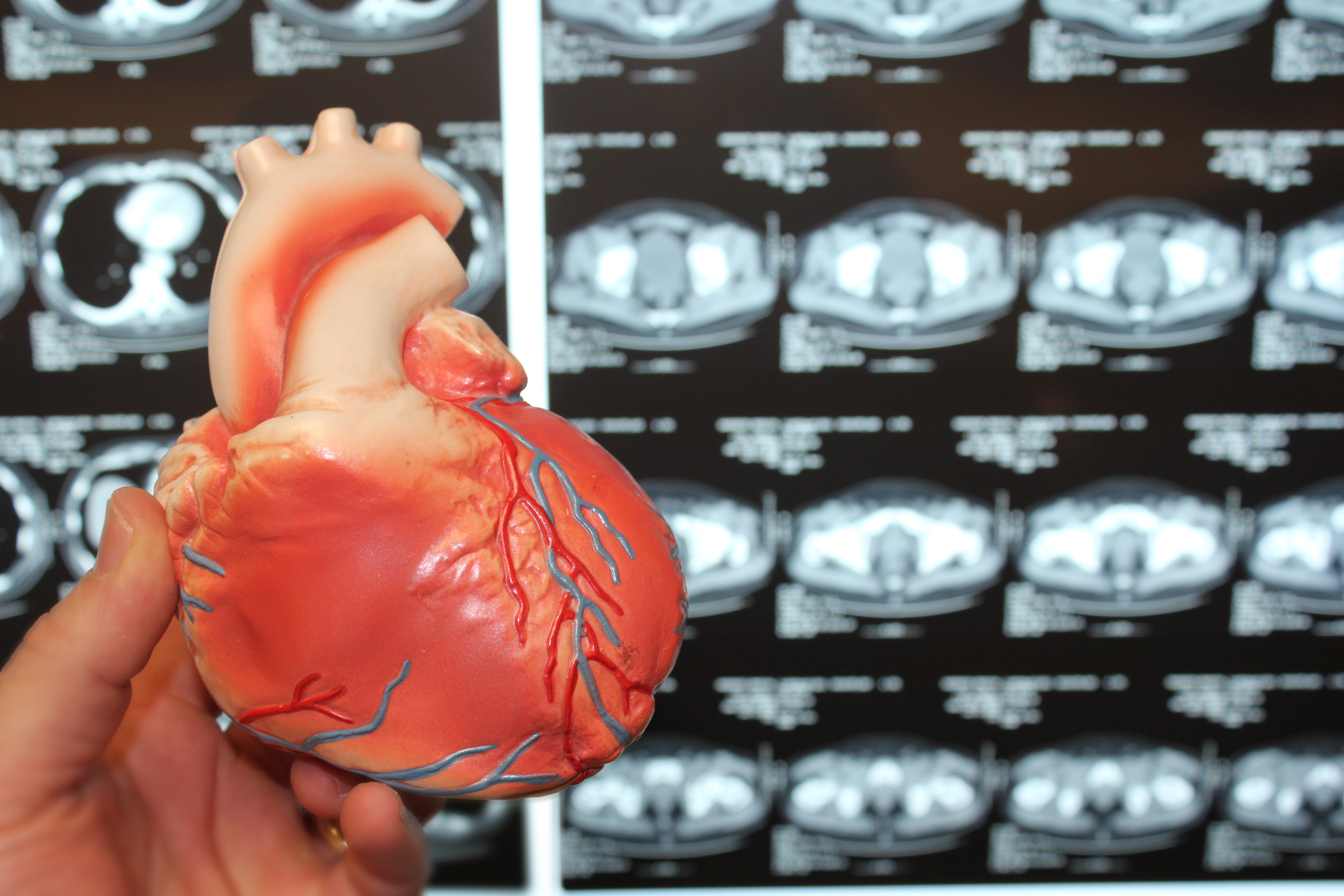
From the Labs joins the celebration of Heart Month by presenting posts related to groundbreaking basic research on human heart regeneration: Tapping on the healing
Read More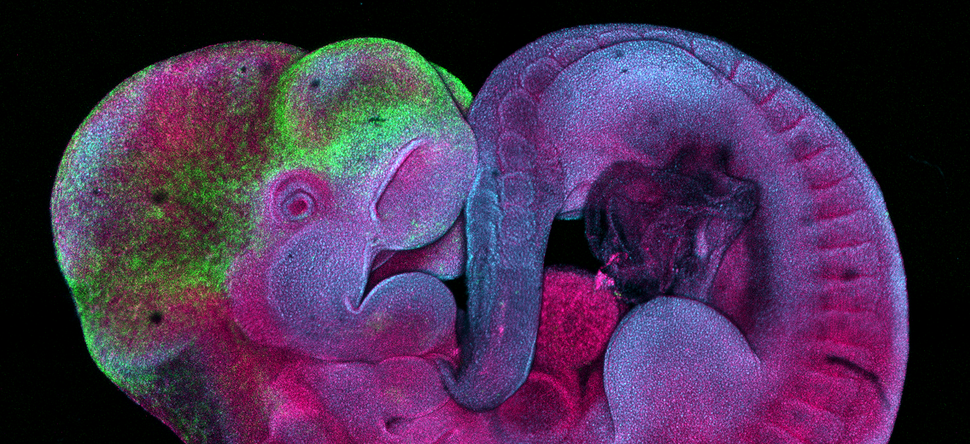
The Optical Imaging and Vital Microscopy Core Facility at Baylor College opens a window into the microscopic world through a number of methods, state-of-the-art instrumentation
Read More
Each month, From the Labs posts an image representative of research conducted at Baylor College of Medicine. These three are the most viewed images of
Read More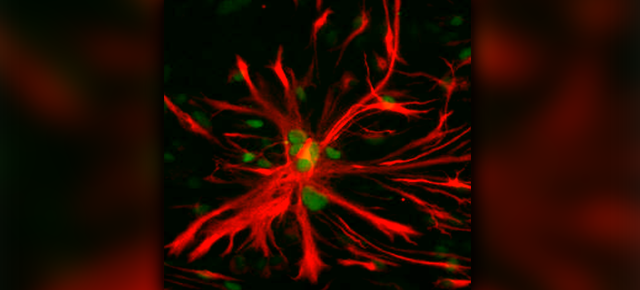
The brain has billions of cells of which only 30 percent are neurons. Astrocytes are the predominant cell type of the remaining 70 percent. Surprisingly,
Read More
NK or natural killer cells are members of the immune system critical for the control of viral infections and cancer. Research at the Emily
Read More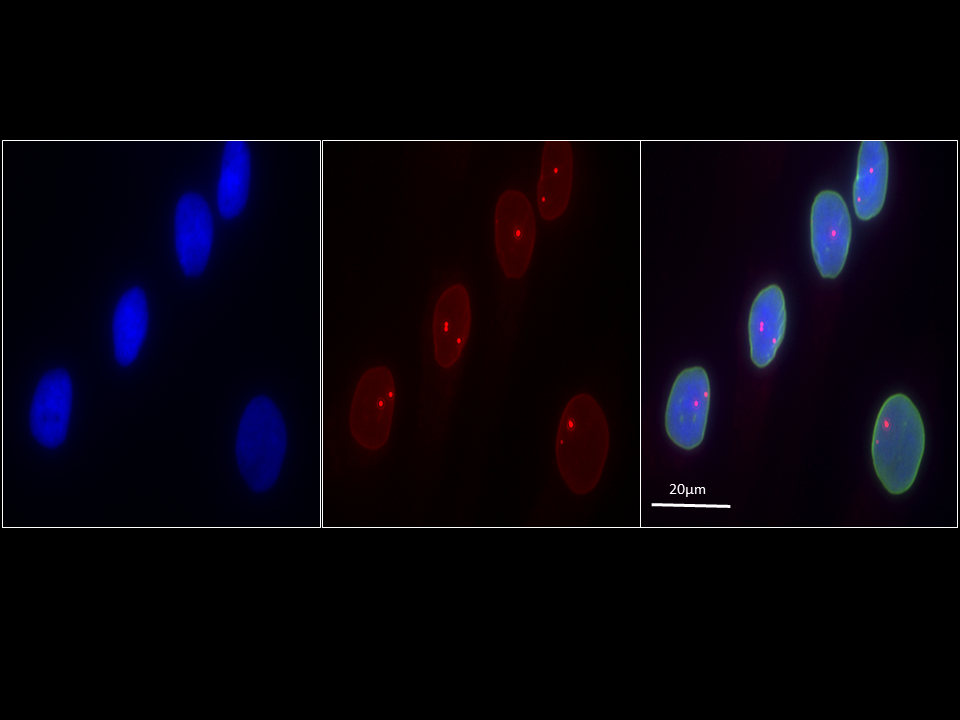
Myotonic dystrophy, type 1 (DM1) is the second most common cause of muscular dystrophy and numerous other muscle disorders that affect tens of thousands of
Read More
Among other studies, the lab of Dr. Chonghiu Cheng is pioneering research projects to better undertsand the role alternative splicing plays in cancer. “We have been
Read More
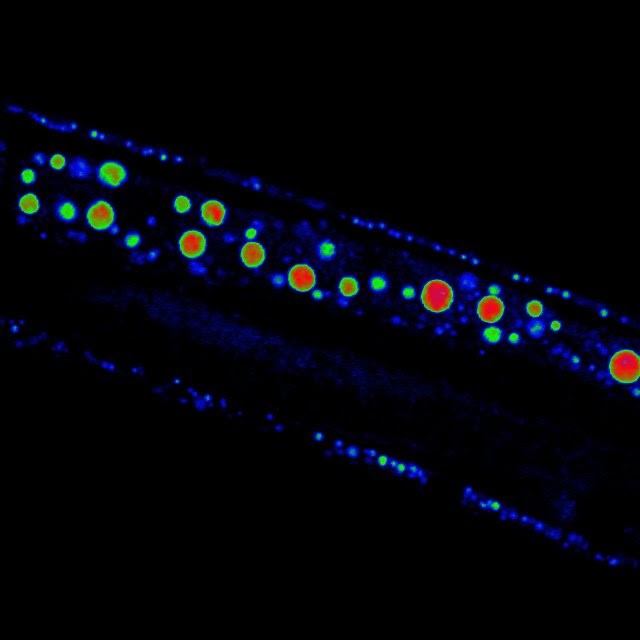
Meet Caenorhabditis elegans, a 1-millimeter-long, transparent, free-living roundworm that is the center of attention of many research laboratories around the world, including Dr. Meng Wang‘s
Read More