A closer look at brain tissue vulnerability in neurological disease
New evidence explains differences in brain tissue vulnerability using animal models of human spinocerebellar ataxia type 1.
Read More
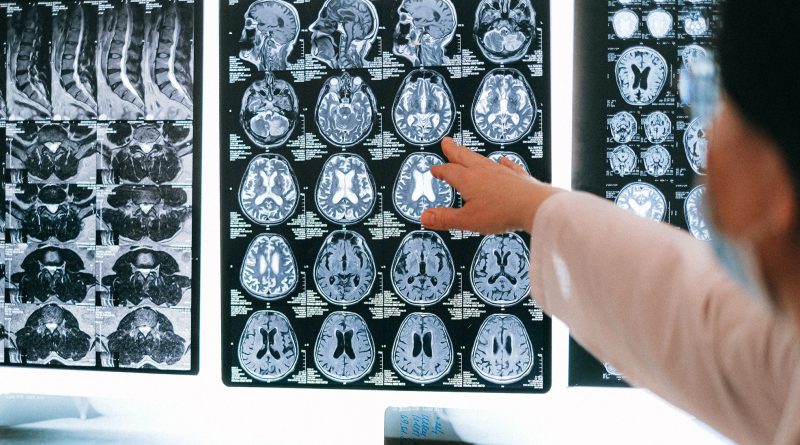
New evidence explains differences in brain tissue vulnerability using animal models of human spinocerebellar ataxia type 1.
Read More
These biosensors make previously undetectable signals visible, opening new possibilities for studying how neural circuits process information.
Read More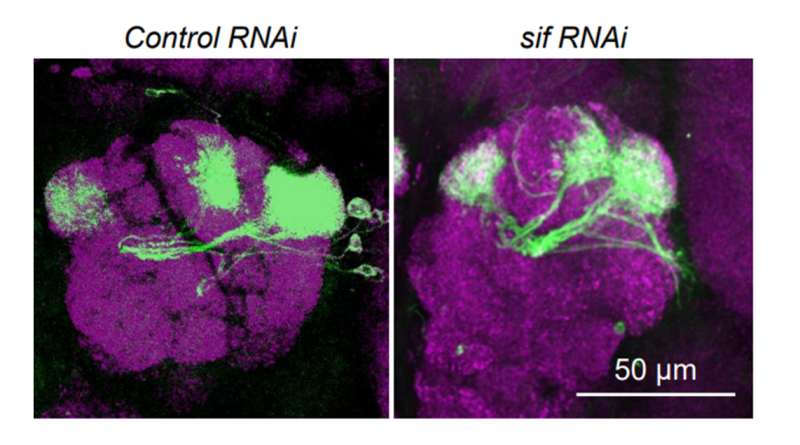
The findings also provide a new approach to improve the diagnosis of epilepsy, for which a genetic cause cannot be found in about 50 % of individuals with the condition.
Read More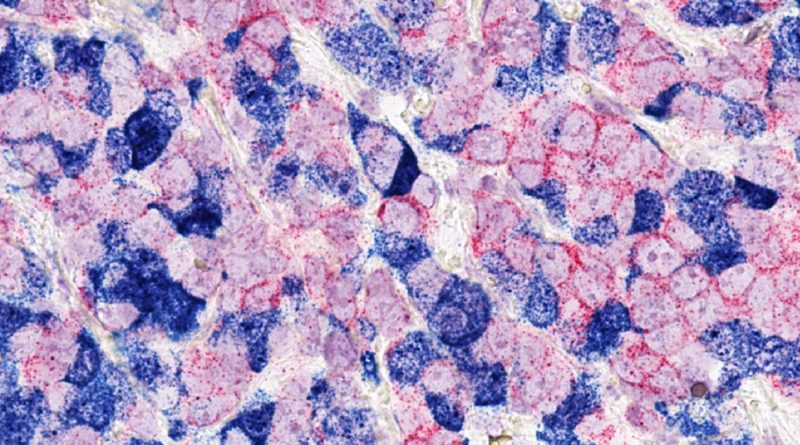
The team identified underlying molecular mechanisms of platinum resistance that they neutralized with combinations of available drugs to reduce tumor growth in animal models.
Read More
The award supports research on the molecular and cellular mechanisms involved with rare genetic disorders that affect immune defense.
Read More
The Translational Research Institute for Space Health is seeking proposals to address venous thromboembolism, a critical risk to human health during spaceflight.
Read More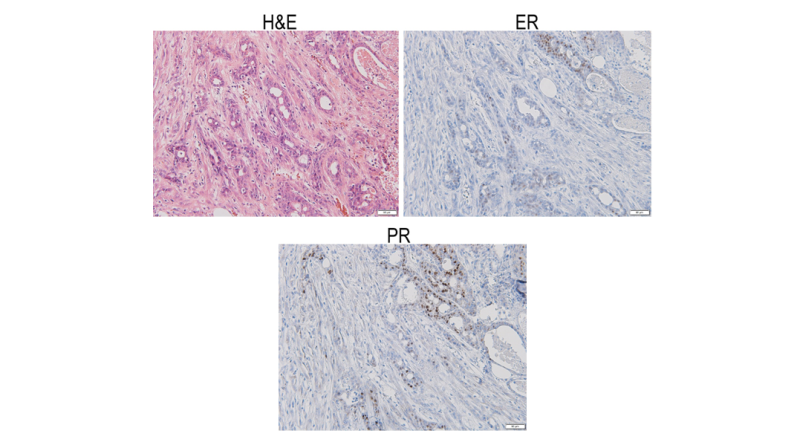
This method is easily adaptable to other organs and can be used by researchers to develop their own cancer models.
Read More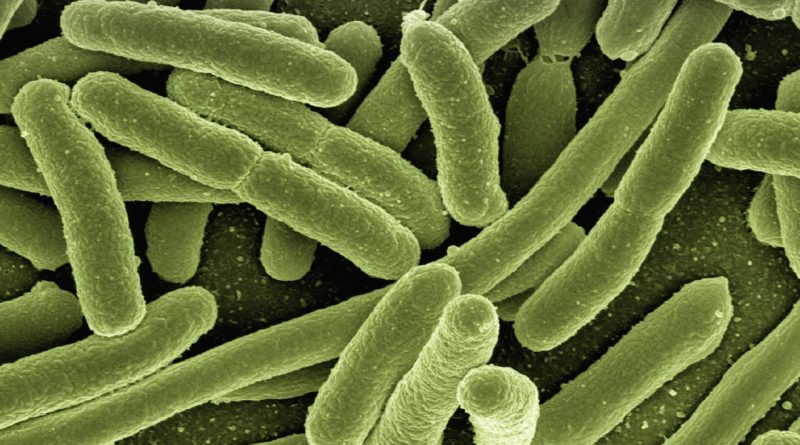
The findings help explain why some bacteria are hard to eliminate and suggest potential future approaches to improve antibiotic effectiveness.
Read More
The findings may help explain how people can effortlessly translate thoughts between languages without confusing them.
Read More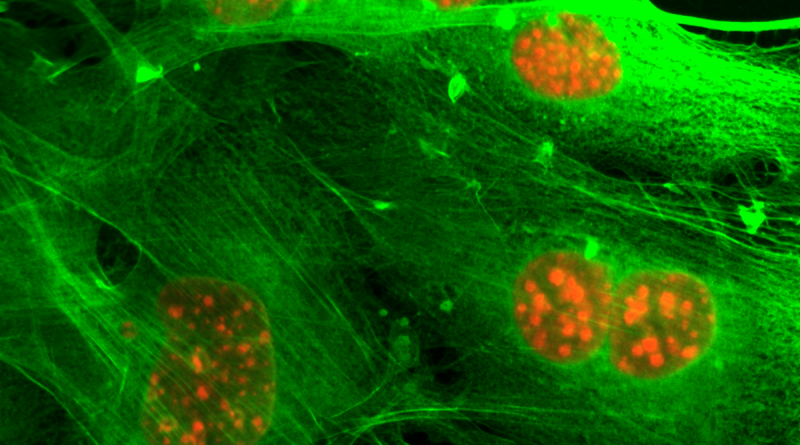
The researchers found that the interaction between neutrophils and epithelial-like cancer cells helps both types of cells survive.
Read More