FROM THE LABS: Scientists discover how the brain represents meaning across different languages
The findings may help explain how people can effortlessly translate thoughts between languages without confusing them.
Read More
The findings may help explain how people can effortlessly translate thoughts between languages without confusing them.
Read More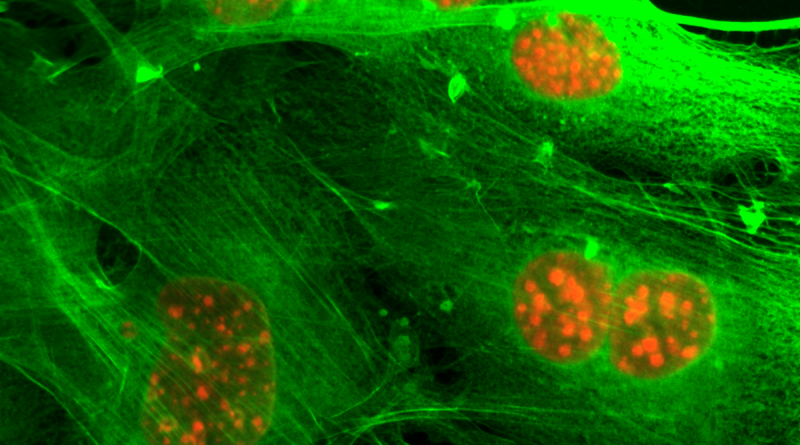
The researchers found that the interaction between neutrophils and epithelial-like cancer cells helps both types of cells survive.
Read More
Joining the ARIA IMPACT Network will allow Baylor and Texas Children’s to accelerate our breakthrough work to bring effective therapies to people with autism and related neurodevelopmental disorders.
Read More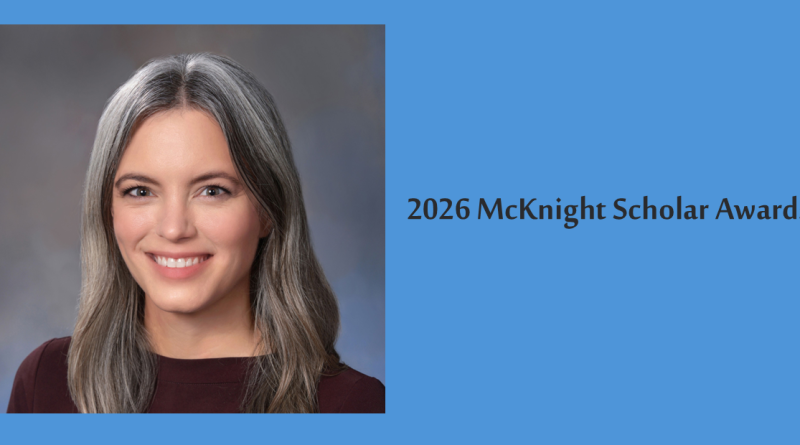
This award will support Marshall’s work investigating the role the body’s nervous system plays in emotion states and behavior.
Read More
The team uncovered a significant association between HIV signals in wastewater and diagnosed HIV in communities.
Read More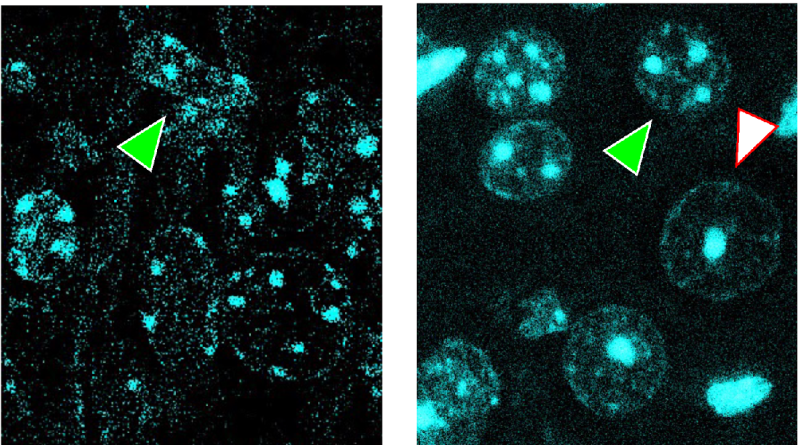
The findings reveal a connection between diet, gene regulation and cancer growth that opens new possibilities for treating one of the most aggressive brain tumors.
Read More
Understanding early and cell-specific changes in Rett syndrome provides markers to monitor efficacy of interventions and entry points to understand the brain circuits driving the condition.
Read More
The authors propose that HDAC inhibitors may also interfere with other proteins and that targeting such proteins may suppress cancer.
Read More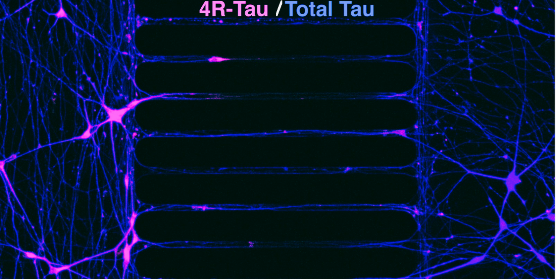
This laboratory platform is a powerful way to study Alzheimer’s disease and other tau-caused conditions.
Read More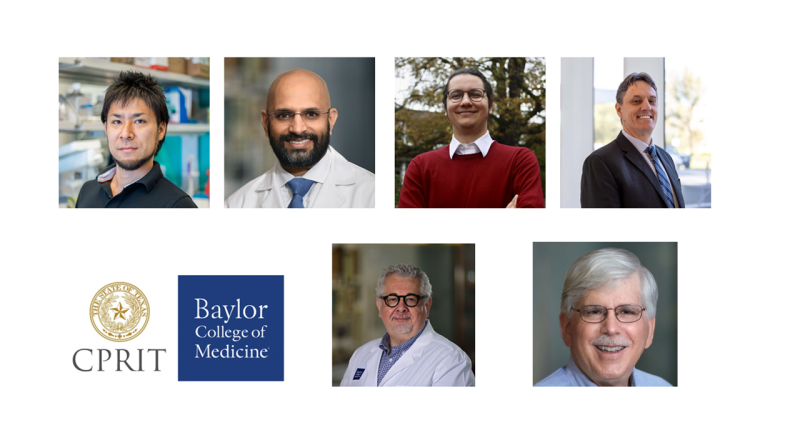
The CPRIT awards will support innovative cancer research, treatments and training programs.
Read More