Intestinal stem cells have a hard time ‘forgetting’ an encounter with inflammation
Inflammation in the gut leaves long-term marks on intestinal stem cells that affect their response to future challenges.
Read More

Inflammation in the gut leaves long-term marks on intestinal stem cells that affect their response to future challenges.
Read More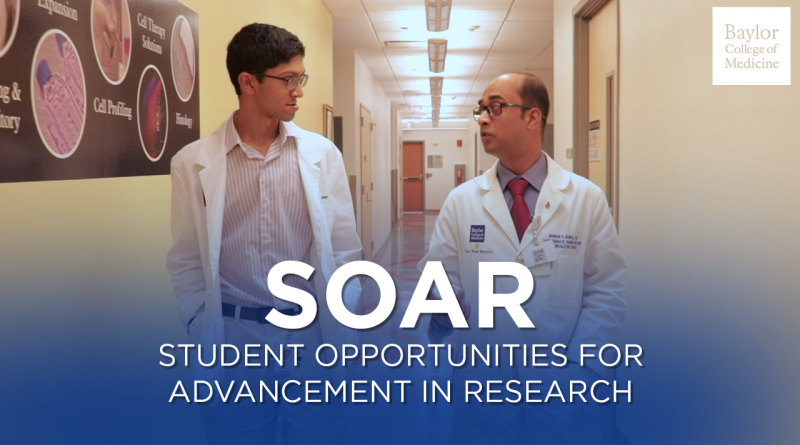
A medical student and his mentor share how the SOAR program brought them together to conduct basic science research and how the experience is shaping their careers.
Read More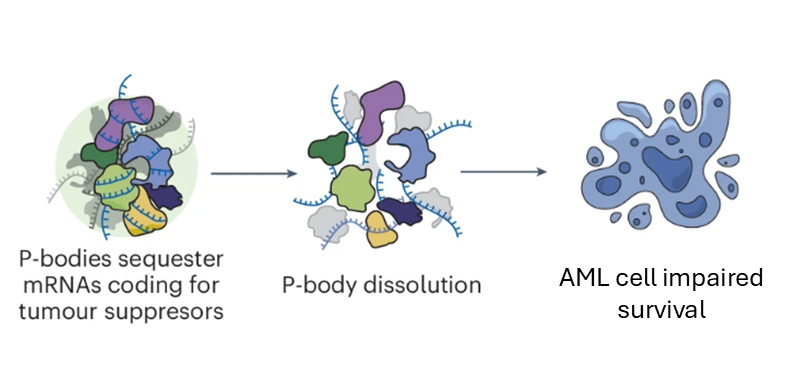
The findings suggest that P-bodies might be an Achilles’ heel of acute myeloid leukemia, opening new avenues for developing anticancer agents to treat this condition.
Read More
Penk neurons in the brain support an ideal, balanced feeding pattern in unexpected ways.
Read More
This signal could improve diagnosis and monitoring of symptoms of severe depression and other anhedonia-related psychiatric conditions.
Read More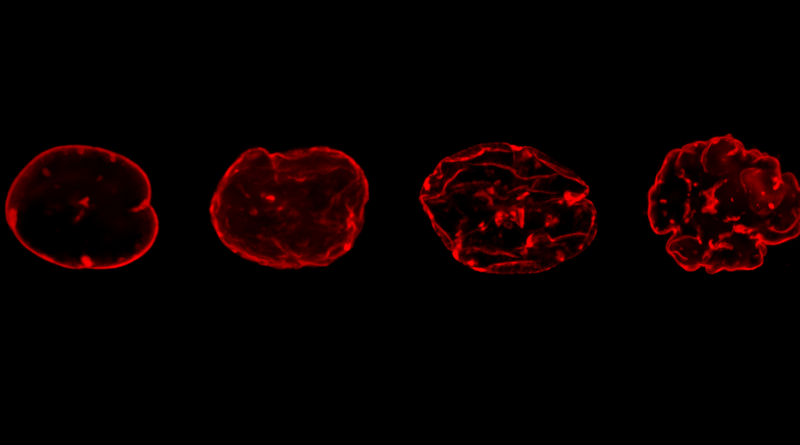
Overexpression of lamin A (red) causes structural changes to the cell nucleus that are associated with aging.
Read More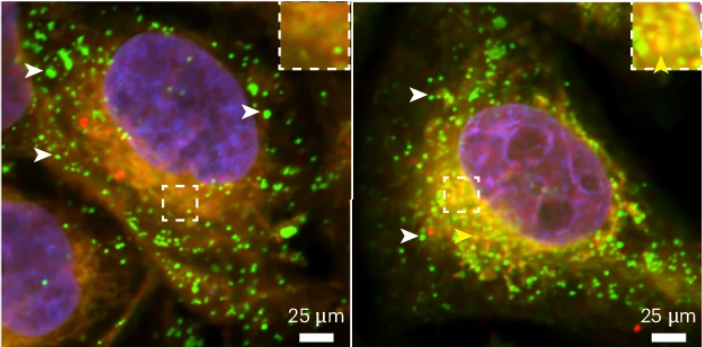
This study opens the door to potential new strategies to slow, reverse and treat neurodegenerative conditions.
Read More
TRPC5 acts on a brain region that regulates multiple innate behaviors including feeding, anxiety, socialization and maternal care.
Read More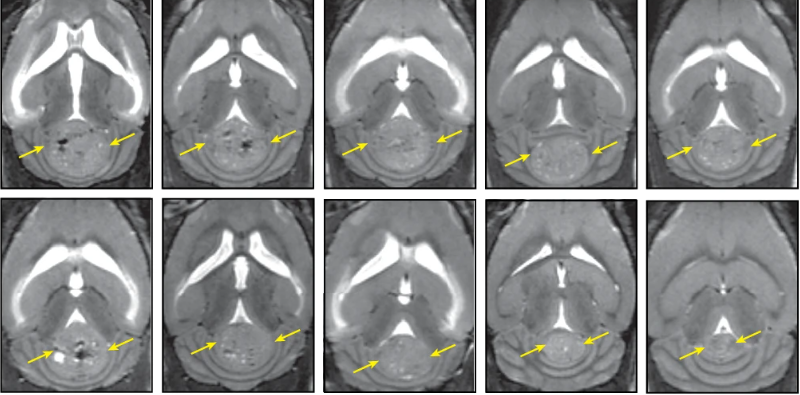
Disturbing OTX2’s gene-splicing ability reduced tumor growth, opening possibilities for improved treatments.
Read More
The CPRIT awards support developmental research focusing on promising new insights into cancer treatment and innovative core facilities.
Read More