Partners in crime – genes ATP13A2 and GBA1 interact to drive neurodegeneration
The findings reveal promising biological pathways that could be explored in future therapies.
Read More

The findings reveal promising biological pathways that could be explored in future therapies.
Read More
The findings offer new possibilities to restore in people disruptions in dopamine that have been associated with disorders such as addiction, depression, sleep disorders and schizophrenia.
Read More
The Alzheimer’s Disease Fly Cell Atlas may lead to a better understanding of the condition and improved treatments.
Read More
Working with fruit flies, the team uncovered a mechanism by which the defective variants may cause the neurological symptoms in affected individuals.
Read More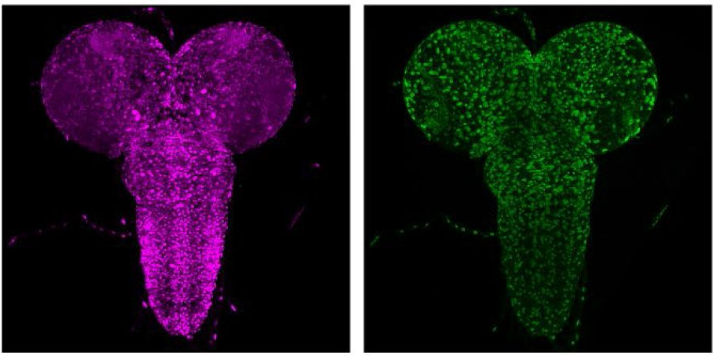
This experimental model is a valuable tool to study how DEE44 develops and test potential therapies.
Read More
By leveraging the team’s expertise in fruit fly biology and collaborating with clinicians, geneticists and genetic counselors the program aspires to provide answers to patients with severe undiagnosed conditions.
Read More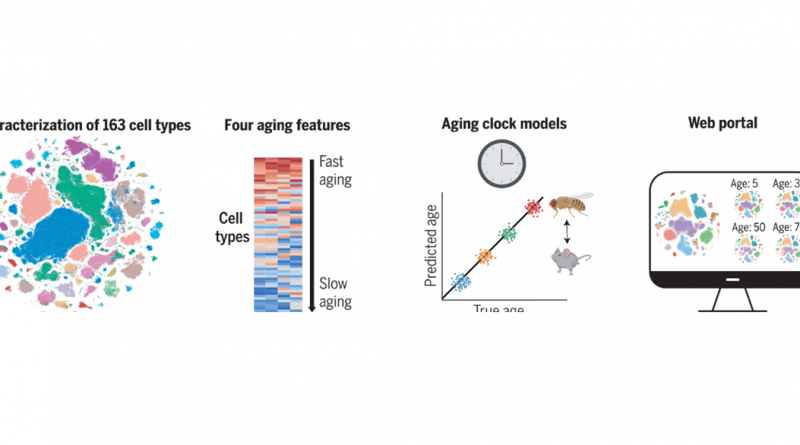
The new atlas provides a powerful, open-access resource for scientists to better understand the biology of aging.
Read More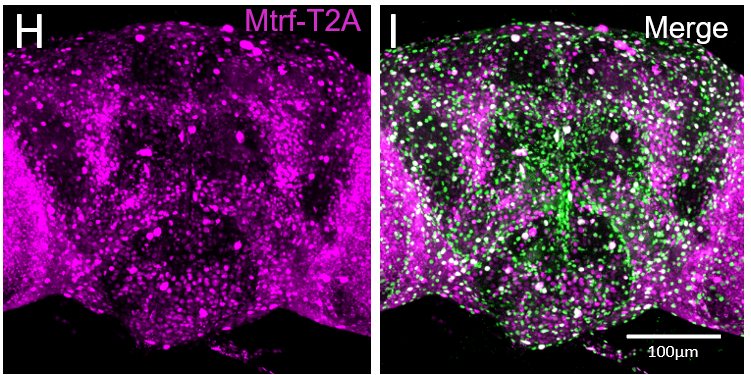
The findings open new avenues to investigate mechanisms that lead to this disorder, offering ideas toward a future treatment for the disease.
Read More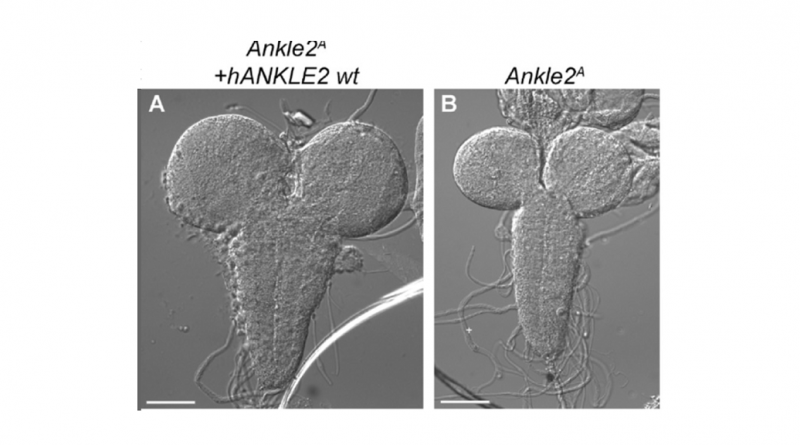
This study shows that ANKLE2 mutations can cause a wide range of severity in microcephaly among patients.
Read More
From the Labs presents a sample of Baylor’s basic research work contributing to a better understanding of autism and related disorders.
Read More