Image of the Month: Organizing DNA
A multi-institutional team spanning Baylor College of Medicine, Rice University, Stanford University, and the Broad Institute of MIT and Harvard has reported the first successful
Read More
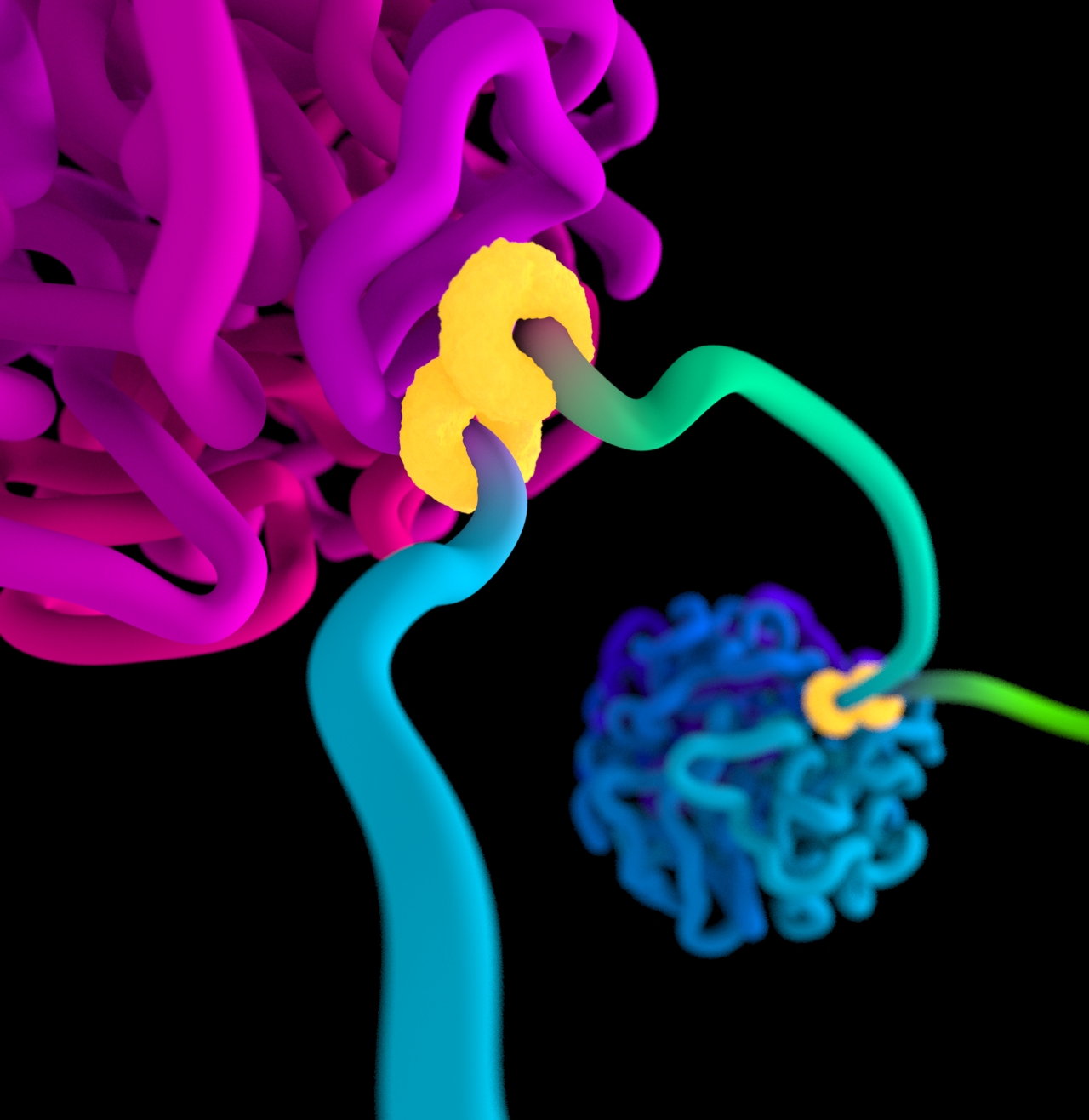
A multi-institutional team spanning Baylor College of Medicine, Rice University, Stanford University, and the Broad Institute of MIT and Harvard has reported the first successful
Read More
Stirring high-profile debates over the past few months, the controversial genome editing technique, CRISPR/Cas9, continues to make scientific headlines. The June 4, 2015 issue of
Read More
Deep brain stimulation — usually used to treat movement disorders – overcomes the learning and memory deficits in mice whose symptoms mimic those of Rett
Read More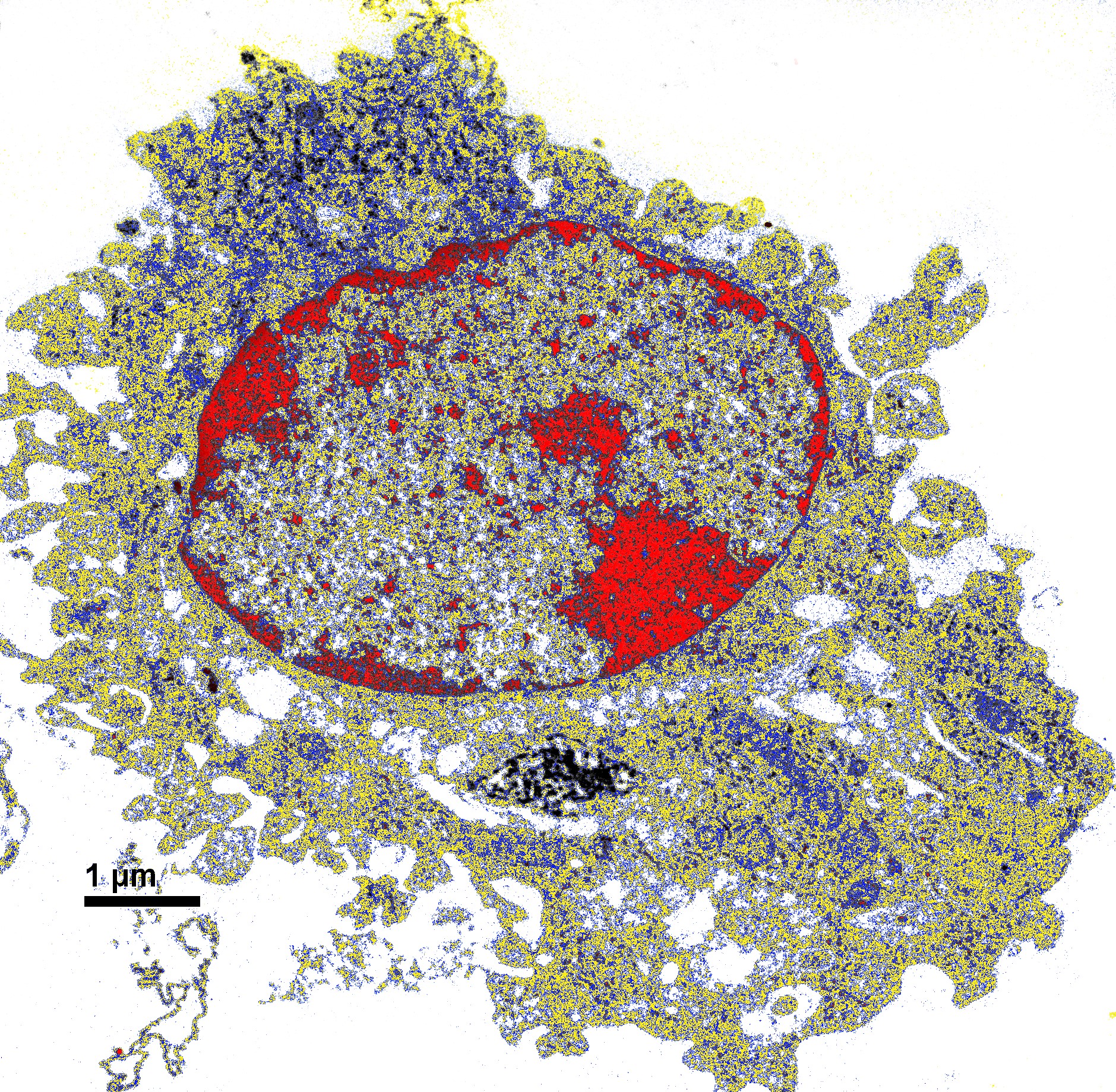
By Ruth SoRelle, M.P.H. Autopsies on smokers who died with severe emphysema reveal lungs that are black in appearance. These emphysematous lungs strain breathing structures
Read MoreBy Dr. Peter Hotez The announcement that the 2015 Nobel Prize in Physiology or Medicine went to three scientists who developed antiparasitic disease drugs has
Read More
By Glenna Vickers An epigenetic feature that may help identify novel cancer driver genes has been identified by researchers in the Dan L. Duncan Cancer
Read More
By Julia Parsons More than 11 percent of infants born with a neural tube defect such as spina bifida were not identified before birth, according
Read More
By Ruth SoRelle, M.P.H. A form of the enzyme arginase, which converts arginine to ornithine, reduces levels of arginine in the blood after both single
Read More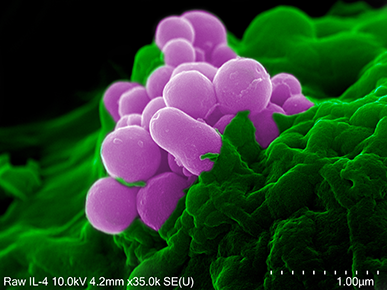
Cell-based trafficking of nanoparticles is achieved through in situ uptake and transport of nanoparticles by myeloid cells. Shown here is the cell membrane of a
Read More
Stay in the know about scientific research conducted at Baylor College of Medicine. Subscribe to From the Labs!
Read More