Mystery solved, rotavirus VP3 is a unique capping machine
After eluding researchers for more than 30 years, the VP3 protein of rotavirus has finally revealed its unique structure and function to a team led
Read More
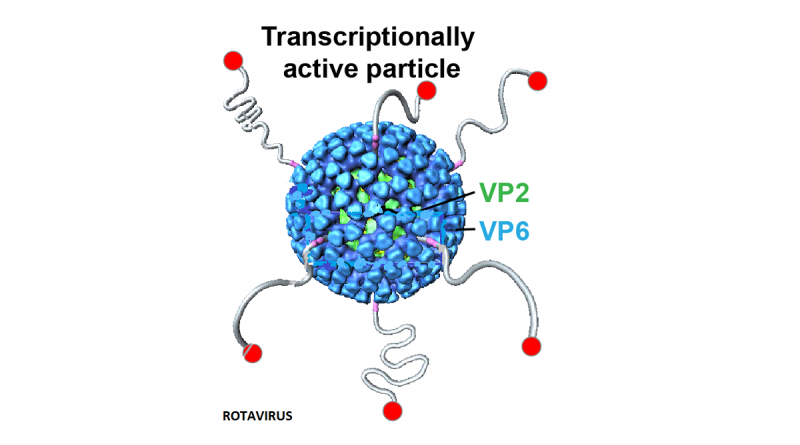
After eluding researchers for more than 30 years, the VP3 protein of rotavirus has finally revealed its unique structure and function to a team led
Read More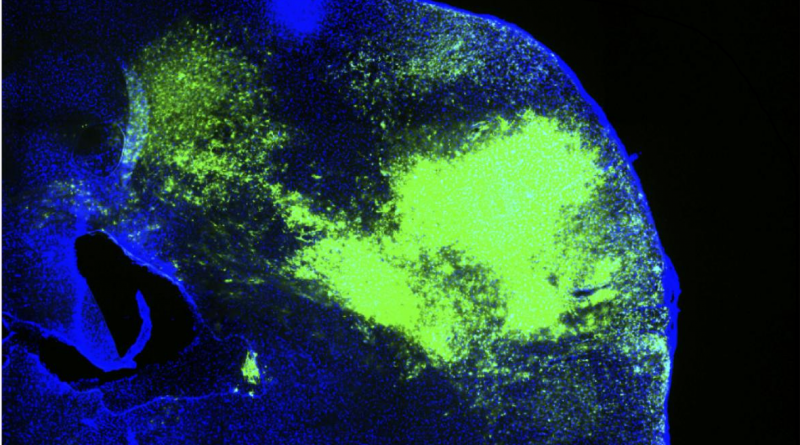
Sudden episodes of confusion and seizures often are the first signs of a malignant brain tumor. At Baylor College of Medicine, Dr. Jeffrey Noebels, director
Read More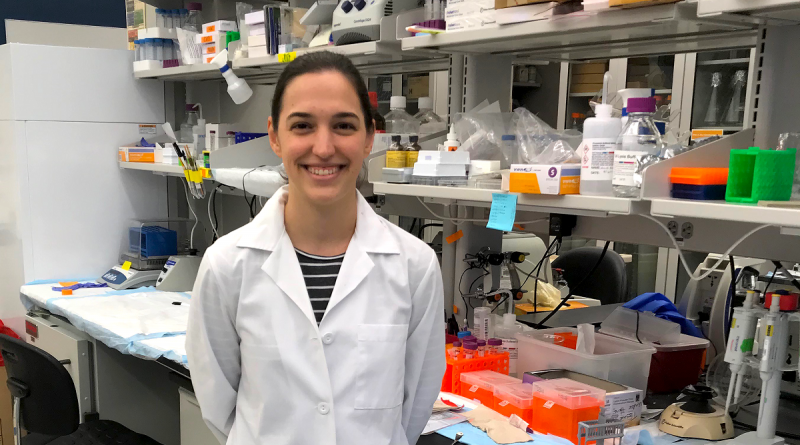
From the Labs interviewed Amanda Brown to learn about what drives her fascination with science, her interest in science communication and her future plans in
Read More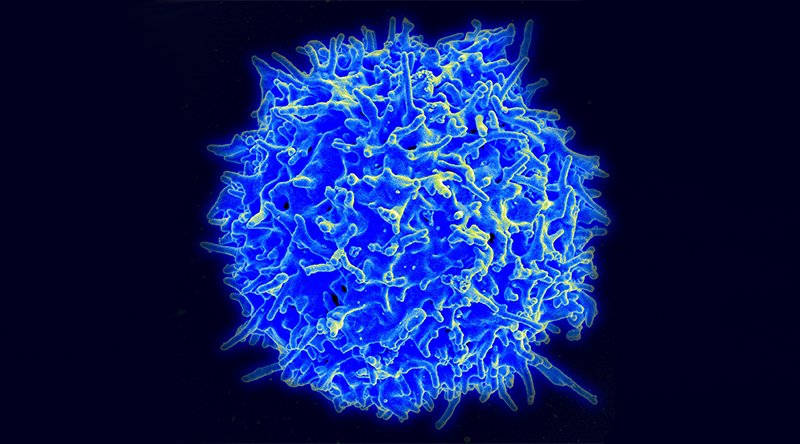
Acute Lymphoblastic Leukemia (ALL) is the most common childhood cancer. While most children respond well to chemotherapy, some experience resistant or relapsed disease. Building on
Read More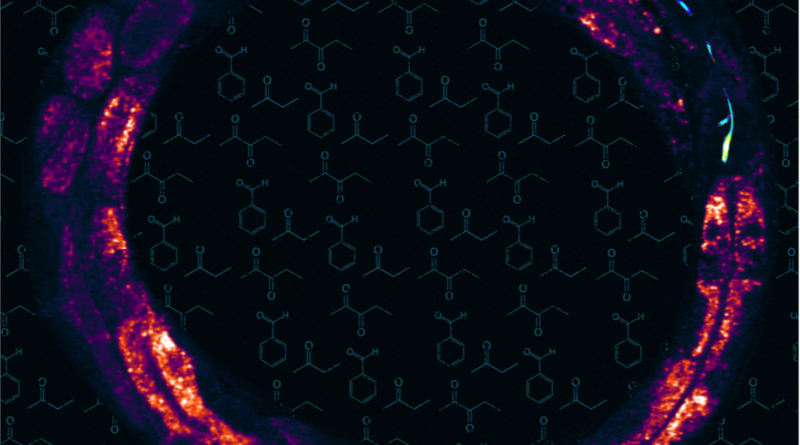
Dr. Ayse Sena Mutlu, a postdoctoral fellow at Baylor’s Huffington Center On Aging, had an intriguing question. Is it possible to change the body’s fat
Read More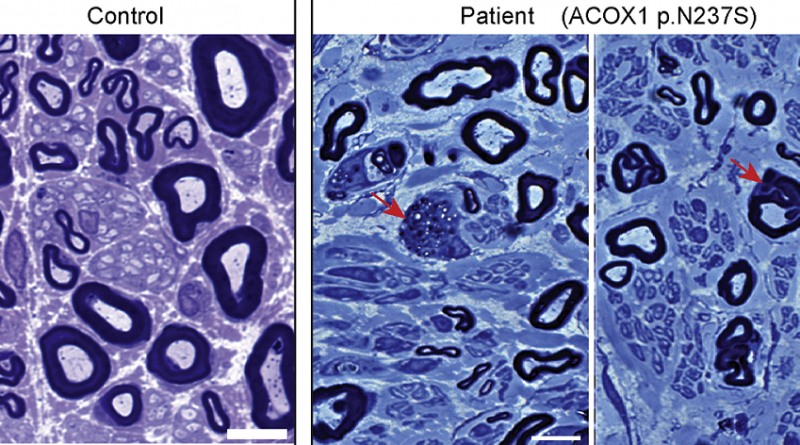
When a patient with puzzling neurological symptoms enrolled in the Undiagnosed Diseases Network, researchers led by Dr. Hugo J. Bellen were set on solving the
Read More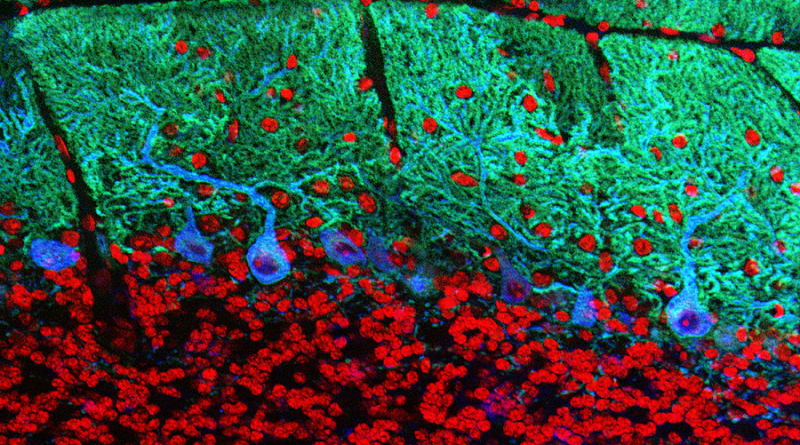
Purkinje cells are a type of neuron located in the cerebellar cortex of the brain. Purkinje cells are involved in the regulation of movement,
Read More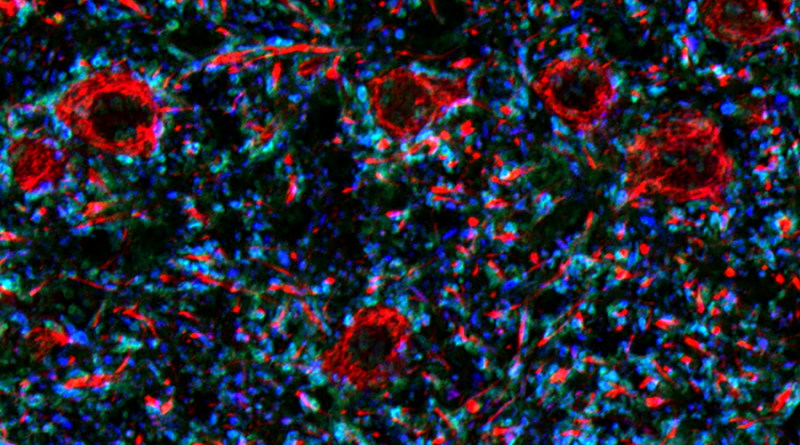
Tremor is an involuntary, rhythmic shaking movement in one or more parts of the body. Available treatments are not always effective and the development of
Read More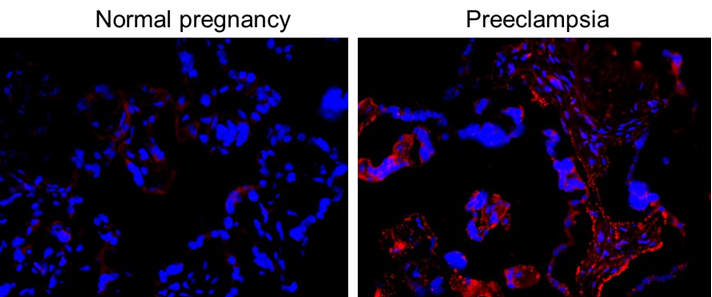
For years, researchers have looked for single gene mutations that could be strongly associated with risk of preeclampsia, but the results have not been encouraging.
Read More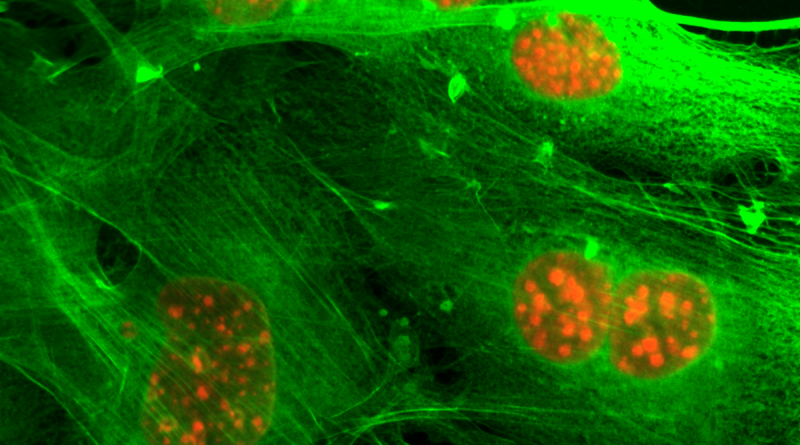
It is well known that neurofibromin (NF1), a tumor suppressor produced by the NF1 gene, keeps cancer growth in check by repressing the activity of
Read More