Top five most viewed Images of the Month in 2024
Our viewers selected these Images of the Month as the most popular of 2024.
Read More
Stay in the know about the scientific research conducted at Baylor College of Medicine with From the Labs, the spotlight for the newest and most interesting research findings from the bench at the College.
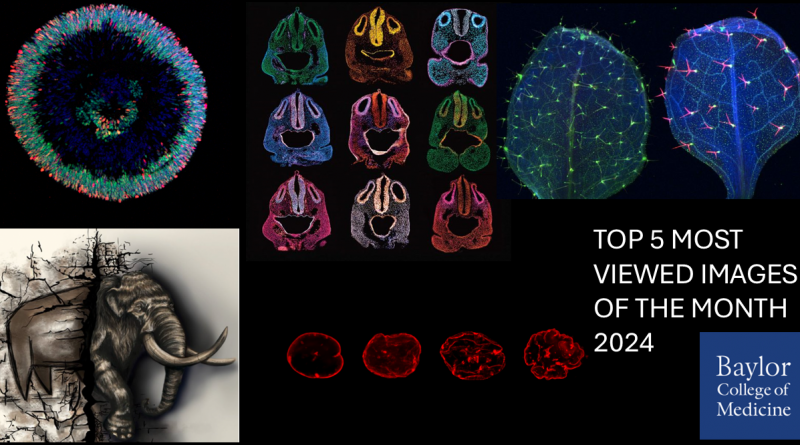
Our viewers selected these Images of the Month as the most popular of 2024.
Read More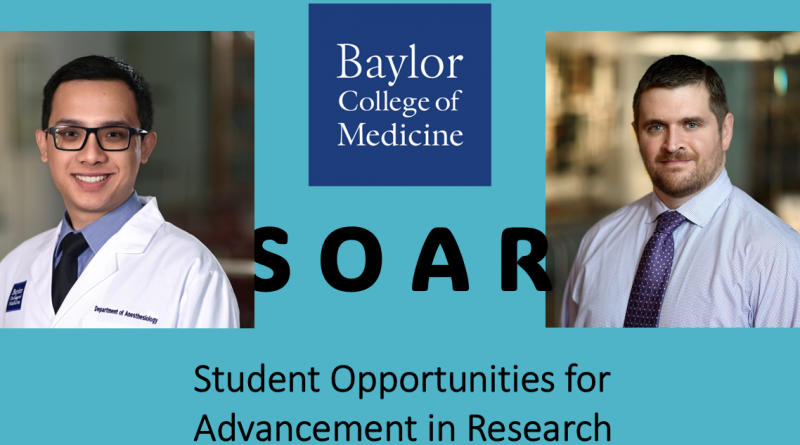
“I highly recommend SOAR to other medical students to explore topics beyond their usual interests and potentially outside their desired specialty,” said Dr. Richard Bui.
Read More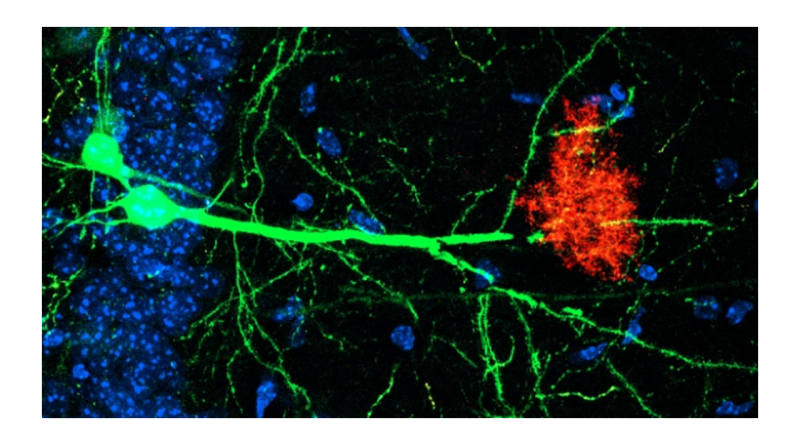
Neurons (green) and astrocytes (red) work together to regulate storage and retrieval of memories.
Read More
Characterizing the trajectory of molecular events leading to Rett syndrome opens new opportunities for novel therapeutic approaches.
Read More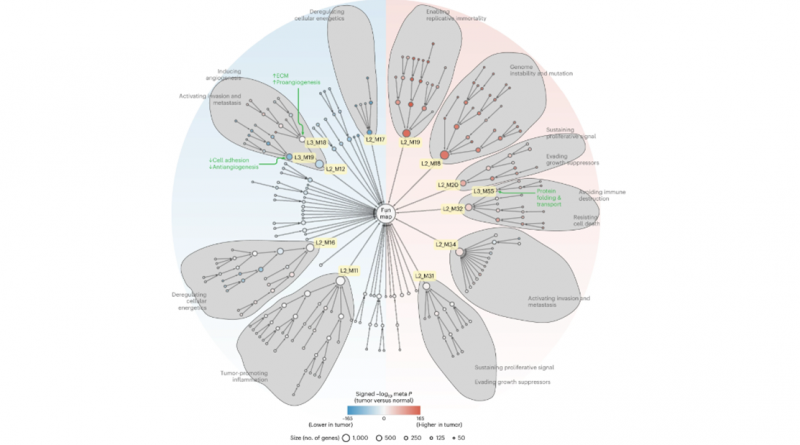
FunMap assesses the role of cancer-associated mutations and proteins, with broad implications for advancing cancer biology and informing therapeutic strategies.
Read More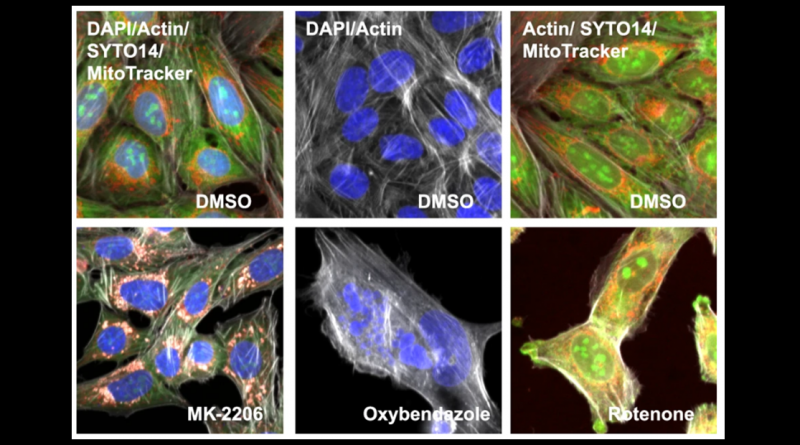
By capturing the full complexity of cellular responses, SPACe opens new doors for drug discovery that go beyond toxicity.
Read More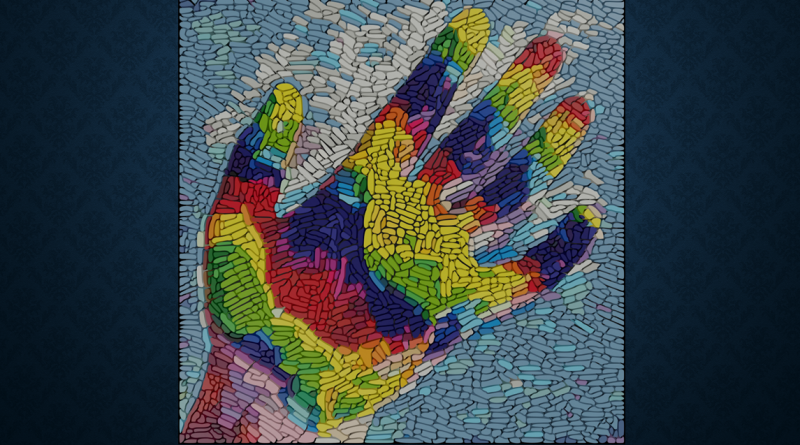
“We are all walking mosaics of genetically distinct cells,” said Dr. Margaret Goodell.
Read More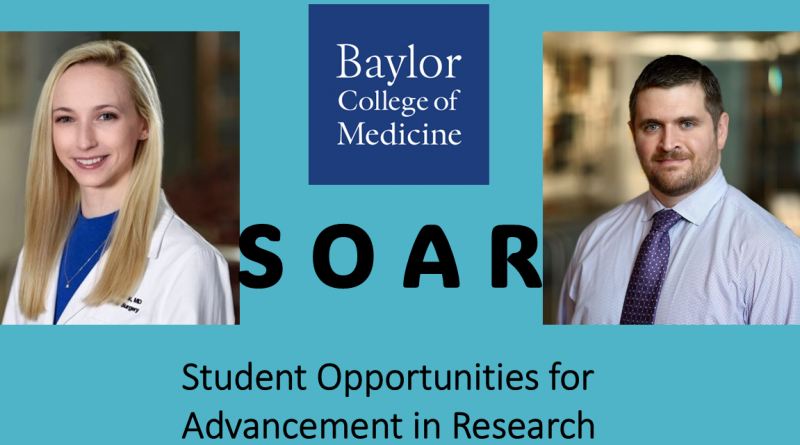
“I have reassessed much of my career path and interests thanks to the experience I gained with SOAR,” said Dr. Taylor Nack.
Read More
BHB-Phe is found in the blood after fasting or exercise and can reduce food intake and obesity in mice.
Read More
These promising clinical trial results are a big step forward in a years-long development journey that started in the lab at Baylor.
Read More