Connecting the dots between cause-effect events in Alzheimer’s disease
This cross-species approach reveals that some paths seem to aggravate the disease while others may protect against it.
Read More

This cross-species approach reveals that some paths seem to aggravate the disease while others may protect against it.
Read More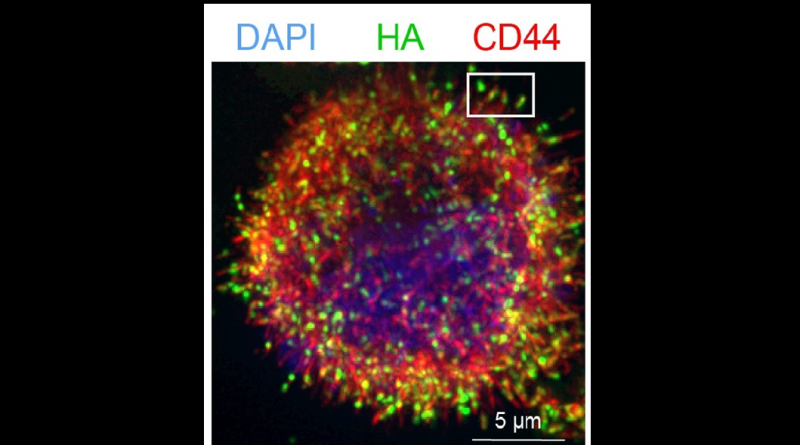
These finding highlight new possibilities for developing clinical interventions to treat metastatic TNBC patients for whom there are no specific therapies.
Read More
The findings reveal promising biological pathways that could be explored in future therapies.
Read More
The findings have provided answers to families that until now had no diagnosis for their child’s condition.
Read More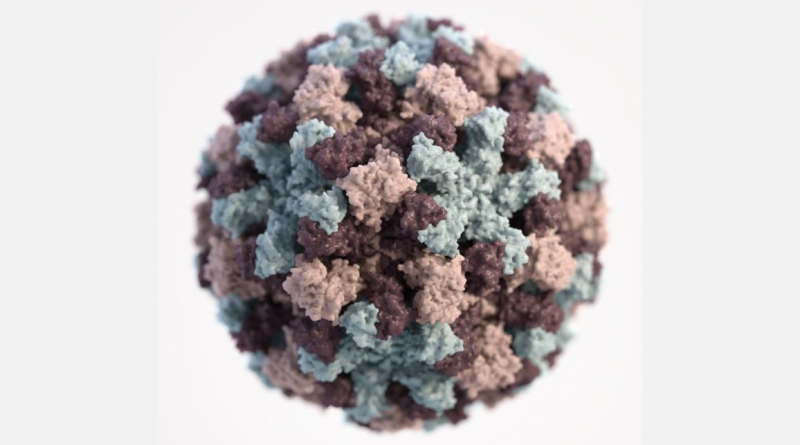
Growing and maintaining norovirus strains in the lab allows researchers to advance studies of viral structure, antiviral drug screening and vaccine development.
Read More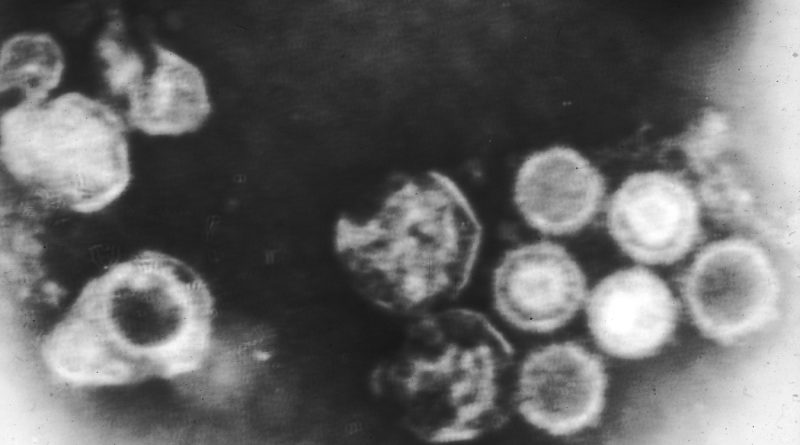
Differences in these genes help explain why Epstein-Barr Virus can have lasting health effects in some people but not others.
Read More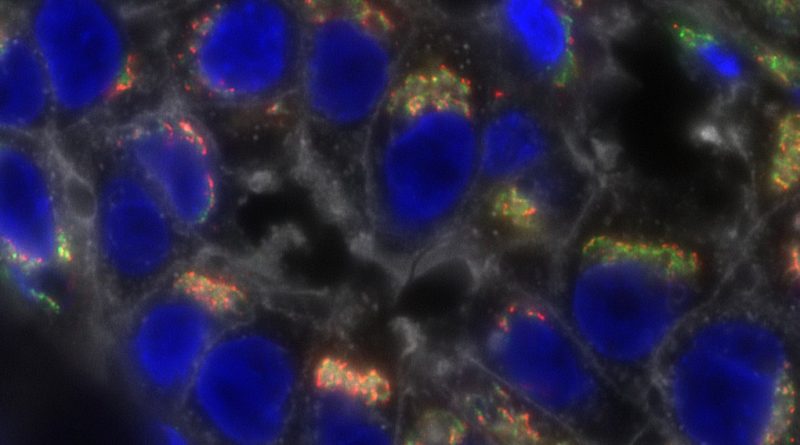
Tumor cells that were frequently undetectable using standard markers became clearly visible when the team applied the new marker combination.
Read More
This study opens the door to new strategies for potentially slowing or preventing VCP-linked neurodegeneration.
Read More
The findings offer new possibilities to restore in people disruptions in dopamine that have been associated with disorders such as addiction, depression, sleep disorders and schizophrenia.
Read More
Rosenberg’s proposal was chosen for her groundbreaking strategy to combat antibiotic resistance by targeting the evolutionary process itself.
Read More