How does ZR make cancer happen? Locking brain development in immature state can drive tumor growth
The findings suggest potential new approaches to treat these aggressive and chemo-resistant tumors.
Read More

The findings suggest potential new approaches to treat these aggressive and chemo-resistant tumors.
Read More
The findings have potential clinical implications as they suggest future targeted treatment strategies.
Read More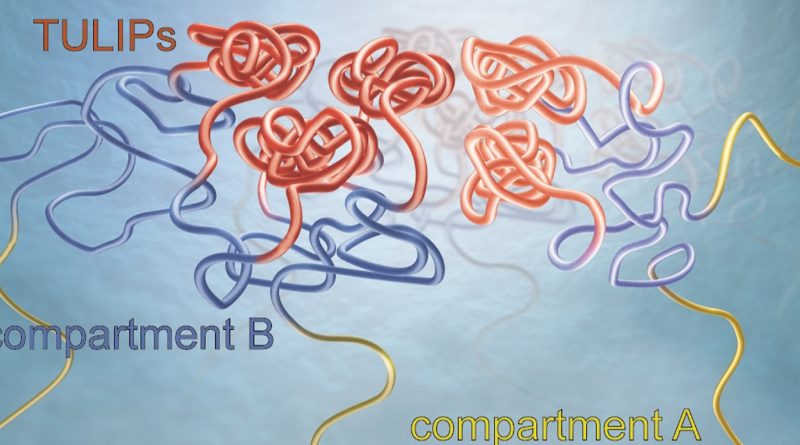
TULIPs are 3D genome features in PFA ependymoma that are not present in other types of pediatric brain cancer.
Read More
The findings highlight the importance of considering the mechanisms of gene regulation involved in different tumors when planning therapies.
Read More
From a clinical perspective, the treatment for ependymoma – the third most common childhood brain tumor – has changed little over the last 20 years.
Read More