Skip to content
Tuesday, September 1, 2026
Latest:
  • Immune responses to urinary tract infection linked to birth outcomes
  • The children we don’t see
  • Dr. Google, meet Dr. GPT: Tips on using AI for medical advice for children
  • Loss of NF1 drives ER+ breast cancer metastasis on two fronts
  • Growing Up Baylor: Dr. Ida Orengo
Baylor College of Medicine Blog Network

  • Home
  • Momentum
    • About Momentum
    • Resources
    • Contributors
      • Taylor Barnes
      • Dana Benson
      • Molly Chiu
      • Julie Garcia
      • Graciela Gutierrez
      • Anna Kiappes
      • Aries Payne
      • Andy Phifer
      • Homa Warren
      • Melissa Tucker
    • Contact Us
  • From The Labs
    • About From the Labs
    • Follow From The Labs on Twitter
  • Policywise
    • About PolicyWise
    • Follow @BCMEthics on Twitter
  • The Stitch
    • About The Stitch
  • Progress Notes
    • About Progress Notes
    • Progress Notes Editors
    • Connect With Us
  • bcm.edu

founder clone

From The Labs

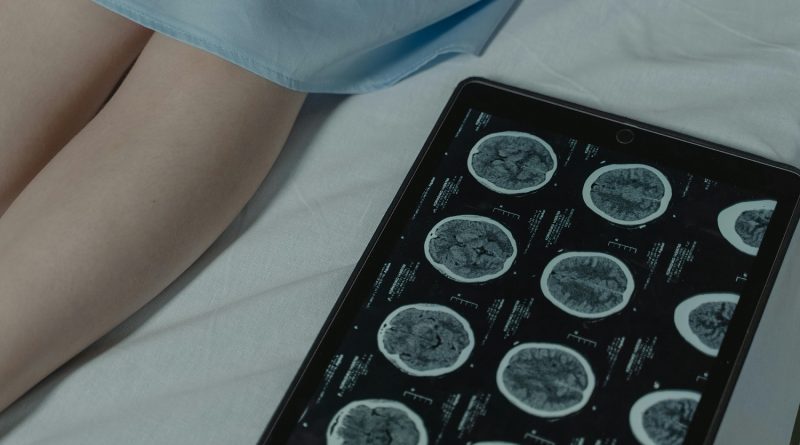
How does ZR make cancer happen? Locking brain development in immature state can drive tumor growth

April 9, 2026 brain development,  ependymoma,  founder clone,  pediatric brain cancer,  Research,  ZFTA-RELA (ZR) fusion-positive ependymoma,  ZR tumor

The findings suggest potential new approaches to treat these aggressive and chemo-resistant tumors.

Read More
From the Labs: Image of the Month

two distinct neuronal populations in separate compartments of a microfluidic device. On the left, neurons express the 4R tau form (pink), which is associated with toxicity in Alzheimer’s disease, while on the right there are neurons from healthy individuals expressing normal tau (blue). In the central microgroove region of the device, neurons extend axons between the compartments. From the Labs: Tau travels between neurons

Healthy Habits: A DOC-umentary Series

https://www.youtube.com/watch?v=SlNiMWHUhbc

Archives

Search

©1998 - 2023 Baylor College of Medicine®
One Baylor Plaza, Houston, Texas 77030
(713) 798-4951