
What is fiber?
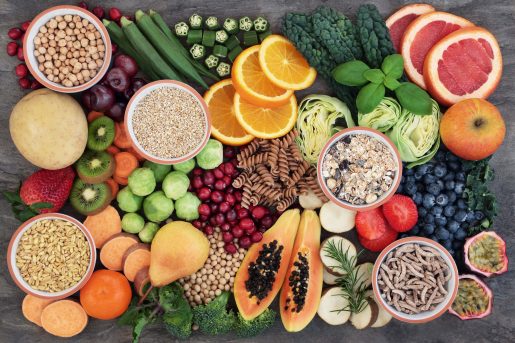 Fiber is trendy for a reason: It is nutritious and an essential part of the diet, but most people do not get enough of it. A Baylor College of Medicine registered dietitian emphasizes the importance of fiber.
“Fiber is in the carbohydrate family, and it is essential for digestion, feeding your gut bacteria and keeping bowel movements regular,” said Lisa Froechtenigt, registered dietitian in the Michael E. DeBakey Department of Surgery.
Benefits of fiber
Eating fiber is crucial and provides health benefits, such as:
- Digestive health: Promotes regular bowel movements and helps feed gut bacteria.
- Heart health: Helps lower LDL cholesterol (also known as “bad” cholesterol). HDL cholesterol (“good” cholesterol) should be elevated in the body, and fiber helps to take out the LDL.
- Diabetes prevention/management: Helps manage glucose levels, especially when experiencing spikes in blood sugar.
“Fiber makes us feel fuller for longer since it takes longer to digest. Foods with little-to-no fiber like simple carbs are quick digesting, so if you eat things like chips, pairing that with a source of fiber helps to slow down that digestion to feel satisfied for longer, similar to what protein and fats also help with,” Froechtenigt said.
Kinds of fiber
Fiber is categorized into two groups: soluble and insoluble fiber. Soluble fiber turns into a gel-like substance when digested, so it helps bulk food together in stool, slowing the rate of digestion. Insoluble fiber does not break down as easily but pushes everything through the digestive tract. People need a balance of both, and some foods contain a mixture of both kinds of fiber.
Soluble fiber is in foods like apples, beans, carrots, citrus fruits, oats, peas and barley, as well as psyllium, which is a type of fiber often used as a laxative.
“Insoluble fiber can be found in items you might typically see in a salad bar, such as lettuce, cucumber or broccoli. Those are more of the ‘roughage’ type fiber that push things through the digestive track, ” Froechtenigt said.
Vegetables, including cauliflower and green beans, contain insoluble fiber. Beans, nuts, seeds, sweet potatoes, carrots, whole wheat flour and whole grains (such as oats) contain a mixture of both soluble and insoluble fiber.
Incorporating fiber in the diet
Those who want to eat more fiber but don’t know where to start can add fibrous foods to their meals. Switching from white breads to whole grain or multi-grain breads and adding brown rice in place of white rice at times can be beneficial. Put ground flax seeds or chia seeds in oatmeal or smoothies or add vegetables to casseroles or soups. Incorporating vegetables in pasta sauces or switching to a whole wheat pasta also is beneficial. Froechtenigt offers suggestions on how to add fiber to your diet for snacking as well.
“If you like to eat crackers or chips with dip, add a vegetable on the side like carrots or celery. Fun ways to add flavor to snacks include eating an apple with peanut butter or nut butter if you don’t want to just eat a plain apple or making a yogurt bowl with fibrous foods like granola, chia seeds, flax seeds and different fruits to get all kinds of fiber.”
Daily recommendation
While eating too much fiber is possible, most people do not get enough. The average amount of fiber people should eat daily is:
- Women age 50 and below: ~25 grams
- Men age 50 and below: ~38 grams
- Women age 50+: ~21 grams
- Men age 50+: ~30 grams
“Always look at nutritional labels, which will state the total amount of carbs and below it, the grams of fiber you’re getting,” Froechtenigt said. “Usually, it’s only about 3 to 5 grams of fiber per serving, so if people are only having one serving of that food item per day, they might not be getting enough fiber per day.”
She suggests adding different berries and fruits to meals throughout the day to meet the recommended amounts of fiber.
Supplements
While people should eat fibrous foods, some might struggle if they are picky eaters, have allergies or cannot tolerate much fiber. Supplements can be helpful to get fiber throughout the day. Most supplements come in powder form and must be mixed with fluids, such as Benefiber or Metamucil. Follow the instructions on how much to take per day and avoid consuming more than the recommended amount. Gummy or chewable fiber supplements also work but remember to drink fluids with them.
Hydration
Hydration is critical with fiber consumption. The digestive tract must be hydrated. The majority of water intake is absorbed in the large intestine where fiber is more effective.
“If we’re dehydrated, it makes it more complicated for the stool. We might see more constipation and straining when trying to pass a bowel movement. Water helps keep the large intestine and the bulk of the stool easier to pass,” Froechtenigt said. “If we get too much fiber, we get backed up, and fluid makes sure everything softens and passes through.”
Those who struggle with constipation should consider their fiber intake and drinking enough fluids. Constipation often resolves once water intake increases in conjunction with sufficient fiber.
Caution
People with irritable bowel syndrome (IBS), Crohn’s disease or any digestive diseases might need to be more mindful of fiber and should talk to a dietitian or GI specialist. Fiber can worsen IBS symptoms if experiencing a flareup or diarrhea. A flareup of Crohn’s or ulcerative colitis brings inflammation in the digestive tract. These patients want to focus on managing what goes through the digestive system to not worsen symptoms.
“Soluble fiber will slow down diarrhea and bulk up the stool versus insoluble fiber like a salad that will go right through someone,” Froechtenigt said.
Anyone struggling with digestive issues or high cholesterol should talk to a specialist to understand which fibrous foods to eat or avoid, as well as supplement intake.
By Homa Warren