Uh-oh – what to do when you eat something inedible
 In a world of edible things, what is the real harm in eating something that is not meant to be eaten?
Isabel Valdez, physician assistant with Baylor Medicine, said it depends on what that something is.
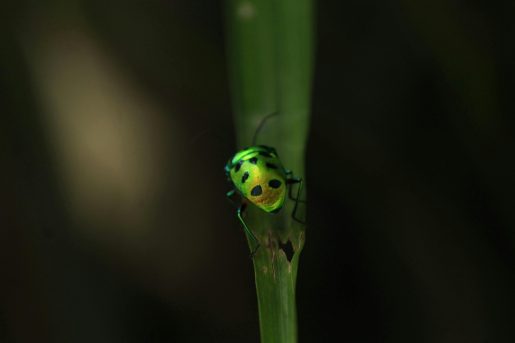
Many people have a similar story, especially if they happen to be running or riding a bicycle for exercise: “I swallowed a bug.”
That’s uncommon, Valdez said, but it does feel strange when it happens.
“I’ve been close to swallowing a bug, and I’ve had a bug come up my nose, so I forced myself to sneeze,” she said. “I’ve heard from many patients that they have swallowed a bug while running.”
Creep factor aside, eating a bug or something else that isn’t food will work its way out of a person’s body naturally, as long as it’s not toxic. Small, smooth items – no sharp edges – are fine if accidentally ingested.
“The stomach has this really strong acid in it to digest foods. If there’s a small amount of something accidentally ingested, that acid will likely kill any bacteria or virus that might get in your stomach,” Valdez said.
What kids, and sometimes teenagers, inevitably put in their mouth is another story. There are household or outdoor materials that can be dangerous if swallowed, drank or eaten; that’s when Poison Control should be called or a trip to the emergency room should be taken, she said.
“A common concern is to swallow chemicals, the instinct is to induce vomiting,” she said. “You don’t want to make yourself vomit any chemical or liquid product because it may cause damage to the esophagus.”
Eating something inedible by mistake is typical, but what about when people purposely eat something that could harm them?
Back in 2018, the “Tide Pod Challenge” ran rampant across social media: teens would eat the literal bite-sized detergent while being filmed for no reason other than it being an internet challenge.
In the span of three weeks in 2018, the American Association of Poison Control Centers (AAPCC) reported 86 cases of children 13- to 19-years-old intentionally eating the laundry detergent. The AAPCC called the trend life-threatening and could possibly cause seizure, pulmonary edema, respiratory arrest, coma or death.
“Even though its common sense to not consume these chemicals, people were eating them and getting very sick out of this internet fad,” said Valdez, who is an associate professor in the Margaret M. and Albert B. Alkek Department of Medicine.
Detergent notwithstanding, an accidental bite of something inedible is no cause for panic, she said. “Don’t worry, it won’t be the end of the world.” When in doubt, you can call the Poison Control hotline at 1-800-222-1222.
By Julie Garcia