From cough to concern: Understanding pneumonia
 Around 1.2 million emergency department visits in the U.S. each year are caused by pneumonia. The risk of this common lung infection can increase as we age. What exactly causes pneumonia, and how is it treated? We asked Baylor Medicine Physician Assistant Isabel Valdez about this infection.
Pneumonia is when the air sacs in the lungs become inflamed and filled with either fluid or pus. This infection can be caused by several factors. “Typically, pneumonia is caused by bacteria and viruses,” said Valdez, who also is an associate professor at Baylor. “Very rarely it can be caused by fungi, but, more than likely, it’s going to be a virus or bacteria.”
Some populations are especially vulnerable to pneumonia. This includes smokers, those with chronic conditions like diabetes or asthma, children under 5 and adults over the age of 65.
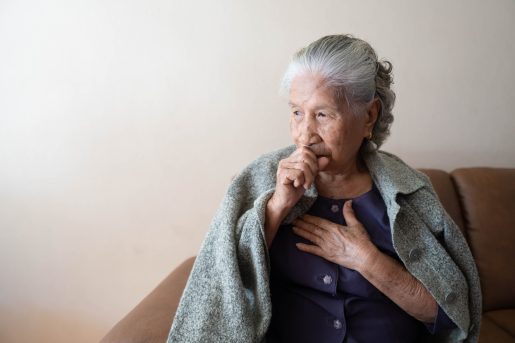
Since common symptoms are fever, chills and fatigue, it can be hard to tell if you have pneumonia versus a common infection like a cold or the flu. The symptoms you should keep a lookout for when it comes to pneumonia are a severe cough, wheezing, and a feeling of breathlessness.
“Some patients will describe it to me, ‘I’m usually able to walk across the house or go up the stairs, but I have to stop and catch my breath,’” Valdez said. “Some patients will even say that they have a tightness in their chest or they can hear a rattling in their chest from their cough.”
For those in the special populations susceptible to pneumonia, keep a closer eye on them, as they may also experience symptoms such as dehydration and dizziness.
Pneumonia can be diagnosed in several ways. If it’s in the early stages, your healthcare provider can make the diagnosis based on what’s they see during a clinic visit.
“They might be able to hear some changes in your lung sounds, maybe on one side of your lungs that are irregular to the rest of your lungs. That might lead them toward thinking that you may be getting some fluid or mucus in the lungs that could point toward an infection,” Valdez said.
If symptoms have led you to the emergency room, there are other tools that can confirm pneumonia, like blood tests, chest X-rays and chest CT scans.
To treat pneumonia, Valdez says to think of it as two buckets. The first? The infection component. Depending on whether you have a viral or bacterial infection, your provider might prescribe antibiotics to treat the bacterial infection; otherwise, the virus (think COVID, flu, etc.) will just have to run its course. The second bucket is the inflammatory, or the “everything else”, component. These symptoms, such as fever, chills and cough, can be treated with medications like acetaminophen, ibuprofen, expectorants and cough suppressants. Some patients may need prescription medications delivered via an inhaler, especially if they feel out of breath.
“Of course, above all, and most important to anything, is to rest, rest and more rest,” Valdez said. “Also, stay more hydrated than usual while you’re resting, because that will also determine how long it will take before you get better.”
If you notice you’re experiencing symptoms but aren’t sure whether you should see your doctor, Valdez shares some advice.
“If you have had a cold or infection that has lasted more than two weeks or that is getting close to the two-week mark, go see your provider. You may be developing nothing other than an infection that’s running its course, or you may be at risk for complications,” Valdez said.
Also, if you notice signs that your body is “asking for help” as Valdez says with fevers, chills, nausea, difficulty breathing, keeping food down, etc., those are flags to see someone immediately.
You can help prevent pneumonia by getting vaccines like the annual flu and COVID shots , as well as, if you qualify, the RSV and pneumonia vaccines.
Also, keep up your healthy habits. “The best thing you can do is make sure that you wash your hands, you eat well, you rest well and stay hydrated,” Valdez said. “Also, avoid being around people who are sick and be sure to stay home when you’re sick to protect vulnerable populations.”
Learn more about Baylor Medicine General Internal Medicine.
By Anna Kiappes