Women in gastroenterology: Paving the road ahead
One of the most rewarding parts of my career has been seeing how meaningful change can begin with something as simple as bringing people together. Over the past four years, I have had the privilege of serving as a course director for two of the American Gastroenterological Association’s (AGA) Women in GI Regional Workshops. More recently, I was invited to moderate an AGA Gastro Bites webinar highlighting the unique challenges facing women in gastroenterology and the opportunities that exist within the AGA to address them. These experiences have reinforced an important lesson for me: while data help define disparities, meaningful progress happens when people come together to discuss them openly and work collectively toward solutions.
Like many medical specialties, gastroenterology remains male-dominated, with women underrepresented in the field and in leadership roles. Female gastroenterologists still comprise only approximately 20% of the field. Moreover, female gastroenterologists report earning 15-20% less than their male colleagues. While these challenges are well documented, statistics alone cannot capture the lived experiences behind them or identify the practical changes needed to move the profession forward.
The AGA Women in GI Regional Workshops were created to bring together women across diverse practice settings to foster mentorship, leadership development and collaboration. What I have found most valuable is not simply the opportunity to discuss barriers, but to learn from colleagues with different experiences and perspectives. Bringing together physicians and advanced practice providers creates space to exchange ideas, identify shared challenges and develop strategies that participants can bring back to their own institutions.
What has impressed me the most is the breadth of these conversations. Participants discuss everything from leadership opportunities and sponsorship to representation in organized medicine, career transitions, mentorship and strategies for creating more inclusive workplaces. Work-life integration is one recurring topic, but it is only one example of the broader challenges women in gastroenterology continue to navigate. By sharing experiences openly, participants transform individual obstacles into opportunities for collective problem-solving and advocacy. 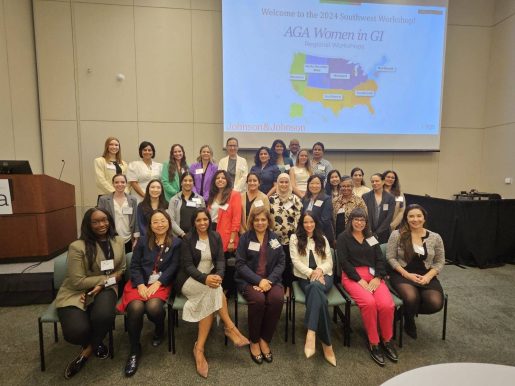
These workshops also reminded me of the importance of creating opportunities for meaningful engagement. While virtual formats have expanded access and allowed more participants to connect, there also is unique value in the relationships that develop through in-person interactions. Whether through a shared discussion, mentorship conversation or informal exchange with colleagues, these connections help build a sense of community and belonging that can extend well beyond the workshop itself. Ultimately, the format matters less than creating intentional spaces where participants can share experiences, support one another and collaborate toward meaningful change.
These discussions also have demonstrated the importance of engaging professional societies as partners. As participants share their experiences, organizations like the AGA have responded by supporting leadership development and creating more opportunities for women to contribute at the highest levels of the profession. With ongoing discourse, we can move the focus from recognizing disparities to actively addressing them.
While the work is far from complete, I am encouraged by the momentum these workshops have created. Continued investment in regional collaboration, participant-driven programming and opportunities that engage professionals across disciplines will only strengthen their impact. My experience has shown me that advancing equity and inclusion is not simply about improving representation – it is about creating a profession that better reflects the people it serves and ensuring that every member has the opportunity to contribute, lead and thrive. When we intentionally create spaces for connection, mentorship and honest dialogue, meaningful change becomes not only possible, but sustainable. I see the success of these workshops as a call to action for our leading societies and local institutions to continue efforts to advance equity in the workforce. When we partner in this change, the true power of having diverse leadership can be unleashed.
By Dr. Richa Shukla, associate professor, section of gastroenterology and hepatology, Baylor College of Medicine