The psychological impacts of Hurricane Helene
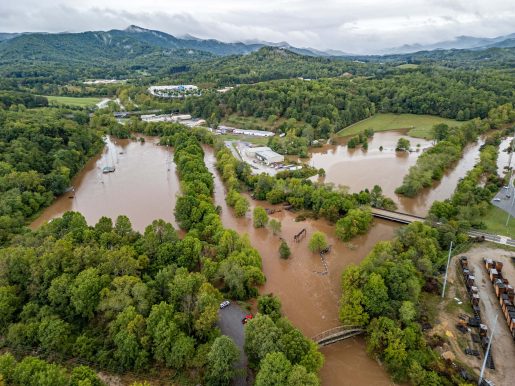 Hurricane Helene, a category 4 hurricane that made landfall Sept. 26, 2024, devastated Appalachian communities. It was the deadliest hurricane to hit the United States since Hurricane Katrina, with its impact spanning six states. Communities in North Carolina, Tennessee and Virginia were hit hardest, resulting in lack of power or water for months. Baylor College of Medicine researchers collected data from survivors after the storm to understand the traumatic impact. Their findings were published in Psychological Trauma: Theory, Research, Practice, and Policy.
“We were interested in understanding the traumatic impact of Hurricane Helene. There is quite a bit of research on the mental health impact of natural disasters, including other hurricanes, but they all have unique factors that make certain experiences more salient than others,” said Dr. Caitlin Pinciotti, first author of the paper, licensed clinical psychologist and assistant professor in the Menninger Department of Psychiatry and Behavioral Sciences at Baylor.
Four weeks after Helene made landfall in Florida and traveled inland, the research team recruited participants for an online study through social media groups, recovery cleanup groups, Research Match and the National Alliance of Mental Illness. While the survey was open for three months, this particular study focused on those who participated within the first four-to-eight weeks after landfall to understand the acute traumatic response.
They found high rates of post-traumatic stress symptoms, specifically in participants from the Appalachian communities that were directly impacted by the hurricane. Since this was a self-report survey, the researchers could not formally diagnose post-traumatic stress disorder (PTSD), but they found elevated rates of potential PTSD in those communities. They looked at predictors to determine the severity of reported symptoms. They found more severe post-traumatic stress symptoms in people who:
- Were younger.
- Were non-white.
- Experienced death of a family member.
- Had their home damaged or destroyed.
- Had someone in the household lose unemployment because of the hurricane.
- Lost access to safe water.
- Received less social support from others after the hurricane.
- Reported more dissociation during the time of the hurricane.
- Reported more uncertainty during the time of the hurricane.
“When we looked specifically at the responses from directly impacted Appalachian participants, we also found that peritraumatic fear – the amount of fear experienced at the time of the hurricane – was especially salient for them,” Pinciotti said.
Loss of access to safe water was widely reported among the Appalachian communities as some communities experienced it for months – a unique impact of this hurricane. This helped researchers understand who might be at risk for post-traumatic stress symptoms after natural disasters so they can concentrate on mental health resources for those individuals.
The research team continues to collect data from participants in waves. This paper intended to provide a snapshot of how people were coping right after the hurricane. The data will help understand how those participants continue to deal with the impacts of the hurricane over time.
“Just because someone struggled right after the hurricane doesn’t mean they continued to struggle,” Pinciotti said. “For a lot of people who experience trauma, even if they have an initial increase in post-traumatic stress symptoms, their symptoms tend to resolve naturally within a few months. There is a subset of people for whom that does not happen, and those are the people diagnosed with PTSD who may need treatment to recover.”
Pinciotti noted challenges in collecting the data as many people didn’t have power, water or food: “Participating in a study was the last thing on their mind.” Some expressed mistrust in their intentions about doing research. “This was an important barrier experienced, especially with the Appalachian community that has a long history of being taken advantage of and being mistreated.” She emphasized the importance of building community connections for a clearer understanding of how research can reach others to create positive benefits.
Other contributors to this work include Katherine Foshe and Dr. Eric Storch.
By Homa Warren