
Take a bite out of summer with seasonal produce
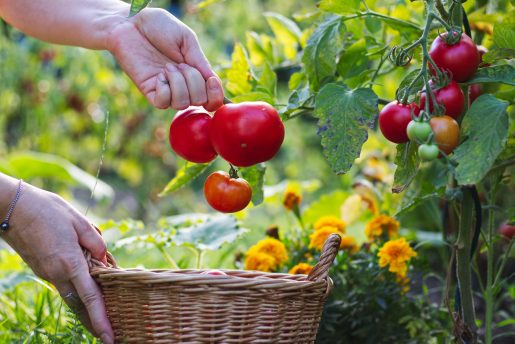 There’s nothing better than stopping at a local farmer’s market or roadside stand to pick up fresh summer produce. Claire Edgemon, senior registered dietitian in the Baylor Medicine Weight Loss and Metabolic Clinic, shares why eating fruits and vegetables in-season is best for you nutritionally and highlights some of the benefits of summer produce.
Edgemon explains that the biggest benefit of in-season produce is that they are at their peak. This means they are high in vitamins, minerals and antioxidants. They also have a better taste and texture.
When it comes to whether to get produce at the farmer’s market or at the local store, Edgemon says it really doesn’t matter nutrient-wise. She does give some tips on what to look for:
- Look for vibrant colors and avoid dull or wilted produce.
- Choose fruits and vegetables that are firm, not soft or mushy.
- For vegetables and melons, choose the heavier ones (they have more water, which means they are fresher).
- Choose produce with a pleasant smell (not moldy).
- Look for textures with a slight “give.” Over-ripe produce will be soft.
Also, if you’re not able to get something in-season, that’s ok.
“Frozen and canned fruits and vegetables are processed soon after harvesting, so they can have the same nutrients as fresh,” Edgemon said.
Check out the nutrient breakdown of some popular summertime produce:
- Tomatoes – high in vitamins C (immune), K (bone/blood), A (eye), folate (blood); potassium (heart); lycopene, which helps the heart and carotenoids (lutein/zeaxanthin), which help with eye health.
- Corn – has insoluble fiber (GI health); high in vitamins A, C, folate, calcium (bones), magnesium (many benefits), potassium; lutein, zeaxanthin.
- Zucchini/summer squash – has soluble (heart health) and insoluble fiber; high in vitamin C, A, B6 (nerves), folate, potassium, iron (blood); lutein, zeaxanthin.
- Cucumbers – high in vitamins K, C; potassium, magnesium; antioxidants
- Bell peppers – high in vitamin C, carotenoids, antioxidants
- Okra – has soluble fiber; high in vitamin D (bone, but many benefits), K, A, folate; magnesium.
- Peaches/plums/stone fruits – high in vitamin A, C; potassium; polyphenols, carotenoids.
- Berries – high in vitamins K, C and folate; potassium, manganese. Remember, the more color they have, the sweeter they will be and will have more antioxidants.
- Watermelon/melon – high in fluid (hydration); high in vitamins A, C; potassium; lycopene, lutein, zeaxanthin, beta-carotene.
- Cherries – high in potassium; anthocyanins, polyphenols, melatonin (sleep), serotonin (sleep); help decrease inflammation and muscle soreness.
- Figs – have soluble fiber; high in vitamin B6; potassium, calcium, magnesium, iron, copper; polyphenols, flavonoids.
- Mangos – high in vitamins A, B6, C, folate; copper, magnesium, potassium.
By Anna Kiappes