From Match Day to residency: Guiding the next generation of physicians
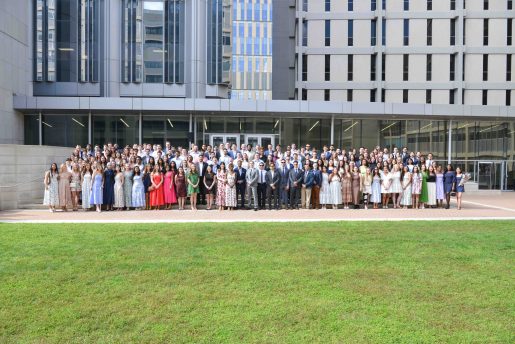 Match Day is a defining milestone for medical students across the country, and at Baylor College of Medicine, the Class of 2026 marked the occasion with an impressive outcome. A total of 191 medical students matched into residency programs, with 72 entering primary care fields including family medicine, pediatrics, internal medicine, medicine-pediatrics, obstetrics and gynecology and emergency medicine. Fifty-three students will continue their graduate medical education and residency training at Baylor, while 90 matched with residency programs across Texas.
This moment also serves as a reflection on the journey ahead. Match Day is not only a celebration of how far these future physicians have come, but also a reminder of the responsibility, purpose and impact that defines a career in medicine.
Residency training brings new responsibilities, steeper learning curves and opportunities for both clinical and personal growth. As future physicians transition into this next phase of medical training, Dr. Giang T. Quach, assistant professor in the Michael E. DeBakey Department of Surgery, offers practical guidance to help navigate the road ahead.
Stay grounded in your purpose
The pace and pressure of residency can quickly distance you from the reasons you chose a career in medicine. Holding onto that purpose is essential, especially in difficult moments. As Quach explains, staying connected to your “why” becomes more than motivation. It becomes a source of resilience.
“When things get overwhelming, your purpose will carry you through moments that skill alone cannot.”
Approaching medicine with humility reinforces that mindset, allowing you to remain open to new knowledge, perspectives and experiences while strengthening your relationships with patients and colleagues.
Build fundamentals and take ownership
Confidence in clinical practice is built through repetition, discipline and attention to detail. Early in residency training, consistency matters more than speed. Strong clinical fundamentals paired with a sense of ownership create a foundation for sound decision-making and high-quality patient care.
Quach emphasizes that precision develops through discipline, noting that “The more disciplined you are with fundamentals, the more confident and efficient you will become in high-stakes situations.” He also encourages residents to take full responsibility for each patient, a mindset that strengthens clinical judgment and supports better patient outcomes.
Lead with skill and compassion
Excellence in medicine requires more than technical ability. It also demands empathy, presence and clear communication. For Quach, compassionate patient care is inseparable from clinical accuracy.
“Patients are trusting you with their most vulnerable moments,” he said. “Taking the time to listen and explain is just as important as getting the diagnosis right.”
Patients may not remember every detail of their care, but they will remember how they were treated. Strong communication and teamwork across the care team support both patient safety and positive outcomes.
Embrace discomfort, feedback and growth
Residency training will challenge your confidence and push you into unfamiliar situations. These moments are not setbacks, but opportunities for growth. Becoming a skilled physician requires navigating challenges, learning from mistakes and continuously improving clinical decision-making. Asking questions, seeking feedback and remaining open to learning are essential habits that shape both medical knowledge and professional development.
Stay adaptable and protect your well-being
Medicine is constantly evolving, and no two patients or clinical situations are the same. The ability to adapt in real time is a critical skill in both surgery and patient care.
“Each case is different, and your ability to adapt can make all the difference in patient outcomes,” Quach said.
At the same time, maintaining your physical and mental well-being is essential for long-term success in medicine. Prioritizing rest, building a support system and recognizing when to step back can help sustain both personal health and professional performance throughout residency and beyond.
The next generation of physicians is stepping forward at a time when compassion, adaptability and clinical excellence are more important than ever. Match Day may mark the end of medical school and the beginning of residency, but it also represents the continuation of a lifelong commitment to patient care. As Baylor’s newest residents begin the next step of their journey this summer, they carry not only their training but also the responsibility and privilege of making a meaningful difference in their patients’ lives every day.
By Kelsey Scott, communications associate in the Michael E. DeBakey Department of Surgery