How to make better food choices without going cold turkey
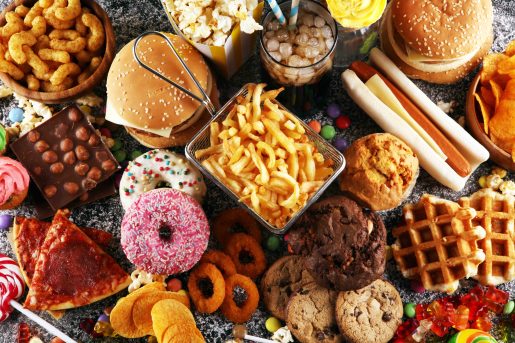 Junk food is not the enemy, according to a Baylor College of Medicine dietitian. A balanced diet involves intuitive eating rather than restrictive withholding.
To her patients, Lisa Froechtenigt, registered dietitian and bariatric program coordinator in the Michael E. DeBakey Department of Surgery, does not recommend eating sweet or salty snacks all the time; however, she doesn’t believe in the concept of “going cold turkey” when it comes to a balanced diet.
Prioritize the nutrients the body needs, she said, and try to be more factual about it than having an all-or-nothing mindset.
“When you tell someone they can’t have something anymore, they tend to want it more,” Froechtenigt said. “Rather than taking something away, think, what can we incorporate into their lifestyle to make it more intentional? Incorporate vegetables, protein, fiber, whole grains and see if they will still want to eat the junk food.”
She still encourages people to eat the fun foods though, especially when going out to eat or celebrating a birthday or holiday.
But how does one wean off eating fast food and snacks as their main sources of food, especially in a time of convenient food and grocery delivery? She tells her patients it’s important not to skip meals during the day, which could prompt them to overeat or eat not-as-filling or less nutritious snack foods in the evening.
A day-long caloric deficit is not unconditional permission to eat at night, she said. And if a person craves a midday cookie, eat the midday cookie.
“If we eat every three to four hours and get nutrients, but we still crave that treat, have it and your body will utilize those nutrients,” she said. “If we go too long without eating, we (feel as though we are) starving, and we will go toward foods that are the best tasting and quickly digest – a lot of chips and carbs.”
Higher-fat, salty and sugary treats can be problematic during long weekdays for workers, especially for those who tend to work through their lunch break. Carbohydrates are not bad to eat, but it takes more to fill up on them compared to vegetables and food high in protein and fiber, Froechtenigt said. It’s best to pair carbs with protein, fat, fruit and vegetable sources for a more satisfying meal and fullness level.
It may be helpful to set a timer for five minutes a few times a day to stop working and eat something. This will give the body and brain time to rest, recharge and take in nutrients needed to get through the workday.
And do not get caught up in “diet culture,” which can spur habits like only eating a certain number of calories per day or taking long breaks between meals.
“We want people to be intuitive eaters, and it’s hard to do that in constant go-mode,” she said. “Diet culture tells us to ignore hunger cues that our body gives us when we need fuel. That doesn’t mean fill it up with just anything but get a protein and maybe some carbs mixed in with that.”
That being said, the protein hype in American food culture has been high in recent months. And it’s possible to get too much of one nutrient, like protein.
“Our body can only absorb so much at one time; it’s the same with vitamin C,” Froechtenigt said. “You can get a good amount of protein from those products advertised with high protein, and our body will either store it, use it or try to get rid of the excess.”
It’s best to eat a balance of nutrients instead.
By Julie Garcia