Skip to content
Tuesday, July 14, 2026
Latest:
  • Growing up Baylor: Elizabeth Bosquez
  • New research sheds light on why food allergies develop in children
  • Genome editing in rats enables more accurate ER+ breast cancer models
  • What is alcohol use disorder?
  • Teamwork: An unexpected strategy bacteria use to survive antibiotics
Baylor College of Medicine Blog Network

  • Home
  • Momentum
    • About Momentum
    • Resources
    • Contributors
      • Taylor Barnes
      • Dana Benson
      • Molly Chiu
      • Julie Garcia
      • Graciela Gutierrez
      • Anna Kiappes
      • Aries Payne
      • Andy Phifer
      • Homa Warren
      • Melissa Tucker
    • Contact Us
  • From The Labs
    • About From the Labs
    • Follow From The Labs on Twitter
  • Policywise
    • About PolicyWise
    • Follow @BCMEthics on Twitter
  • The Stitch
    • About The Stitch
  • Progress Notes
    • About Progress Notes
    • Progress Notes Editors
    • Connect With Us
  • bcm.edu

structural biology

From The Labs

Researchers perform 3-D genome surgery on female’s silent X chromosome

September 6, 2016 Barr body,  DXZ4,  Genetics,  structural biology,  superloops,  X chromosome

Females have two X chromosomes in each of their cells. Fully unfolded, each copy is two inches long. One of these two X chromosomes is

Read More

From The Labs

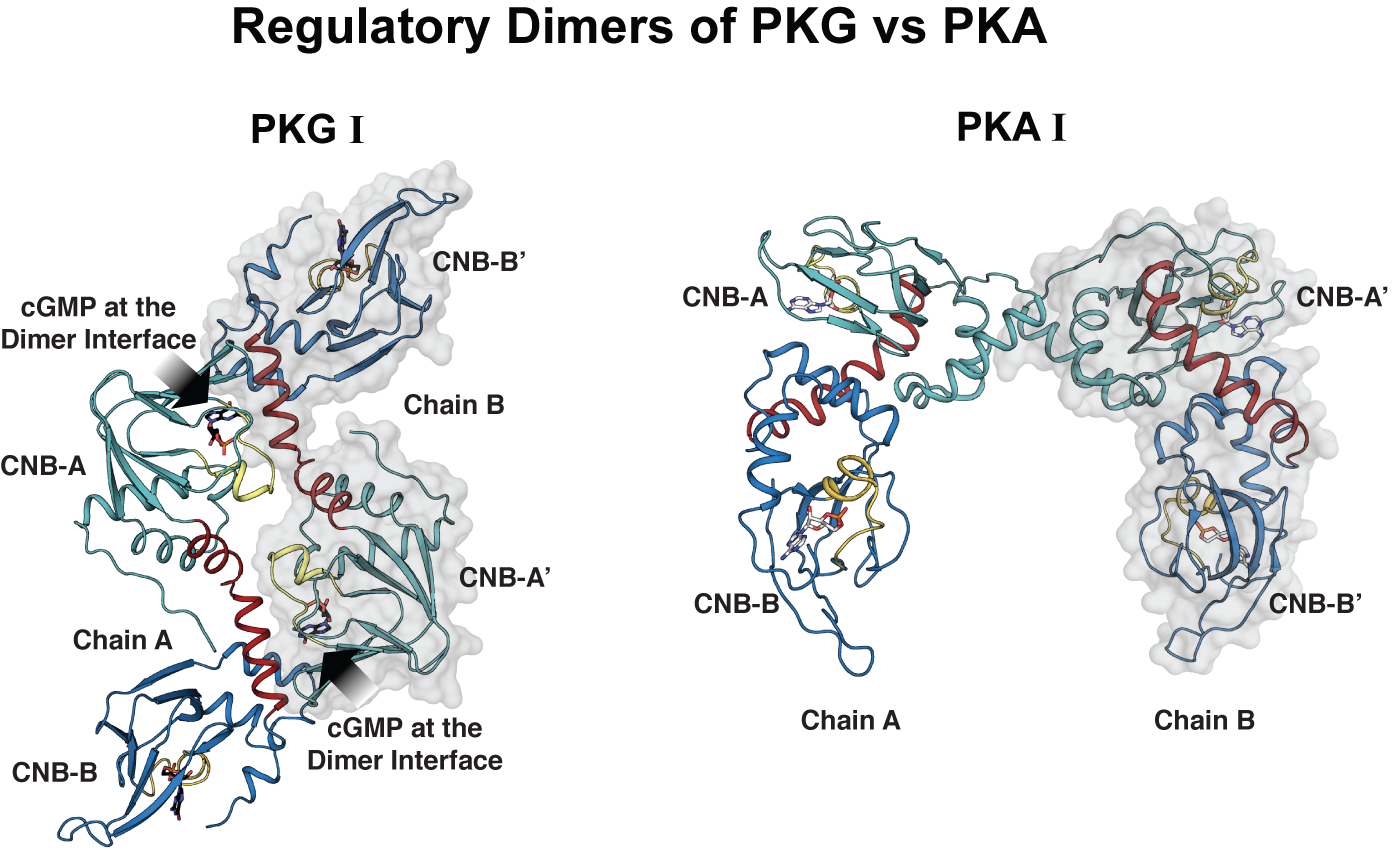
Crystal structure of PKGI suggests a new activation mechanism

May 11, 2016 Biochemistry,  heart disease,  structural biology

By Ana María Rodríguez, Ph.D. Kinases form a large family of proteins that seem to be involved in nearly every aspect of cell life. Faulty

Read More
From The Labs

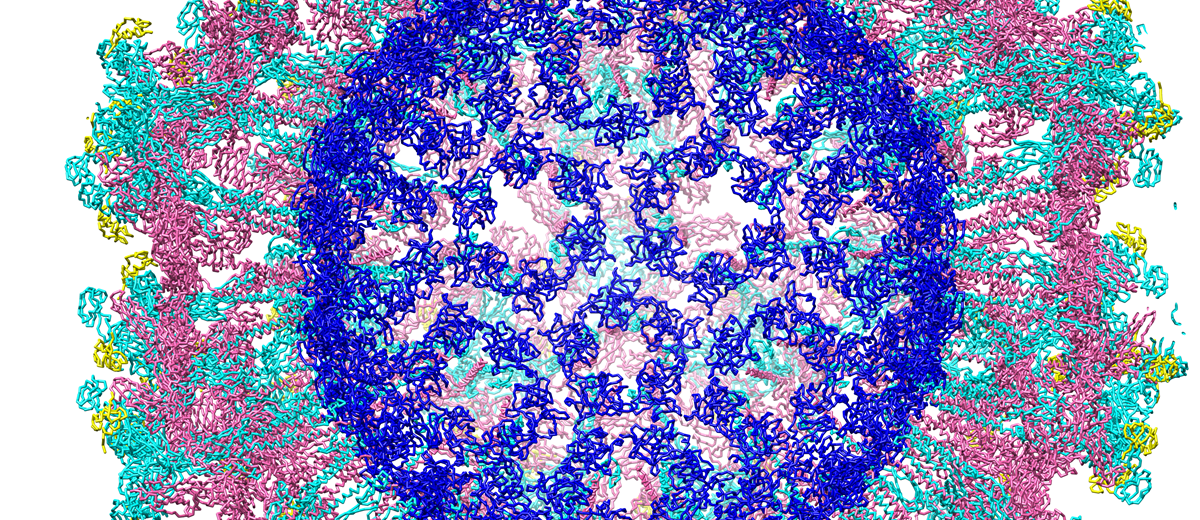
Image of the Month: Cryo-electron microscopy of Venezuelan equine encephalitis

December 2, 2014 encephalitis,  genome,  Infectious diseases,  Microscopy,  molecular biology,  structural biology
Read More

From the Labs: Image of the Month

two distinct neuronal populations in separate compartments of a microfluidic device. On the left, neurons express the 4R tau form (pink), which is associated with toxicity in Alzheimer’s disease, while on the right there are neurons from healthy individuals expressing normal tau (blue). In the central microgroove region of the device, neurons extend axons between the compartments. From the Labs: Tau travels between neurons

Healthy Habits: A DOC-umentary Series

https://www.youtube.com/watch?v=SlNiMWHUhbc

Archives

Search

©1998 - 2023 Baylor College of Medicine®
One Baylor Plaza, Houston, Texas 77030
(713) 798-4951