The crucial need for innovation in pediatric medical devices
When it comes to medical device innovation, children often are left behind. Pediatric medical devices lag as many as 10 years behind their adult counterparts.
Read More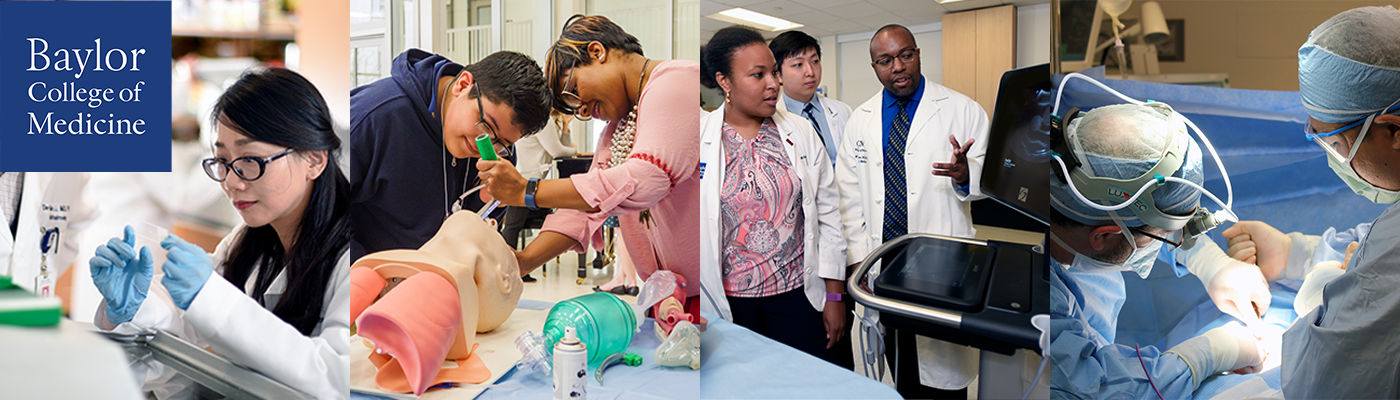

When it comes to medical device innovation, children often are left behind. Pediatric medical devices lag as many as 10 years behind their adult counterparts.
Read More
TULIPs are 3D genome features in PFA ependymoma that are not present in other types of pediatric brain cancer.
Read More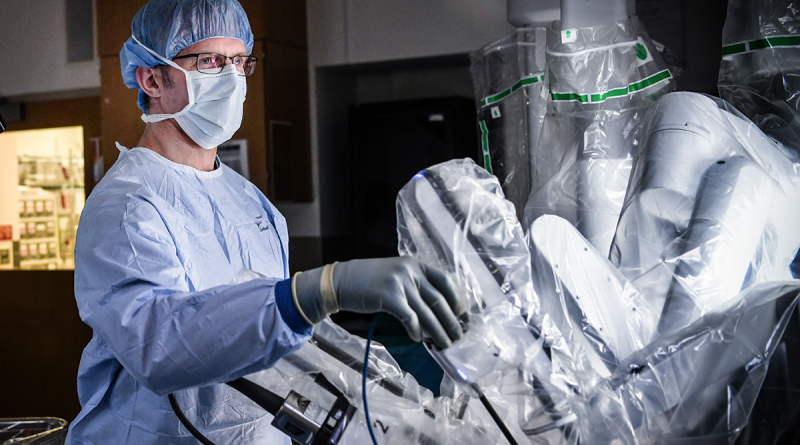
The capabilities of robotic-assisted surgeries expand, providing new possibilities for patient care and treatment outcomes.
Read More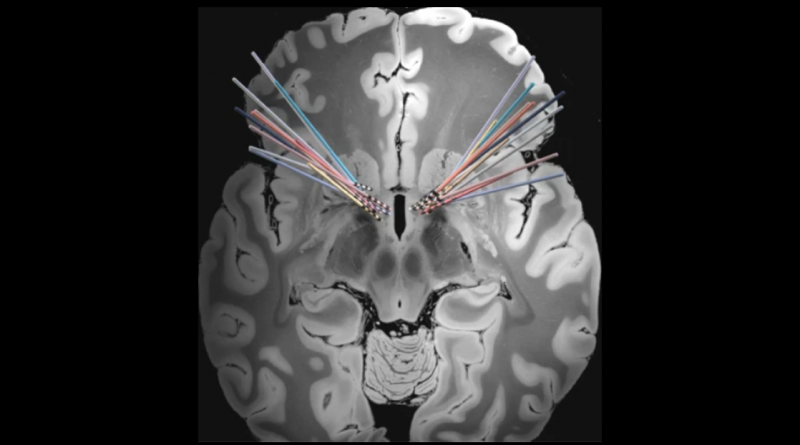
The findings could help demystify the process and make the therapy more accessible to a greater number of clinicians and patients.
Read More
The Translational Research Institute for Space Health is positioned to leverage top minds and research institutions in health and technology.
Read More
Interest in robotic surgery has steadily increased over the past two decades. However, conflicting information regarding its financial practicality and reimbursement has emerged. High healthcare
Read More
The novel strategy is sperm-specific, has minimal safety concerns and the effects are reversible in animal models.
Read More
Dr. Mohammad Hirzallah toggles between being an investigator in the Center for Space Medicine and providing neurocritical care for patients.
Read More
AIM narrows the differential genetic diagnoses down to a few genes and can potentially guide the discovery of previously unknown disorders.
Read More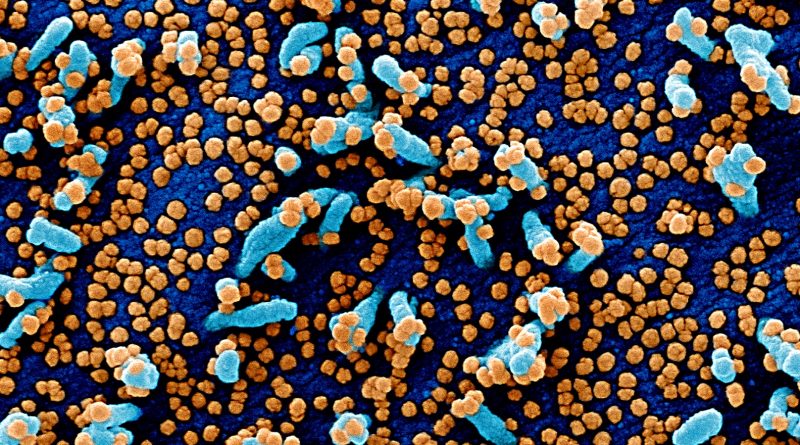
SARS-CoV-2 takes advantage of powerful biological mechanisms that allow it to evolve quickly, generating variants to adapt to and persevere in human populations.
Read More