High throughput microscopy zeroes in on new estrogen receptor regulator
A high throughput microscopy technique enabled Baylor College of Medicine researchers to identify a new modulator of estrogen receptor alpha that they called UBR5. It
Read More
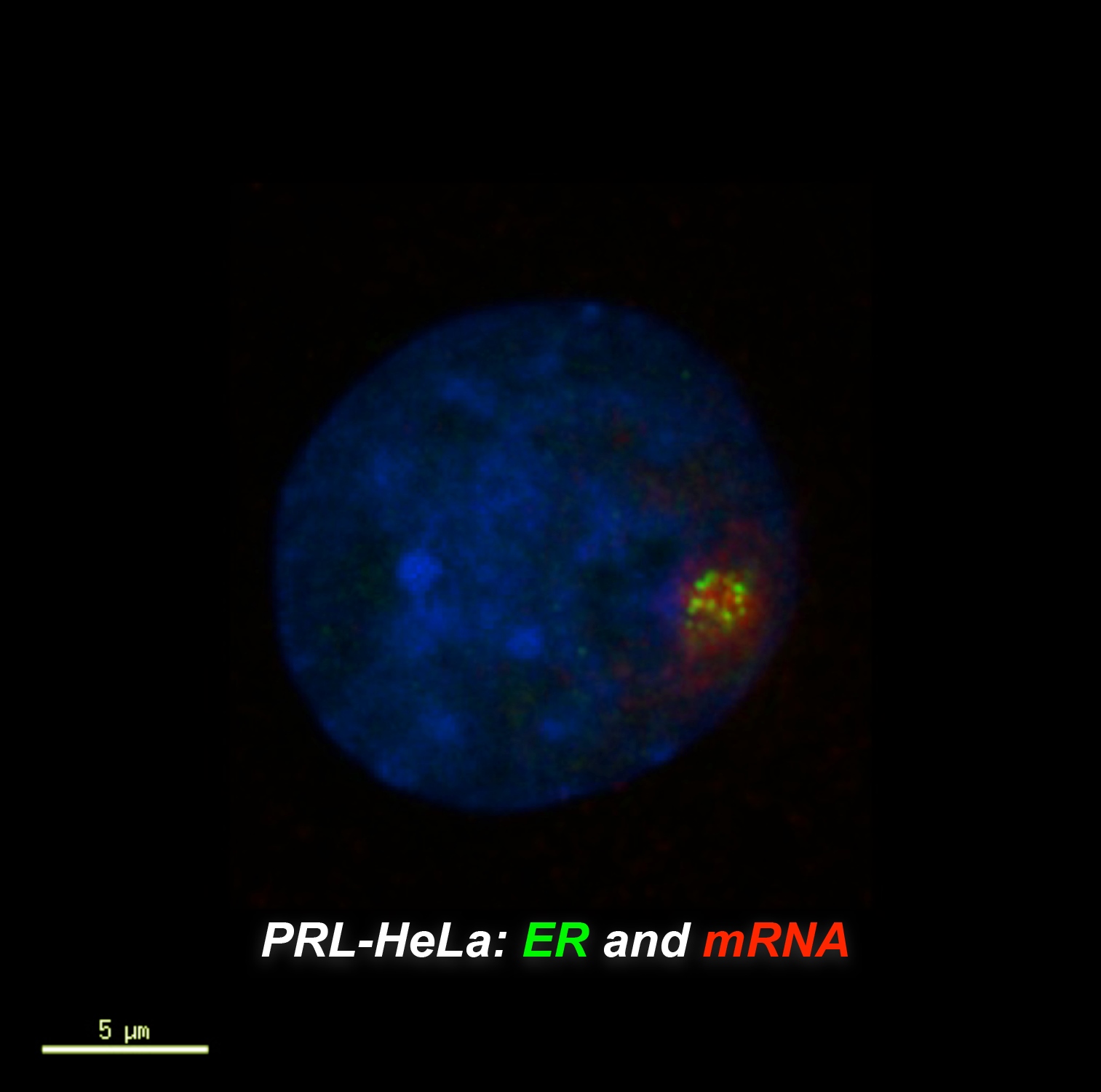
A high throughput microscopy technique enabled Baylor College of Medicine researchers to identify a new modulator of estrogen receptor alpha that they called UBR5. It
Read MoreBrenner receives Pediatric Blood and Marrow Transplant Consortium Lifetime Achievement Award Dr. Malcolm Brenner, center, has been named a recipient of the Pediatric Blood and
Read More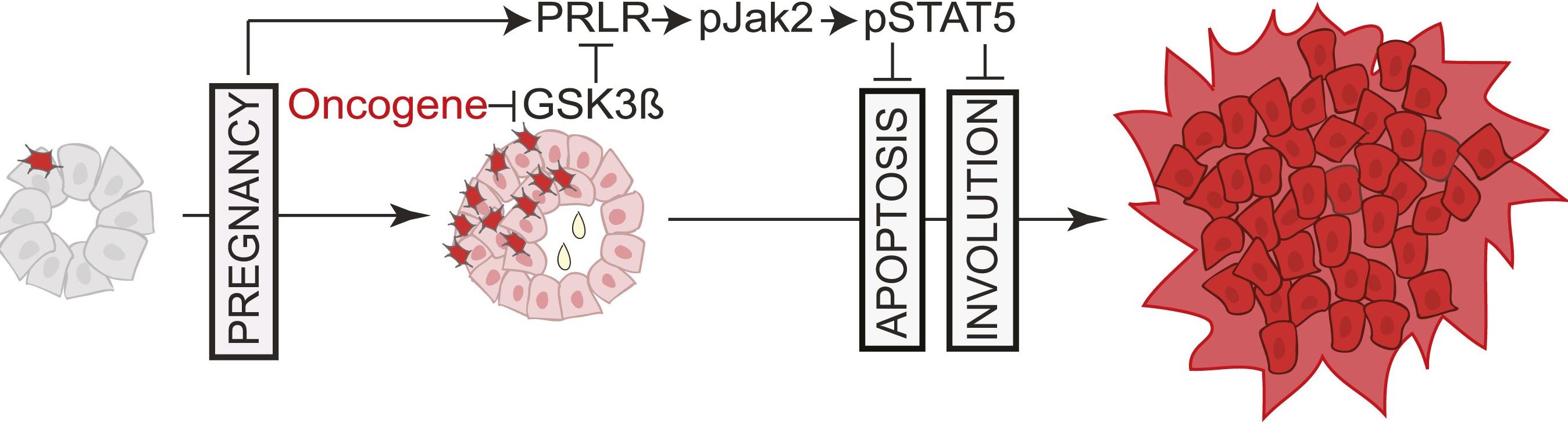
By Ruth SoRelle, M.P.H. For a long time, scientists and physicians have been plagued by a quandary. Women who had early pregnancies had a
Read More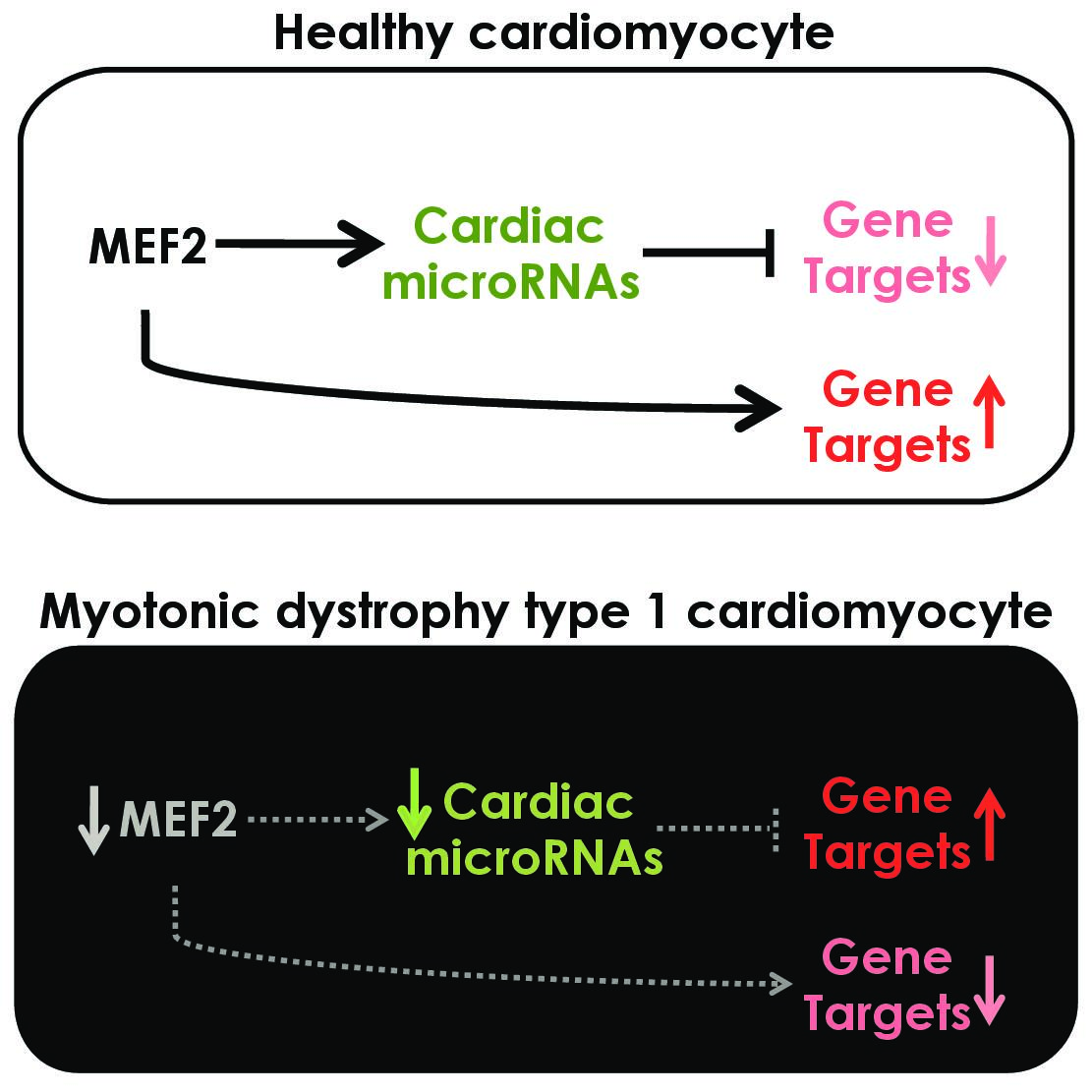
By Ruth SoRelle, M.P.H. The second most common cause of death in patients with myotonic dystrophy type 1, an inherited form of muscular dystrophy with
Read More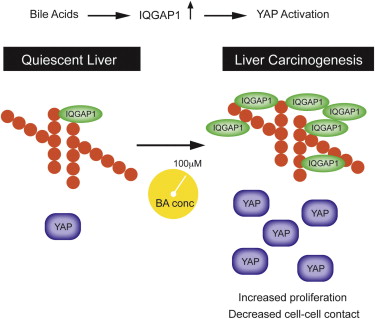
By Ruth SoRelle, M.P.H. The road to liver cancer starts with a pile-up — the toxic accumulation of bile acids that act as tumor promoters.
Read More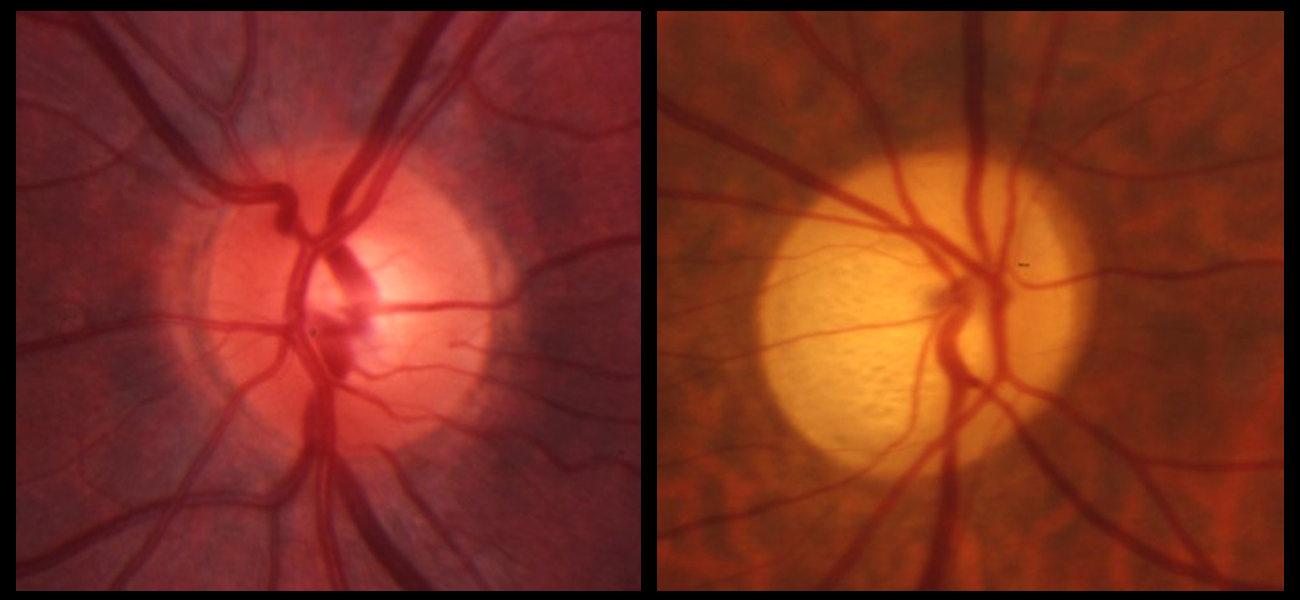
A 35-year-old mystery that had disturbed the patient and her family was finally solved with the expertise of a host of experts – most
Read More
From the Labs at Baylor College of Medicine will spotlight an image from the college’s researchers each month. Please submit your images to the publication
Read More
By Dr. Peter Hotez More than a decade ago, the Global Forum for Health Research, a Geneva-based international partner of the World Health Organization (WHO),
Read More