
Halt! Read this before hiking this summer
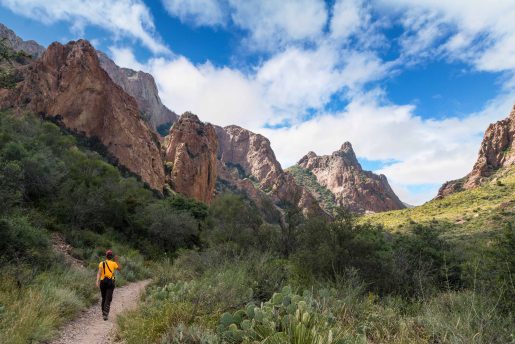 In Texas, not only is everything bigger but most activities require more planning, more resources and more water. That includes a day hike.
In the summer, temperatures can soar into the triple digits with mosquitos the size of small SUVS buzzing around. With this in mind, going for a hike – even if only for a few hours – requires forethought.
Dr. Katarzyna Kimmel, assistant professor of emergency medicine at Baylor College of Medicine, shares the essentials needed for a safe summer hike.
Question: In the Texas summer heat and humidity, what time of day should a person not go for a hike?
Answer: The highest-risk time for hiking is generally between 11 a.m. and 6 p.m., with the most dangerous period often being 2–5 p.m. when temperatures, solar radiation and heat index values peak.
Q: Are there exercises a person can do to prep for a long hike with altitude?
A: Walking hills, weighted hiking and strength training.
Q: What type of medical or other equipment should go in a person’s hiking backpack?
A: Here’s a checklist:
- Fully charged cell phone
- Portable battery pack
- Map or offline trail map
- First-aid kit
- Adhesive bandages
- Blister treatment (moleskin, hydrocolloid bandages)
- Antiseptic wipes
- Ibuprofen / acetaminophen
- Diphenhydramine (Benadryl)
- Anti-diarrheal medication
- Sunscreen (SPF 30+)
- Lip balm with SPF
- Cooling towel
- Lightweight long-sleeve shirt
- Sunglasses
- Headlamp (even for daytime hikes)
- Emergency whistle
- Emergency blanket
- Small flashlight backup
- Fire starter or waterproof matches
- Multi-tool or pocket knife
Q: How much food and water should a person pack for a three-hour hike? Any particular kind of food?
A: At least 1 liter of water for short hikes, and 2 to 4 liters for longer summer hikes. Also, bring electrolyte packets or tablets and high-energy snacks (trail mix, jerky, energy bars).
Q: What is the No. 1 concern that a healthcare worker has for someone who goes for a long hike in the woods or the mountains
A: Dehydration and / or heat exhaustion.
Q: What should a person do if they brush up against a plant and their skin starts to itch?
A: First, stop touching the area and avoid scratching and touching your face, eyes or other skin. Wash the area thoroughly with soap and cool water as soon as possible after removing contaminated clothing. Apply a cool compress to the area. Plant oils can remain on clothing, shoes, backpacks, pets and tools, so make sure to wash any affected items.
Q: Worst case scenario, a person goes off the trail and gets lost. How can they protect themselves health-wise until they are found?
A: First, stay calm, stop moving and assess your situation. Try to protect yourself from the elements and conserve water and energy. Make yourself easy to find by using a whistle (3 blasts) and a flashlight at night. Keep your phone on low-power mode and send texts if possible. Avoid unnecessary risks, such as difficult terrain or continued wandering.
By Julie Garcia