Elephant vaccine shows first signs of protection against deadly virus
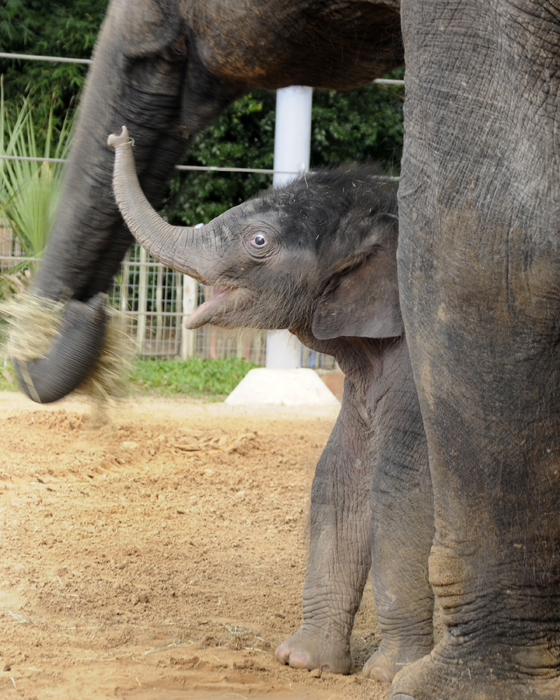
After more than 15 years of collaborative research, Baylor College of Medicine and Houston Zoo have reached a major milestone in the fight against elephant endotheliotropic herpesvirus (EEHV). The published the first peer-reviewed evidence that an experimental mRNA vaccine may help protect young Asian elephants from one of the deadliest diseases facing the species.
Two companion papers published in the Journal of Virology describe both the development and evaluation of the world’s first mRNA vaccine for elephants and the first evidence that elephants receiving this vaccination can withstand natural infection with EEHV1A without developing severe hemorrhagic disease.
The road to a successful vaccine

The research builds on a partnership established in 2009 between Houston Zoo and Baylor virologist Dr. Paul Ling following the loss of a young Houston Zoo elephant to EEHV. Over the years, the collaboration has led to major advancements in EEHV diagnostics, treatment protocols and prevention strategies.
A historic milestone occurred on June 18, 2024, when Houston Zoo’s Asian elephant Tess became the first elephant ever to receive the experimental EEHV mRNA vaccine. Houston Zoo elephants Winnie and Teddy also participated in the vaccine study.
“This milestone represents years of dedication by researchers, veterinarians and elephant care professionals determined to protect future generations of elephants,” said Lisa Peterson, president and CEO of Houston Zoo. “EEHV has been one of the greatest threats facing young Asian elephants, and these findings offer real hope and bring us one step closer to changing the future for elephants.”
The virus remains the leading cause of death in juvenile Asian elephants in North American zoos and poses an ongoing threat to elephant calves across Asia. While advances in early detection and treatment have saved lives, an effective vaccine has long been considered one of the most important missing tools in the fight against EEHV.
Two studies show vaccine efficacy
The first study evaluated a multi-antigen mRNA vaccine in nine Asian elephants at five zoological institutions, including Houston Zoo. Researchers found the vaccine generated sustained immune responses against key viral proteins.
A companion study provided the first evidence of clinical protection. Two vaccinated juvenile elephants at Cincinnati Zoo later experienced natural EEHV1A infection, remained clinically healthy, required no medical intervention and recovered without developing hemorrhagic disease.
“These studies provide the first published evidence that vaccination can induce protective immune responses against EEHV and may prevent the severe disease associated with primary infection,” said Ling, professor of molecular virology and microbiology at Baylor and member of the Dan L Duncan Comprehensive Cancer Center.
While additional research is still needed, this represents a significant step toward protecting vulnerable elephant calves from a disease that has challenged the elephant community for decades.”
What began as a research partnership between Houston Zoo and Baylor more than 15 years ago has evolved into a global effort to combat one of the greatest threats facing elephants. While these studies mark a significant achievement, the work is far from complete. Researchers already are developing next-generation EEHV vaccines for Asian elephants and exploring vaccine approaches for African elephants, bringing the conservation community one step closer to a future where more elephant calves survive and thrive.
Dr. Jeroen Pollet of Texas Children’s Hospital was a key collaborator, helping produce the first vaccine batch. Dr. Lauren Farris, a postdoctoral researcher in the Ling lab at Baylor, led much of the vaccine evaluation work. Additional collaborators included partner zoos Cincinnati Zoo and Botanical Garden, Fort Worth Zoo and Rosamond Gifford Zoo, along with Johns Hopkins School of Medicine. Funding for these studies was provided by Houston Zoo, the International Elephant Foundation and Colossal Biosciences.
For detailed collaborator lists, author contributions, affiliations and funding, and to read the publications, visit:
Evaluation of a multiantigen mRNA vaccine against EEHV1A in Asian elephants
By Graciela Gutierrez
Follow From the Labs on X, BlueSky and Instagram!