When school is interrupted by illness: Why screening matters
For children living with cancer and hematologic disorders, the start of a new school year can bring more than fresh notebooks and new teachers. It can bring anxiety, academic gaps, social isolation and uncertainty. Pediatric chronic illness disrupts far more than physical health. It affects developmental milestones, peer relationships, academic progress and a child’s sense of normalcy.
Healthcare teams are skilled at managing complex medical needs, yet even in comprehensive care settings, school-related challenges often remain under identified unless a family raises concerns. The Psychosocial Team at Texas Children’s Cancer & Hematology Center recognized that, while families were being connected to supportive resources, there was no systematic way to assess educational needs at the start of each academic year.
To address this gap, we developed the Back-to-School Screening Program, a practice-based intervention designed to proactively identify school-related needs among children receiving care for cancer and blood disorders. 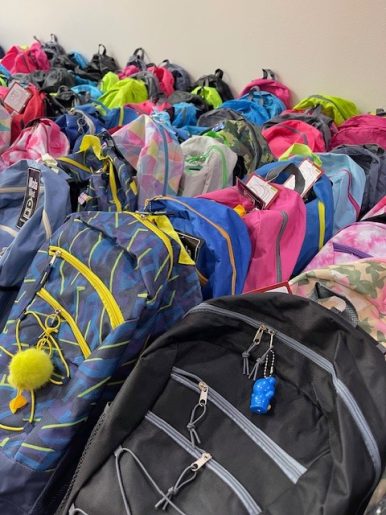
Building a structured approach
Launched during the COVID-19 pandemic, a time when academic disruptions were widespread, the program embedded a brief, structured screening process into routine psychosocial care. Using a descriptive mixed-methods evaluation design, we gathered:
- Quantitative data from psychosocial screening surveys.
- Service utilization metrics.
- Qualitative feedback from families and interdisciplinary staff.
Between 2020 and 2024, 1,193 families participated in the screening process. In 2025, we pivoted to a targeted approach, selecting families based on social determinants of health SDOH metrics.
The screening assessed:
- Access to technology and educational materials.
- School re-entry planning needs.
- 504 plans and Special Education Plans
- Communication barriers between healthcare and school systems.
- Psychosocial stressors affecting school participation.
- Resource needs (i.e., hearing aids, vision resources, food assistance).
Importantly, the screening did more than identify problems; it created structured opportunities for timely intervention and cross-sector collaboration.
What we learned
The results were encouraging and supportive of the program’s future growth. Families reported measurable improvements in educational preparedness and increased understanding of available school support. There was expanded access to educational materials and technology; improved coordination among healthcare, school and community partners; and strengthened collaboration between interdisciplinary medical teams and educators.
Embedding educational screening into pediatric psychosocial care demonstrated that school advocacy is not an “extra” service; it is an essential component of holistic pediatric care.
When we proactively identify barriers to school participation, we prevent small challenges from becoming long-term academic disruption. We also promote resilience by reinforcing a child’s connection to normal developmental environments.
A replicable model for practice and policy
The Back-to-School Screening Program offers a scalable, replicable model for other pediatric centers to apply to any chronically ill patient population. Scholastic stability directly influences long-term well-being, vocational outcomes and psychosocial adjustment. By integrating educational advocacy into routine care, healthcare systems can better support children not only in surviving illness, but in thriving beyond it.
As pediatric healthcare professionals, we are uniquely positioned to bridge the gap between medical treatment and educational continuity. When healthcare and schools communicate effectively, children with chronic illness are more likely to remain engaged, supported and hopeful about their futures.
School matters not just in terms of academics but also in terms of developmental and emotional well-being. By incorporating routine education-based screening within pediatric oncology and hematology care, we take an important step toward ensuring that no child’s academic journey is sidelined by illness.
By Michelle Fritsch, LCSW, senior clinical operations, Baylor College of Medicine Department of Pediatrics – Hematology & Oncology Psychosocial; Texas Children’s Cancer & Hematology Centers; Ashley Matthews, M.Ed. Texas Children’s Hospital, Mashal Kara, CCLS, MS, MA, Texas Children’s Hospital, Anastasia Deeter, LCSW-S, APHSW-C, OSW-C, Texas Children’s Hospital