The best foods for bone health
 Maintaining bone health is crucial as bone structure changes throughout life. The food you consume affects your bones, and a nutritious, balanced diet can help build strong, healthy bones. A Baylor College of Medicine dietitian details a well-rounded diet to keep bones strong.
Foods
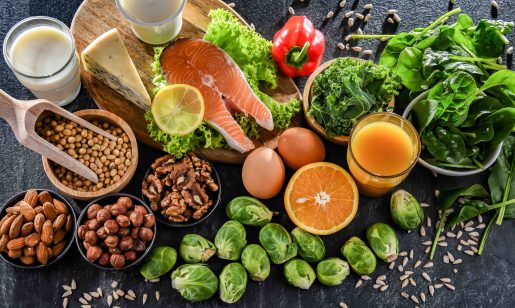
Dairy products, such as cottage cheese, yogurt, milk and cheese, are great resources for promoting bone health as they contain calcium, protein and potassium. Plant-based milk alternatives might have added calcium, but it is important to note that they are often low in protein. Green leafy vegetables like kale, broccoli and collard greens also are good sources of calcium. Other nutritious calcium products include edamame, soy milk and tofu (if calcium-set).
“Calcium is the primary component of the bone, so it offers strength and structure,” said Claire Edgemon, senior registered dietitian in the Weight Loss and Metabolic Center at Baylor.
Citrus fruits like oranges, lemons and grapefruits, as well as prunes, red bell peppers, strawberries, sweet potatoes and avocado contain vitamins and minerals beneficial for bone health.
Fatty fish is a strong vitamin D source, which is important for helping absorb calcium. This includes salmon, tuna and sardines.
Protein helps with bone formation, so any high-protein food sources like meats, eggs, beans, nuts, seeds (such as almonds and chia seeds) are beneficial.
Vitamins and minerals
Other than dairy products and leafy greens, fish that has bones in it, like sardines or mackerel, are rich in calcium. You also can get calcium from figs.
There are few naturally occurring food sources for vitamin D. Vitamin D is often added to dairy products, but is naturally occurring in fatty fish, as well as shitake mushrooms.
“Supplements give the best benefit if someone is known to be deficient in a particular nutrient, and at this time I don’t believe the research supports taking supplements to cover what may be lacking in the diet,” Edgemon said. “We don’t have a lot of good food sources for vitamin D, and most people are low in that nutrient, so you might want a supplement for it, especially if you don’t eat fatty fish or dairy products.”
Vitamin K helps with initial structure-building for the bones. Prunes, kale or other leafy green vegetables contain sufficient levels of vitamin K.
Magnesium promotes bone stiffness and helps absorb vitamin K. Magnesium-rich foods include figs, kale, sweet potato, tofu and dairy products.
Vitamin C helps make collagen, which is the initial structure for the bones. You can get vitamin C from orange juice, oranges, cranberries, berries, kiwi, peppers and tomato.
Anti-inflammatories like omega 3 fatty acids and polyphenols (plant compounds) can help reduce inflammation, which can assist with reducing osteoporosis and osteopenia. Anti-inflammatory foods include cherries, berries, chia seeds, sardines, fatty fish and olive oil.
Boron helps absorb magnesium and vitamin D. Eat prunes and avocados for sufficient boron.
“As long as you’re getting a variety of food sources, you can meet the recommendations for calcium, magnesium, vitamin C and vitamin K,” Edgemon said.
Detrimental ingredients
Sodium, which often is found in highly processed foods, can increase calcium loss, which can increase bone loss. Caffeine can increase calcium loss as well, so Edgemon recommends a moderate amount of caffeine, which is about three cups of coffee per day. Alcohol also decreases calcium absorption, which does not allow the body to pull in as much from food.
High intakes of sugar can increase inflammation, and inflammation increases osteoporosis and osteopenia.
Intolerance
If you have lactose intolerance, you might avoid dairy or have lactase tablets when you eat. You also can get calcium from lactose-free milks or dairy products. If you have a milk allergy, look for plant-based calcium options.
Those with any kind of absorption issues, such as in the small intestine, might not be absorbing as many nutrients beneficial to bone health. People who take high-dose antacids also might not absorb as much calcium since these antacids decrease stomach acid, which is needed to absorb calcium. In this case, you might consider supplementation under the guidance of a healthcare provider.
“You just need a well-rounded diet. Try to get in all those different options throughout breakfast, lunch and dinner. It’s easy to fit them in throughout the day,” Edgemon said.
By Homa Warren