Study shows epigenetic changes can drive cancer
Cancer has long been thought to be primarily a genetic disease, but in recent decades scientists have come to believe that epigenetic changes – which
Read More
Cancer has long been thought to be primarily a genetic disease, but in recent decades scientists have come to believe that epigenetic changes – which
Read MoreAlternative splicing (the process during gene expression that generates multiple proteins from a single gene) plays an important role in many developmental processes. In muscle
Read More
Synaptic plasticity, the ability of neurons to strengthen or weaken their connections, makes up the cellular basis of learning and memory formation. High neuronal activity
Read More
Dr. Koen Venken has been named the newest McNair Scholar at Baylor College of Medicine. Venken is an emerging scientist whose work focuses on the
Read More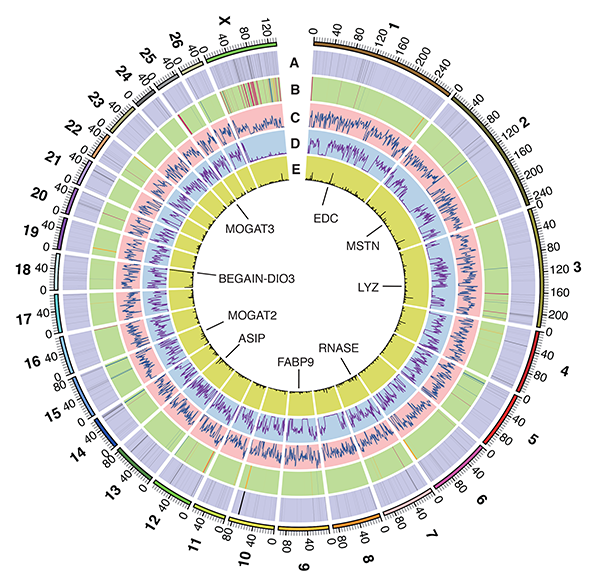
Ever wonder what a genome looks like? While it might be impossible to see with the naked eye, an international consortium of researchers, including the
Read More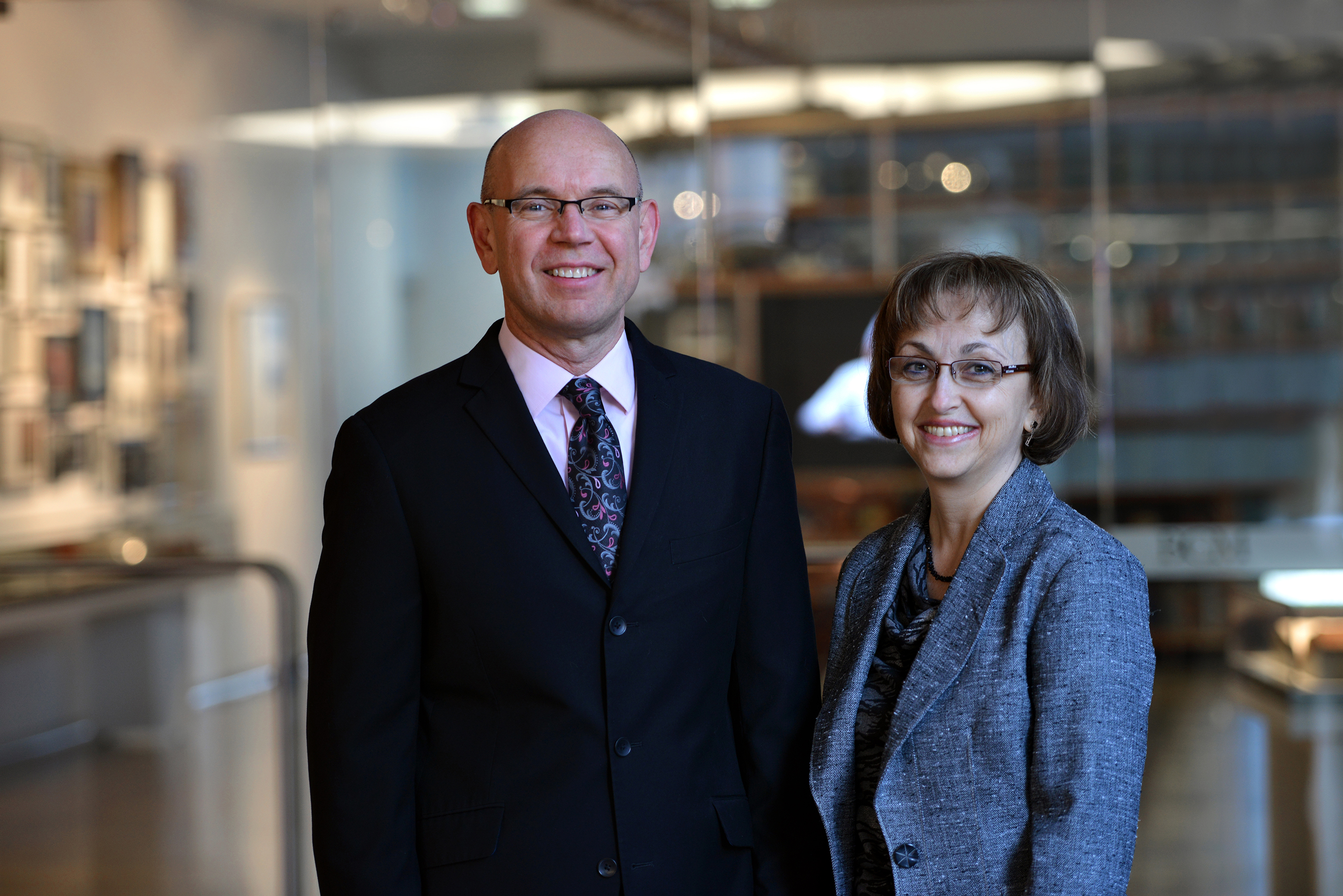
Dr. Dora E. Angelaki, professor and Wilhelmina Robertson Chair in Neuroscience, and Dr. Martin M. Matzuk, director of the Center for Drug Discovery and vice
Read More
Baylor College of Medicine scientists defined a previously unrecognized genetic cause for two types of birth defects found in newborn boys, described in a report
Read More
Numerous studies have linked exposure to bisphenol A (BPA) in plastic, receipt paper, toys and other products with various health problems, from poor growth to
Read More
We are not alone. With us at all times from conception on, is the microbiome – a collection of microbes made up of bacteria, viruses,
Read More
Dr. William R. Brinkley, dean emeritus of the Graduate School of Biomedical Sciences and distinguished service professor in the department of molecular and cellular biology
Read More