Sole searching: How to find the best shoes for your marathon
 Choosing the right shoe is crucial for marathon training. Every foot is different, but key factors make a running shoe adequate for long-distance running. Experts in the Joseph Barnhart Department of Orthopedic Surgery at Baylor College of Medicine discuss how to find the best shoe for running marathons.
Q: What features should you look for in long-distance running shoes?
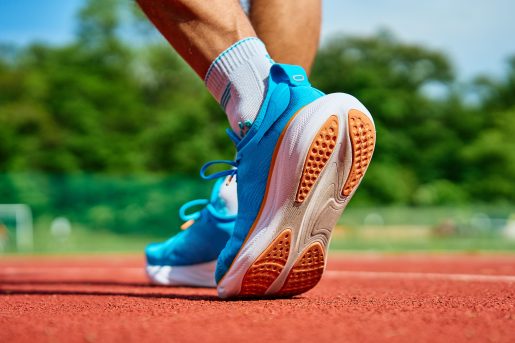
Dr. William Granberry: First look at the shoe from the side profile to see if there is a contour to it like a rocker bottom, which is most supportive when it comes to long-distance running. The shoe must be supportive with a stiffer sole. Try to bend the shoe – the stiffer the shoe, the better. People tend to get shoes that are too snug because that’s what seems to fit better, but when you’re running long distance, you get into trouble with the shoe rubbing against the toes.
Make sure the shoe fits well and doesn’t rub your foot the wrong way, or else that can lead to blisters.
Dr. Esther Jonas Nagler: Running shoes for long-distance running need to have a lot of cushioning, comfort and durability. They should feel comfortable right away. There should be no pressure points and feel comfortable and roomy in the toe box and secure in the heel. Some popular sneakers have a rocker-type sole, which a lot of runners prefer for long-distance comfort and efficacy. Your foot type also plays a role in the type of running shoe you select, so it’s best to go to a store specializing in running shoes for a good fitting.
Q: How many miles should you put on your running shoes?
Granberry: If you’re running regularly, you might run between 10 and 30 miles per week. I usually suggest people get new shoes every six months if they run regularly.
Jonas Nagler: Usually, you should change your shoes every 300 to 500 miles depending on if you do a lot of long-distance running.
Q: How many pairs of shoes will you go through during training?
Granberry: Once you find shoes that work, use the same shoes. Don’t buy a brand-new pair a week before the marathon.
Jonas Nagler: I recommend having at least two pairs of sneakers that work for your feet and alternate wearing them on runs. You probably go through at least three pairs of shoes during marathon training.
Q: What are signs you need new shoes?
Granberry: The goal is to prevent injuries, so a well-accommodated shoe that you have used for a while is the best thing. Shoes that break down or become cracked or flimsy are weak and should be replaced. Speed is the second goal, and many modern running shoes have a SACH heel where the heel sticks out behind, which helps gain energy and pushes back as the heel comes off the ground, so you get some energy back from that.
Jonas Nagler: Once you have aches and pains, it’s best to get a new sneaker.
Q: Is it necessary to get the top dollar running shoe?
Granberry: You shouldn’t skimp and buy cheap shoes if you’re running a marathon. Some shoes are more expensive than others due to the quality of the materials that go into them. Some shoes with just foam under the sole are not as well-made and are not chemically the same as some at a higher price point. Those shoes have different features that require higher quality materials, which cost more.
The SACH heel, which reduces shock at heel strike, is a great feature that might be on a higher-priced shoe. Some shoes have a carbon fiber or stiff midsole, which doesn’t allow the shoe to bend very much, protecting your foot. These features might make shoes $50 more expensive.
Q: What are the best fabrics to wear while running?
Granberry: Clothing that can wick away sweat quickly is important because if you start sweating and slow down, you can get cold. Cotton hangs onto all the sweat and is very heavy, so wear synthetic fibers. Synthetic materials for shoes also are best. I suggest wearing a very thin anklet sock that is tight enough so it doesn’t rub on your skin, then wear a sock over that to protect your foot from the shoe and sweat. Different parts of the body might be prone to chafing, so get products to rub onto the skin for prevention.
Jonas Nagler: If it’s raining, a pair of Gore-Tex-treated sneakers are great, but they get warm in hot weather. Most running shoes are mesh, making them lightweight and breathable.
Dr. William Granberry is an orthopedic surgeon and associate professor at Baylor. Dr. Esther Jonas Nagler is a podiatrist and assistant professor at Baylor.
By Homa Warren