Epigenetic conservation makes mouse a valid model for brain studies
By Ruth SoRelle, M.P.H. Epigenetic processes, which determine which genes can be expressed in different cell types, are central to biology and medicine. For at
Read More

By Ruth SoRelle, M.P.H. Epigenetic processes, which determine which genes can be expressed in different cell types, are central to biology and medicine. For at
Read More
By Glenna Vickers Babies born with a rare bone disorder known as osteogenesis imperfecta do not have fewer bone fractures at birth when delivered surgically
Read More
By Dana Benson A genetic mutation associated with clear cell sarcoma of the kidney that has opened a new path of research and could point
Read MoreWhen the seasons change, it is time to move on.
Read More
By Ruth SoRelle, M.P.H A rose might be a rose, but fat is not always what it seems. White fat cells
Read More
By Graciela Gutierrez Billions of neurons in the brain are linked through trillions of synaptic connections, and although disentangling this wiring may seem like mission
Read More
By Julia Parsons When mice usually used in studies of genetic disease lack a copy of the jagged gene (Jag1), they have many of the
Read More
By Ruth SoRelle, M.P.H. For 15 years and more, Dr. Huda Zoghbi, professor of molecular and human genetics at Baylor College of Medicine, and director of
Read More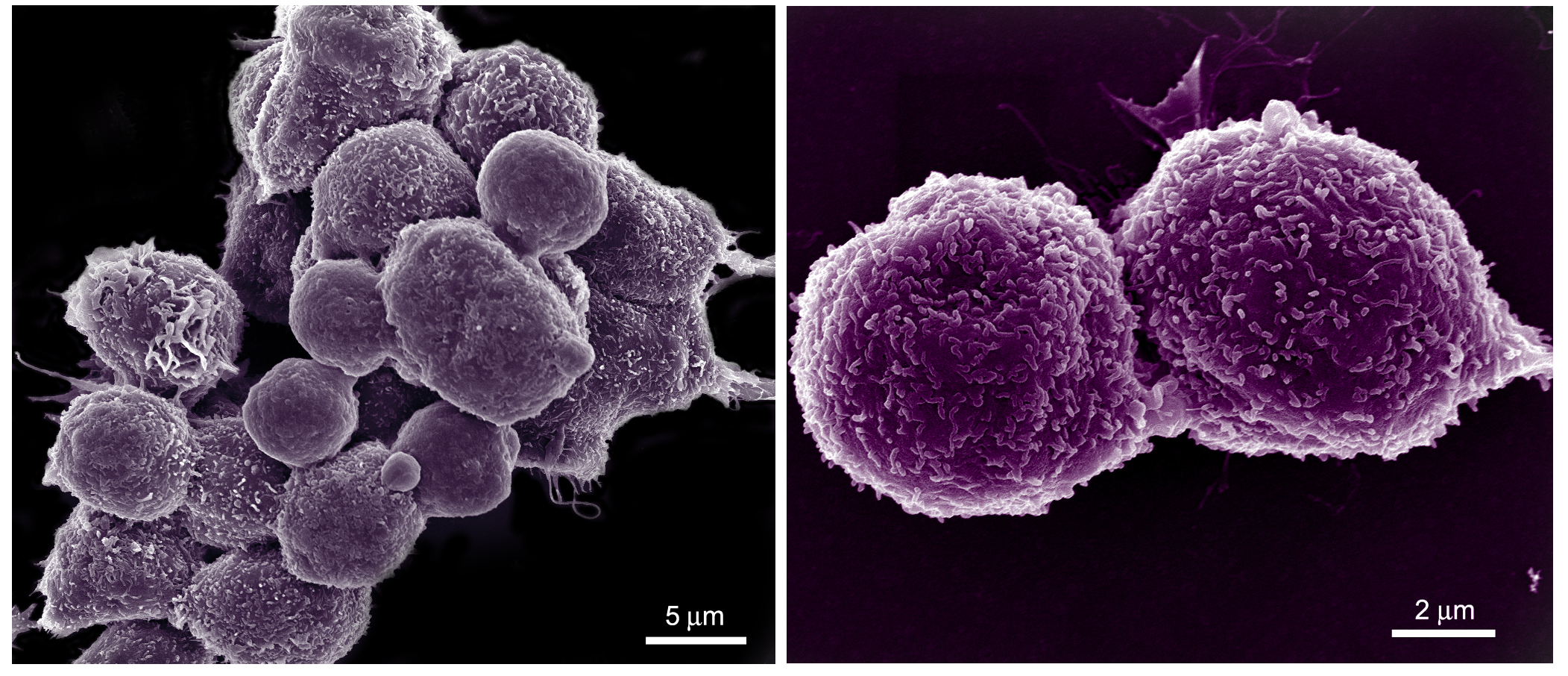
Mouse mammary carcinoma 4T1 cells in pseudo-colored scanning electron micrographs. These mouse breast tumor cells (shown in these pseudo-colored scanning electron micrograph, are used to
Read More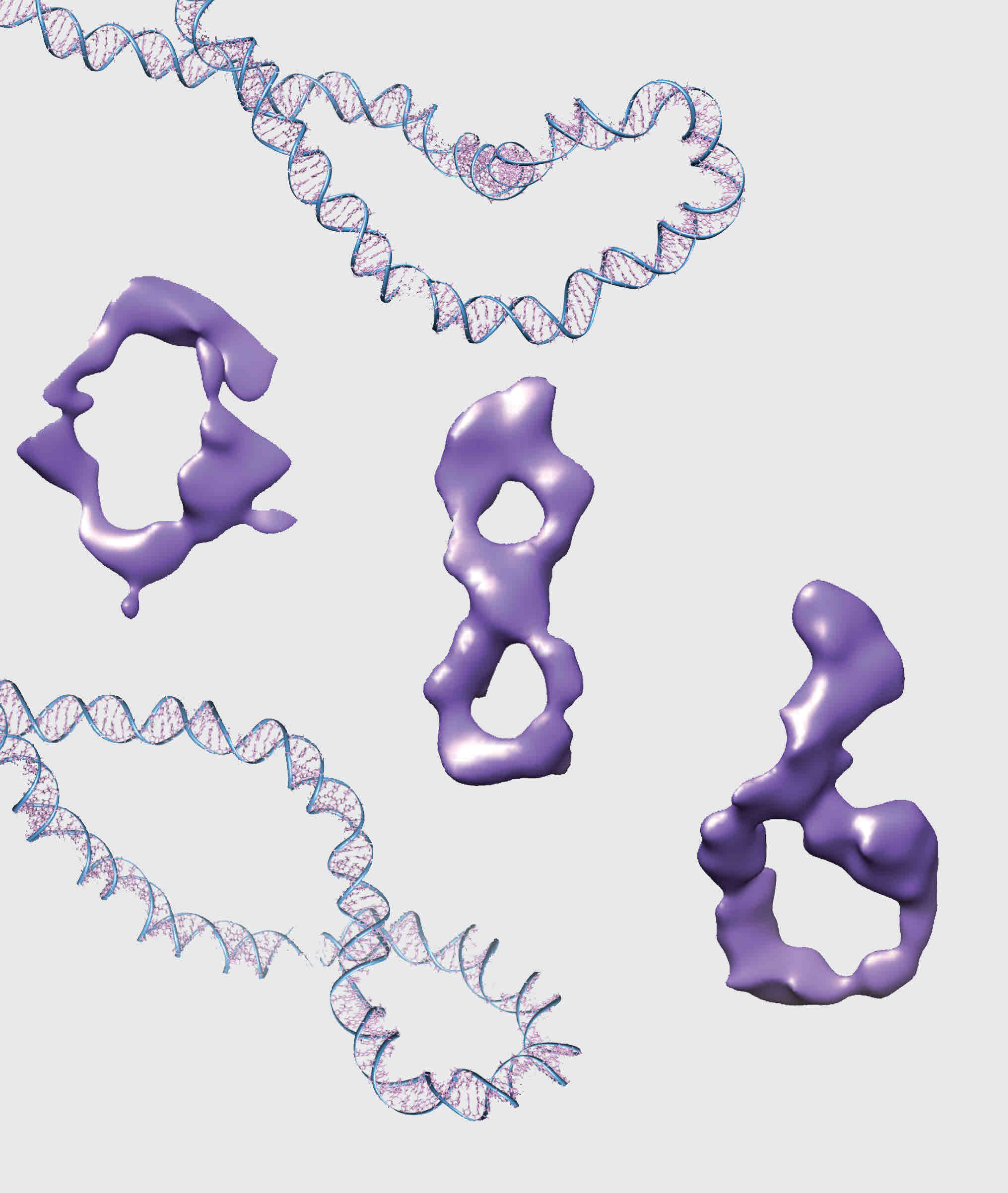
By Ruth SoRelle, M.P.H. Using a multidisciplinary approach, researchers, led by those at Baylor College of Medicine, revealed in unprecedented detail the three-dimensional structure of
Read More