Building technologies to predict response to therapy in pediatric acute myeloid leukemia

Cancer patients often ask: Will cancer return after treatment? In the case of pediatric acute myeloid leukemia (pAML) most patients recover after chemotherapy; however, in more than 40% of patients the disease comes back, including nearly 30% considered low risk for relapse after their initial treatment. Looking to improve these sobering outcomes, researchers at Baylor College of Medicine, Texas Children’s Hospital and collaborating institutions have been developing new technologies to help anticipate the risk of cancer returning. The team published their results in Nature Communications.
Researchers know that a small number of cancer cells frequently survive treatment and regrow, causing the disease to return after a seemingly complete recovery. In the current study, the team explored ways to identify those resistant cells before treatment with the goal of eliminating them to prevent cancer from returning.
From the Labs sat with the corresponding authors of the study, Drs. Michele S. Redell and Pavel Sumazin, and co-first authors, Drs. Alexandra M. Stevens and Mohammad Javad Najaf Panah, to learn more about this promising work.
FTL: Why did you decide to study this topic?
Sumazin: Pediatric acute myeloid leukemia is one of the deadliest pediatric cancers. Once the cancer returns, treatment options are limited and outcomes are poor. Being able to predict relapse before it happens could transform care, but this remains a major challenge.
We believe the technologies we’ve developed over the past few years might help address this gap, and this work presents evidence that we can improve relapse prediction.
Redell: Dr. Sumazin and I started developing the idea to use single cell technologies to identify rare chemotherapy-resistant leukemia cells around 2019 with the goal of predicting the risk of relapse. I had no idea the project would go as far as it did.
Stevens: I’m very passionate about caring for and improving treatments for children with leukemia. In pAML, identifying cancer cells that survive treatment and how they survive are the first steps toward preventing relapse.
FTL: How did you work as a team on this study?
Redell: My role initially was to obtain clinical samples and help write the grant that funded the project. Over the next several years, I met with Dr. Sumazin and his team weekly to look at the data. In those meetings, my role was to provide clinical context and ensure that the questions we asked from the data were relevant to children with AML.
Stevens: I collected the leukemia blood samples from children and families that consented to participate in research and tested them in the laboratory, both in petri dishes and in mice. I also collected information that could be analyzed with advanced computer systems to learn about how a few cancer cells are able to survive chemotherapy with the ultimate goal of targeting those mechanisms of resistance.
Najaf Panah: My contribution was to characterize chemo-resistant cell populations in our patients and investigate how these cells could improve our ability to predict relapse and identify patients who may benefit from more targeted treatments.
Sumazin: I served as the drill sergeant: critically evaluating results and pushing the team to overcome each successive obstacle. This paper was more than five years in the making, with related findings and tangential projects published along the way. We hope this work will serve as a springboard for even more exciting translational and clinical research.
FTL: What were your main findings?
Sumazin: We found that technologies capable of molecularly and clinically characterizing pAML cells can be used to build a reference atlas to identify cancer cells associated with favorable and poor outcomes at diagnosis.
We showed that the detection at diagnosis of rare populations of pAML cells that are resistant to chemotherapy and have been associated with relapse can dramatically improve patient outcome prediction.
Using the same technologies, we can infer the presence of adverse cells from standard clinical assays, improving relapse prediction.
We also show evidence that these approaches can identify undertreated patients. Physicians can re‑stratify these patients – re-evaluate and update their risk category based on these new medical data – and optimize their therapy by using existing treatments already approved for pAML. This approach could substantially improve outcomes by leading to potentially more effective, less expensive and less toxic therapeutic directions.
In our retrospective analysis, nearly half of the patients who were classified as lower risk, but who ultimately died of the disease, could be identified by our methods. We also demonstrated that detecting cell characteristics associated with poor outcomes can guide more effective personalized treatment strategies for certain high‑risk patients.
FTL: What do the findings mean for the field or potential clinical applications?
Redell: We were able to use the genetic features of the chemotherapy resistant populations to predict their sensitivity to other drugs, and we confirmed it with lab experiments.
Sumazin: We are hoping that our proposed technologies and strategy for predicting relapse could translate to improved care. The next step is to evaluate our approach in a larger group of individuals. If we find that it works well in a follow-up study, then we could evaluate it in a clinical trial. We are also interested in developing new cures and could continue exploring this direction in follow-up studies.
FTL: What are you most excited about the results of the work?
Sumazin: I am excited about mapping out the possible paths of pAML initiation and progression and investigating whether these paths are essentially countless or only few. Given the comparatively low genetic complexity of pAML, I hoped that we could provide a useful starting point for answering this question.
Najaf Panah: I was most excited that we could use the molecular information of chemo-resistant cells to improve risk prediction for children with AML. By identifying patients at a particularly high risk of relapse, this work brings us closer to more personalized treatments and, ultimately, better outcomes for children.
Stevens: It is exciting that by identifying mechanisms by which these cancer cells survive we can potentially eradicate them and reduce the risk of relapse.
Redell: The fact that we could identify tiny populations of cells in pre-treatment bone marrow that predicted relapse could occur months or years later has been very exciting and provocative.
We found similar populations in bone marrow samples sequenced by other labs, and even in some mouse models of chemotherapy resistant AML. We hope our work will lead to more successful treatment approaches for children with AML.
FTL: Thank you!
Interested in learning more about this study? Read the publication, here.
Researchers’ affiliations:
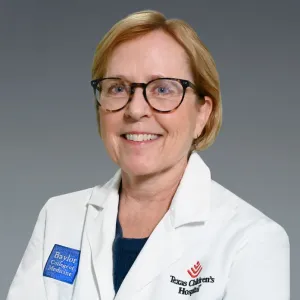
Dr. Michele S. Redell, professor of pediatrics, Division of Hematology-Oncology at Baylor and associate director, Leukemia Program at Texas Children’s.
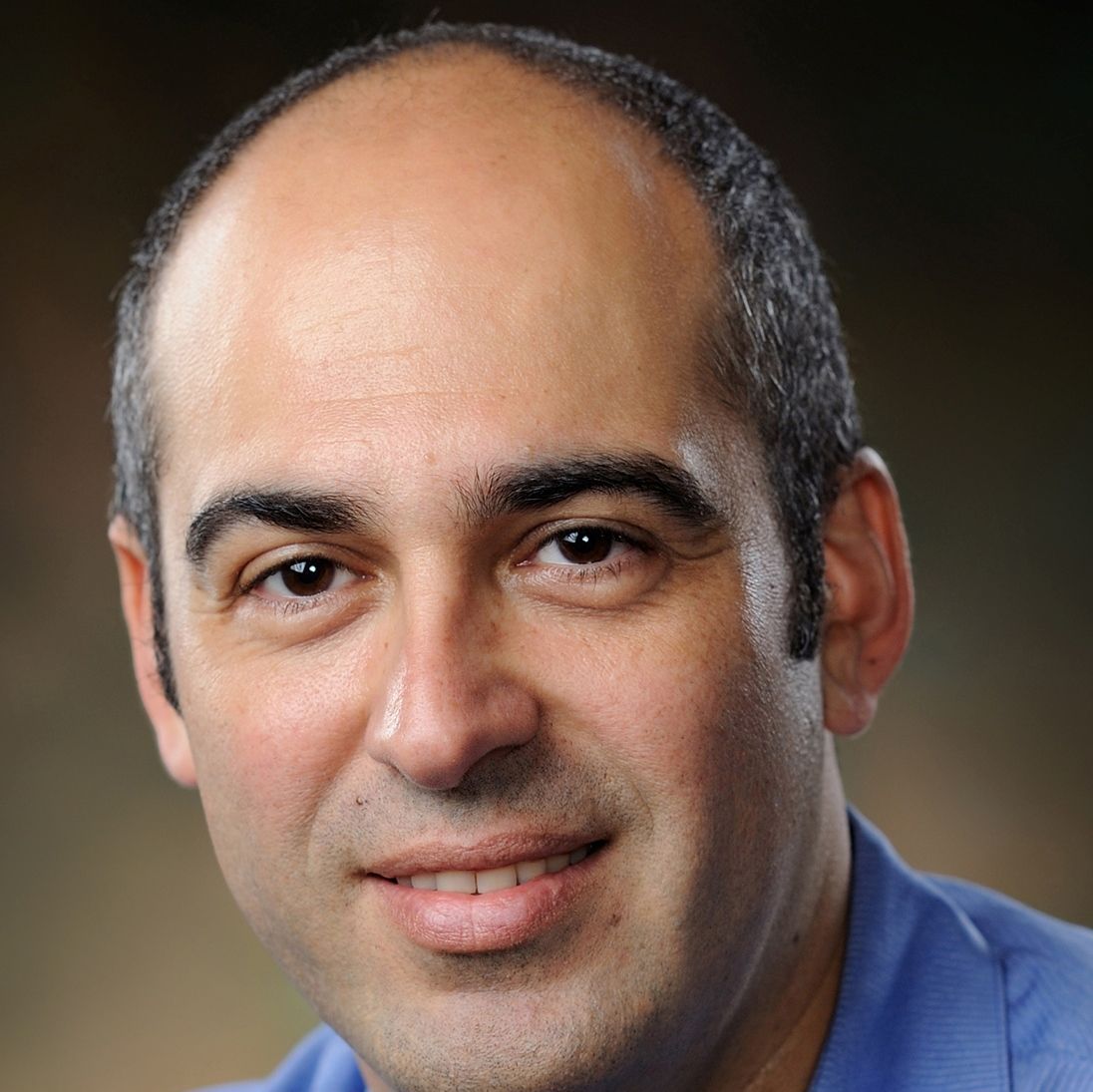
Dr. Pavel Sumazin, professor of pediatrics and member of the Dan L Duncan Comprehensive Cancer Center at Baylor.
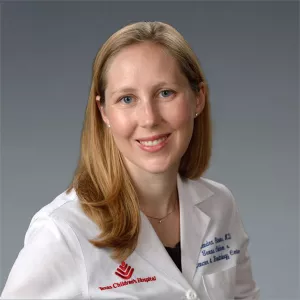
Dr. Alexandra M. Stevens, associate professor of pediatrics, Division of Hematology-Oncology at Baylor and associate director, Leukemia Program at Texas Children’s.
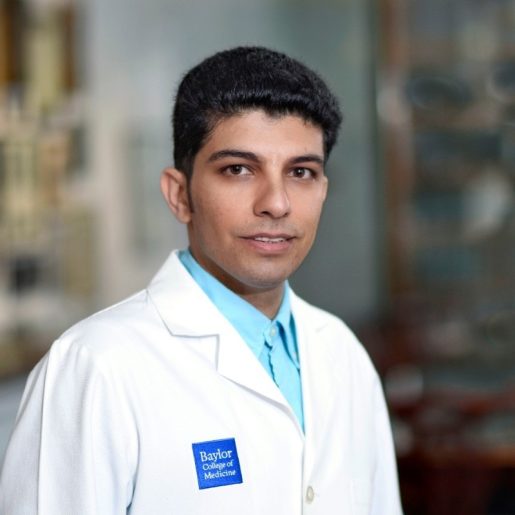
Mohammad Javad Najaf Panah, research associate in the Sumazin lab.
Follow From the Labs on X, BlueSky and Instagram!
Would you like to receive From the Labs via email?
Follow this link.