Precision animal modeling reveals a spectrum of features in AXIN2-related disorders

In a study published in Genetics in Medicine, researchers at the Center for Precision Medicine Models at Baylor College of Medicine describe five individuals with a new form of AXIN2-related disease. Below, co-corresponding authors Dr. Lindsay Burrage and Dr. Jason Heaney, both associate professors of molecular and human genetics, and first author Nathalie Aceves-Ewing, a graduate student in the Genetics and Genomics Program and the Burrage Lab, answer questions about the major findings of this work.
Q: What is the background of this research? Why did you choose to study this topic?
A: Many children and adults with rare genetic conditions spend years searching for a diagnosis. Even when genome sequencing identifies a possible disease-causing DNA change, it can be difficult to determine whether that change is truly responsible for a person’s symptoms. The Center for Precision Medicine Models was created to help solve this problem by using specialized mouse and fruit fly models to test genetic variants found in patients.
This study began when clinicians identified a child with a previously unreported change in the AXIN2 gene. The child’s symptoms did not fully match the genetic conditions already known to be associated with AXIN2.
Initially, we were unable to find other patients with similar variants in AXIN2. As a result, we used precision animal models to determine whether these variants were disease-causing and to better understand how they affect development. During our work, we collaborated with clinicians, geneticists and researchers around the world to identify additional patients with similar AXIN2 variants.
Q: What are the major findings of your study?
A: The study identified a newly recognized form of AXIN2-related disease. Researchers found five individuals carrying rare, spontaneous variants in a specific region of the AXIN2 gene. In addition to features already associated with AXIN2, such as missing teeth and increased risk for colorectal cancer, these individuals also experienced developmental delays, small head size, limb abnormalities, eye defects and other birth defects (also referred to as congenital anomalies).
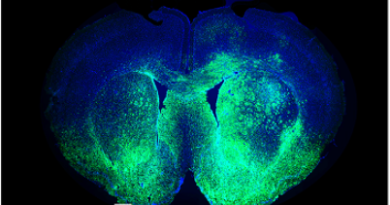
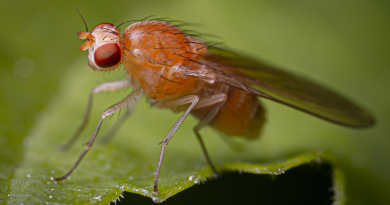
To confirm that these variants were responsible for the disease, the team created precision mouse and fruit fly models carrying the same genetic changes seen in patients. The mouse models developed abnormalities that closely resembled those observed in affected individuals, including palate and skeletal defects. Studies in fruit flies showed that the variants altered an important developmental signaling pathway known as Wnt signaling.
Together, these experiments provided strong evidence that these AXIN2 variants cause disease and define an expanded spectrum of AXIN2-related conditions.
Q: What are the implications of your findings on the field? How might your findings impact future clinical care?
A: The findings expand our understanding of the medical problems that can be caused by AXIN2 variants.
Previously, AXIN2 disorders were primarily associated with missing teeth and an increased risk of colorectal cancer. This study shows that certain AXIN2 variants also can lead to developmental and congenital abnormalities affecting multiple organ systems.
For patients and families, this can help provide answers after a long diagnostic journey and improve genetic counseling.
The findings also suggest that individuals with these newly identified AXIN2 variants should be considered for colorectal cancer surveillance because one adult participant developed colon cancer and numerous colon polyps.
More broadly, the study demonstrates a new strategy for developing precision animal models that can help determine whether newly discovered genetic variants cause severe pediatric disorders and diseases, such as birth defects. This approach can improve the interpretation of genomic testing results, facilitate a precise genetic diagnosis, allow for appropriate medical surveillance and facilitate genetic counseling for families.
Q: What will you be studying next, now that you have made these findings?
A: Our next goal is to better understand exactly how these AXIN2 variants alter cellular signaling and development. We plan to investigate how the variants change the stability and function of the AXIN2 protein in different tissues and developmental stages.
We are also interested in understanding why the same genetic pathway can lead to different effects in different parts of the body.
In addition, we will continue using precision animal models to study rare disease variants submitted by clinicians and researchers worldwide. These models not only help validate disease-causing variants but also create opportunities to test potential therapies and identify new approaches for patient care.
Q: Anything else about the Center for Precision Medicine Models that you would like to share?
A: The Center for Precision Medicine Models brings together clinicians, genetic counselors, bioinformaticians and experts in mouse and fruit fly genetics to tackle complicated rare disease questions.
The Center accepts nominations of disease-associated variants from researchers, clinicians and patient advocacy groups and creates precision animal models to help determine whether those variants cause disease and how they do so.
Since its launch, the Center has received more than 180 variant submissions from investigators across the United States and internationally. Its work has contributed to new disease gene discoveries, expanded understanding of known genetic conditions, and supported efforts to develop future therapies. The AXIN2 study is an example of the Center’s mission in action: connecting observations from patients to animal models and then translating those discoveries back to improve diagnosis, counseling and care for families affected by rare genetic diseases.
Anyone interested in submitting a variant for modeling can visit our website (www.bcm.edu/cpmm) and complete our online nomination form.
See the publication for a full list of authors, their affiliations and funding for this work.
By Molly Chiu
Follow From the Labs on X, BlueSky and Instagram!