Global surgery in action: Resident expands training, cancer care, and advocacy worldwide
Trainees in Baylor College of Medicine’s integrated Global Surgery Residency Track play an important role in strengthening surgical capacity in resource-limited settings by addressing critical workforce shortages and expanding access to essential surgical care in areas that need it most.
Over the past year, Dr. David Holmes completed his seventh and final year of the Global Surgery Track. Having finished his surgical training, achieved board certification in general surgery, and matched into a surgical oncology fellowship, his final year focused on improving access to surgical care through clinical service, education, research, and advocacy.
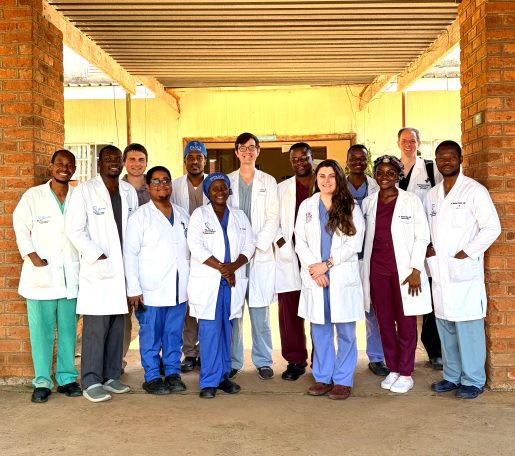 Partnering with the Pan-African Academy of Christian Surgeons (PAACS), Holmes worked alongside local surgeons and residents in Kenya and Malawi. At Kapsowar Hospital in Kenya and Malamulo Hospital in Malawi, he helped care for patients as a consultant surgeon while teaching surgical trainees through operative mentorship, laparoscopic simulation, lectures, and mock oral board examinations. By investing in the education of future surgeons, these programs strengthen the local surgical workforce and expand access to high-quality surgical care across sub-Saharan Africa.
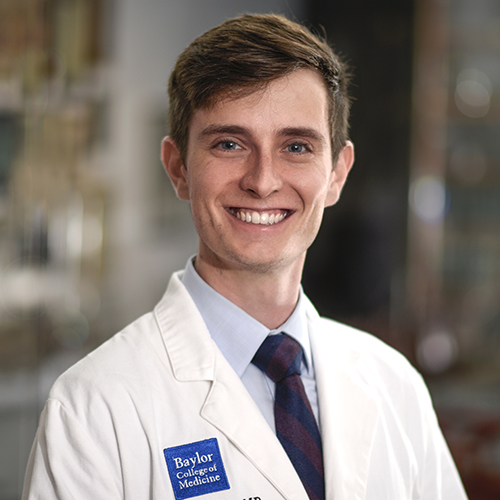 “One of the most rewarding aspects of global surgery is seeing how investing in people creates a lasting impact. Working alongside surgeons and trainees in Kenya and Malawi taught me that global surgery is fundamentally about partnership. Those relationships and shared experiences will continue to shape how I care for patients throughout my career,” Holmes said.
Alongside his clinical efforts, Holmes advanced international research collaborations focused on surgical oncology. Working with partners at Obafemi Awolowo University Teaching Hospitals Complex (OAUTHC) in Nigeria and Memorial Sloan Kettering Cancer Center (MSKCC), he studied the development of one of sub-Saharan Africa’s first formal liver and pancreas surgery programs. The research demonstrated that complex cancer surgery can be safely performed in resource-limited settings through sustained training, multidisciplinary collaboration, and long-term international partnerships. Locally, his research addressed disparities in cancer care in Harris County, Texas, highlighting the role of staging laparoscopy in improving treatment planning for underserved patients with pancreatic cancer.
In addition to his clinical and academic work, Holmes engaged in national and global surgical advocacy. He met with members of Congress through the American College of Surgeons to support national cancer screening initiatives. He also represented Baylor’s Global Surgery Track at the 2026 World Health Assembly in Geneva, contributing to discussions on strengthening international surgical systems.
Holmes will next begin a Complex General Surgical Oncology fellowship at Roswell Park Cancer Center in Buffalo, New York. Building on the foundation of Baylor’s Global Surgery Residency Track, he will continue to pursue his long-term goal of improving access to high-quality cancer care through clinical excellence, collaborative research, surgical education, and international partnerships.
By the Michael E. DeBakey Department of Surgery