
Drowning prevention through policy: Using data to identify high‑risk groups and locations
When a 5-year-old boy with autism was reported missing by his parents, an AMBER Alert was circulated locally. First-responders and the boy’s neighbors combed the neighborhood looking for him. The search lasted several hours, but the boy was untraceable. His body was finally recovered in a retention pond where he had drowned, just two blocks behind his family’s home.
The sad outcome of drowning after wandering from the home is a common scenario involving children with autism. The National Center for Missing and Exploited Children (NCMEC) reports that more than 90% of children with autism who drown do so within 300 yards of their home. Fatal drowning rates are three times higher in children with autism than in their neurotypical peers.
Drowning can be prevented by measures such as using a fence that completely encircles the swimming pool with a self-closing, self-latching gate, effectively supervising children in and around water, teaching children to swim, using lifejackets when boating, and performing early and safe rescue and resuscitation of people who drown. No single method can prevent drowning; multiple layers of protection are necessary.
Children with autism face additional water safety challenges. These include lack of knowledge of water hazards, fewer facilities that offer adapted aquatic lessons, limited anticipatory guidance and wandering prevention resources, and competing caregiver priorities. Caregivers also must manage co-existing medical and behavioral problems in children with autism.
My colleagues and I on the Community Advisory Group on Water Safety for Harris County (CAG) have been working to reduce drowning in our community for more than two years. The CAG, which consists of clinicians, caregivers, public health officials, aquatic and injury prevention specialists and community advocates, is making progress.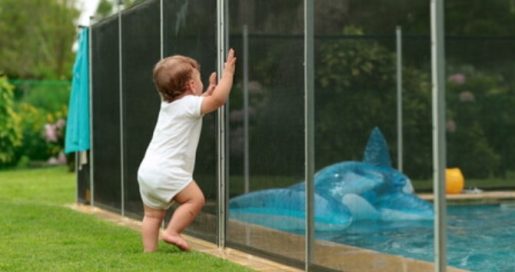
Through a CDC-funded grant, we have identified population groups at high risk for drowning (including children with autism) and high-risk drowning locations. We have mapped the locations of swimming pools and water hazards in the entire metropolitan Houston region. The team observed that out of 116 fatal drownings involving children aged 1-18 years between 2016-2022, autism existed in 9% of children. Seventy percent of drownings were associated with unsecured barriers. None of the children knew how to swim.
Recognizing the critical need for water safety resources for families of children with autism, the CAG has worked with agencies including Greater Houston Safe Kids, YMCA, Harris County Aquatics, Harris County Public Health and Trainees for Childhood Injury Prevention to prepare bilingual resource documents on adapted aquatics for children with autism, identify sites that offer swimming classes/adapted aquatics and swim lesson scholarships and access wandering prevention resources from the NCMEC for distribution to families of children with autism.
Drowning prevention requires a multi-lateral effort. Having identified high-risk drowning locations and people who are at risk for drowning, the CAG is using a data-driven approach to develop and test prevention strategies to counter drowning with the hope for widespread implementation. The future for drowning prevention in metropolitan Houston is hopeful. Maybe the boy’s death would not have been in vain.
By Dr. Rohit Shenoi, professor of pediatrics, Baylor College of Medicine, attending physician, Emergency Center, Texas Children’s Hospital