World COPD Day: Recognizing the signs and understanding your options
 A lingering cough. Shortness of breath on the stairs. Taking more breaks during activities that once felt easy.
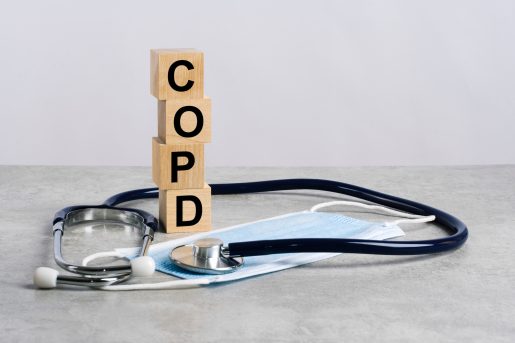
These changes can easily be dismissed when they develop gradually. But they may signal chronic obstructive pulmonary disease, or COPD, a group of lung conditions that restrict airflow and make breathing difficult.
For World COPD Day, Baylor College of Medicine experts highlight the importance of recognizing breathing changes and understanding how care can range from medical treatment to surgical evaluation for select patients with advanced disease.
Recognizing changes in lung health
COPD includes conditions such as emphysema and chronic bronchitis. Symptoms may include persistent cough, wheezing, mucus production, fatigue and shortness of breath. People may gradually adjust their routines by walking shorter distances or avoiding stairs without recognizing that their breathing has changed.
A breathing test called spirometry helps physicians diagnose COPD and assess airflow limitations. Persistent symptoms deserve evaluation rather than an assumption that slowing down is inevitable.
Smoking is an important risk factor, but COPD also can affect people who have never smoked. Environmental and occupational exposures, secondhand smoke, genetics and early lung development can contribute. Understanding these risks can help people recognize when they should seek care, even if they do not fit the familiar profile associated with the disease.
Understanding the full range of care
COPD treatment is individualized. Care may include inhaled medications, smoking cessation support, vaccination and supplemental oxygen when indicated. Although there is no cure, treatment can help manage symptoms and support daily activity.
Dr. Shanda Blackmon, professor of surgery and director of the Baylor Medicine Lung Institute, brings a thoracic surgical perspective to evaluating patients with lung disease.
“For patients with COPD, understanding their options begins with a thorough evaluation. Our role is to look at the whole person, understand how lung disease affects their daily life and work across specialties to determine where medical or surgical care may help.”
Access to care also matters. Barriers such as medication costs, limited availability of breathing tests and transportation challenges can delay diagnosis and treatment. Helping patients overcome these obstacles is an important part of improving COPD care.
Surgical options for advanced disease
Most people with COPD are treated without surgery. For some patients with advanced disease, however, lung transplantation may become part of the discussion.
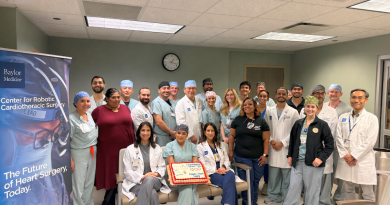
In March 2025, Drs. Ramiro Fernandez and Gabriel Loor performed Texas’ first robot-assisted double lung transplant at Baylor St. Luke’s Medical Center for a patient with advanced COPD. The surgeons replaced the patient’s lungs through small incisions between the ribs, avoiding the need to split the chest.
“Robotic-assisted lung transplantation offers the potential to transform how we care for patients with end-stage lung disease,” Loor said.
The procedure illustrates an evolving surgical approach, not a treatment appropriate for everyone with COPD. Transplant candidacy and the choice of surgical technique require individualized evaluation by a specialized team.
Taking the next step
Persistent breathlessness, cough or declining activity should not automatically be accepted as part of getting older. These changes deserve a conversation with a healthcare professional.
World COPD Day is an opportunity to pay attention to symptoms that may have become familiar. Whether a patient needs diagnostic testing, support managing an established diagnosis or evaluation for advanced treatment, understanding their lung health can help guide the next step. To schedule an appointment with the Lung Institute at Baylor Medicine, call 713-798-5864.
By Kelsey Scott, communications associate in the Michael E. DeBakey Department of Surgery