TAMEST 2026 High-risk, High Impact Hill Prize awarded to Baylor faculty

The Texas Academy of Medicine, Engineering, Sciences and Technology (TAMEST) and Lyda Hill Philanthropies award the Hill Prizes every year to high-risk, high-reward ideas and innovations that demonstrate significant potential in the real-world and can lead to new paths in research. Baylor’s Dr. Susan Rosenberg was one of the 2026 recipients.
The prizes are given in seven categories: artificial intelligence, biological sciences, engineering, medicine, physical sciences, public health and technology. They recognize top Texas innovators, providing seed funding to advance groundbreaking science and highlight Texas as a premier destination for world-class research.
This is the first year that the prizes will recognize seven recipients, with the addition of the new Prize in Artificial Intelligence, thanks to an additional commitment from Lyda Hill Philanthropies to expand the Hill Prizes. In addition, Lyda Hill Philanthropies has committed to fund at least $1 million in discretionary research funding for highly ranked applicants not selected as recipients.
A committee of TAMEST members (Texas-based members of the National Academies) selected the recipients, who were then endorsed by a committee of Texas Nobel and Breakthrough Prize Laureates and approved by the TAMEST Board of Directors.
Principal investigators of the winning proposals will be recognized the evening of Feb. 2 at the opening reception of the TAMEST 2026 Annual Conference in San Antonio. Each prize recipient’s institution or organization will receive $500,000 in direct funding from Lyda Hill Philanthropies to accelerate their work.
Rosenberg, Ben F. Love Chair in Cancer Research, received the Hill Prize in Biological Sciences. She also is professor of molecular and human genetics, biochemistry and molecular pharmacology and molecular virology and microbiology, and part of the Dan L Duncan Comprehensive Cancer Center.
Rosenberg’s proposal was chosen for her groundbreaking strategy to combat antibiotic resistance by targeting the evolutionary process itself.
Antibiotic resistance is a global health crisis, causing millions of deaths and making once-routine infections life-threatening. Conventional strategies focus on developing new antibiotics, but bacteria evolve resistance faster than new drugs can be developed, leaving current approaches increasingly unsustainable.
Her team is pursuing a novel solution: discovering drugs that inhibit the bacterial stress responses that drive mutation and survival during antibiotic treatment. These ‘evolution-slowing’ drugs reduce the emergence of resistant strains and improve infection clearance.
Early studies identified two promising compounds, including one already FDA-approved. Her team will use the prize funding to screen a 14,000-compound drug library to identify additional candidates, study their mechanisms and test their ability to boost antibiotic effectiveness in animal models. The long-term goal is to move successful drug candidates into clinical trials, beginning with veterans suffering from recurrent infections.
This work has the potential to extend the use of existing antibiotics and transform the way bacterial infections are treated worldwide.
Read an interview with Rosenberg about this work, here.
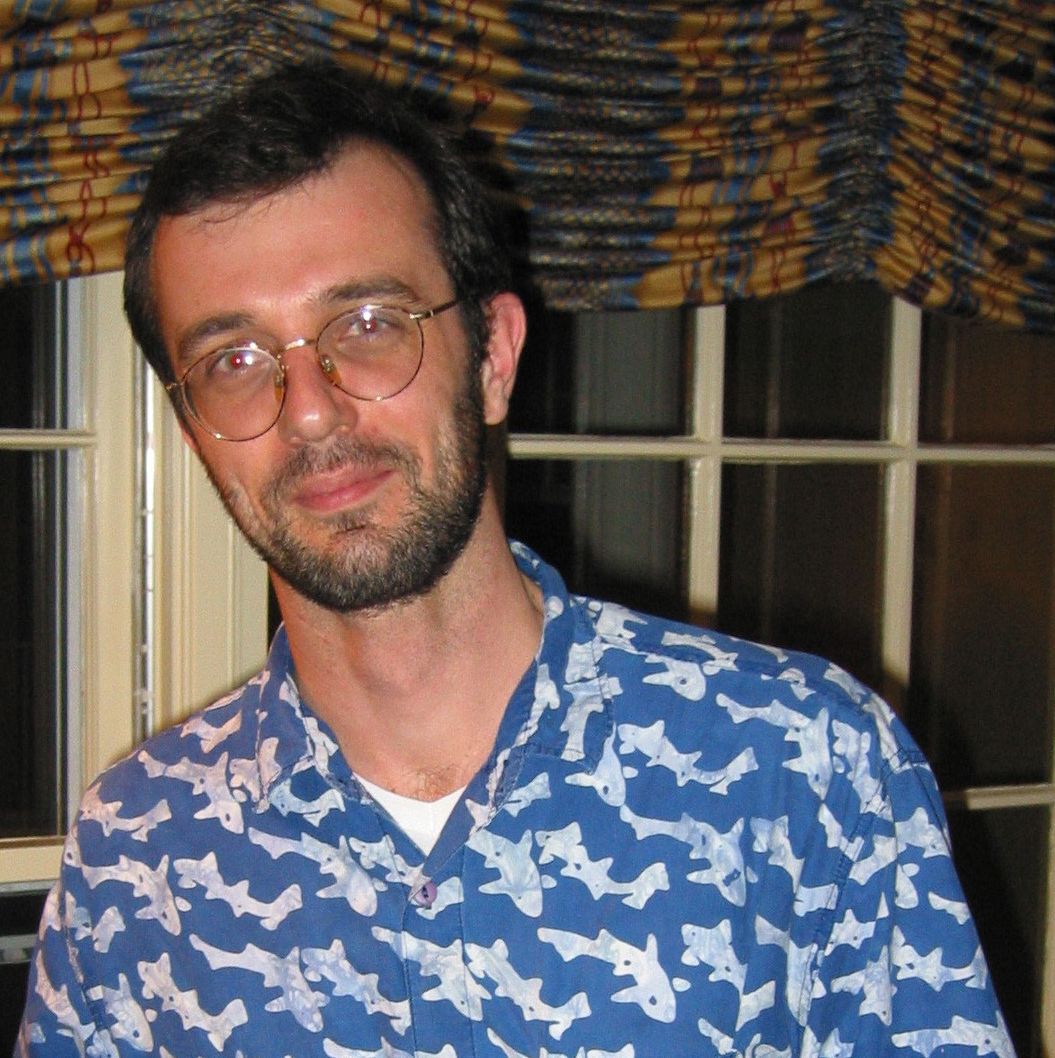
Co-PI: Dr. Christophe Herman, Professor at Baylor College of Medicine.
Follow From the Labs on X, BlueSky and Instagram!