Coping with the pressure to overeat during the holidays: A bariatric perspective
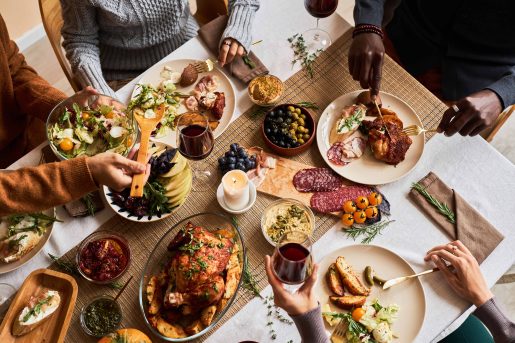
The holiday season is a time to gather, reflect and celebrate. For many individuals who have undergone bariatric surgery or are preparing for it, the season can also bring new challenges, especially when food is placed at the center of nearly every event. While friends and family may mean well, the pressure to overeat can be difficult to navigate.
“Our cultures and traditions dictate that many family events are centered around food. This is especially true in the holiday season,” said Dr. Samer Mattar, bariatric and metabolic surgeon at Baylor College of Medicine. “Patients are not just managing what is on the table. They are managing expectations, traditions and their own well-earned commitment to long-term health.”
 This is also true for patients who might be on medications that promote weight loss through a decrease in their appetite for food.
With preparation and confidence, you can enjoy the season without compromising your goals.
Even when you feel steady in your routine, holiday gatherings may stir:
- Social expectations from loved ones who show affection through food.
- High-calorie environments with buffets, desserts and traditional dishes.
- Old habits resurfacing when surrounded by familiar traditions.
- Internal pressure to fit in or avoid standing out after surgery.
Recognizing these challenges helps you approach the season with intention rather than stress. Learn more about different strategies to support your weight loss goals this holiday season.
Set expectations early
Before attending gatherings, consider how you want to approach food. Preparing a brief, simple explanation can help ease interactions.
“Thank you for offering. I am focusing on small portions at this time.”
“My appetite is such that I can only tolerate a little at a time, but I appreciate you thinking of me.”
Mattar notes that communication often prevents discomfort.
“Most people respond with empathy once they understand a patient’s journey,” he said. “You never owe anyone your full medical history. You only need to share the boundaries that help you maintain your health.”
Prioritize protein first
Protein-rich foods support satiety and overall nutrition after bariatric surgery. Look for lean turkey, roast meats, seafood, eggs or low-fat cheese. Starting with protein helps prevent grazing and reduces the urge to overeat.
Bring a bariatric-friendly dish
Bringing your own dish ensures you have a safe, satisfying option. It also reduces the pressure to eat foods that may not align with your goals.
Use the bariatric plate method
This method helps you participate in holiday meals without losing focus on your nutritional needs. A balanced plate may include:
- 50% lean protein.
- 30% non-starchy vegetables.
- 20% whole grains or small holiday favorites if tolerated.
Eat slowly and listen to your body
Slow, mindful eating is essential after bariatric surgery. Take small bites, chew thoroughly and pause often. When you feel satisfied, stop eating and shift your attention to conversation or connection.
Mattar emphasizes the importance of pacing.
“After bariatric surgery, your body provides clear signals when you are approaching fullness. Listen to your stomach and honor those signals. They are your strongest tool for preventing overeating during the holidays.”
Respond gracefully to food pushers
Pressure often comes from a place of love. You can decline politely while keeping the interaction positive.
“It looks great. I can only handle a small amount right now.”
“I would love to take some home and try it later.”
These responses reassure loved ones while preserving your boundaries.
Practice self-compassion
If you eat more than planned, avoid negative self-talk. Instead, reset at the next meal, hydrate and return to your protein-first approach.
“One meal never defines a patient’s success,” Mattar said. “Progress is measured over weeks, months and years. A single holiday event does not erase the work you have done.”
The holidays can bring stress, grief or busy schedules. Consider strategies such as gentle movement, prioritizing sleep, connecting with support groups and taking breaks when needed. These practices help stabilize energy levels and emotional well-being.
Holiday celebrations are meaningful because of the people, not the portions. With thoughtful preparation and confidence in your long-term goals, you can enjoy the season fully without feeling pressured to overeat.
By honoring your health, you honor the journey that brought you here.
By Brittany Fisk Adiletta with the Michael E. DeBakey Department of Surgery