What should you expect during an allergy test?
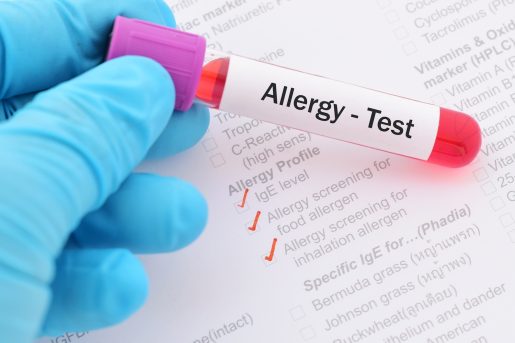 The seasons change, and all of a sudden, your eyes are watering, and your nose is running. Could it be time for an allergy test? Or do you notice you are having difficulty eating certain foods? An allergy test can help rule out what you might be allergic to.
Dr. David Corry, professor of allergy, immunology and rheumatology at Baylor College of Medicine, explains what happens during an allergy test and when you should get tested.
To start, there are two types of allergy tests: a blood test and a skin prick. During a blood test, your sample will be sent to a lab. Corry says a skin prick allergy test is a better, more sensitive way to determine what environmental allergens you are allergic to, like pollens and dust mites.
Before a skin prick test, make sure you are off your antihistamines for up to five days.
“Small needles are typically dipped in extracts of the common things people are allergic to. You’re then pricked either on your back or your arm,” Corry said. “You’re waiting for a red, itchy welt to show up. If it does, you know you are allergic to whatever that is.”
September in Houston is known for high levels of ragweed and weed pollen. During this time or maybe even year-round, you might notice allergic rhinitis symptoms like sneezing, itchy, watery eyes or a runny nose.
Food allergies can be a very serious problem as well, Corry said. “Even if they are not immediately causing anaphylaxis, they could in the future,” he said.
Taking over-the-counter medications like antihistamine tablets and intranasal medicated sprays may not be enough to help your allergy symptoms. Corry says that knowing what you are allergic to with an allergy test is a good way to guide therapy.
“It’s good to know so that you can start taking antihistamines and getting prepared for a specific allergy season ahead of time,” Corry said. “Your allergist must know what you are allergic to to design the best immunotherapy, or allergy shots, program that desensitizes you to your worst allergens.”
After a skin prick test, because you are off antihistamines, you might feel miserable. You’ll have itchy welts on your back or your arm for a few hours.
“Typically, we’ll put patients right back on their antihistamine. Our nurses will also place a cream with antihistamine onto the allergic area,” Corry said.
By Taylor Barnes