Eye exams: A window to overall health
Eye exams are necessary for people of all ages. Regardless of vision, eye exams help pick up different findings. The eyes can detect systemic issues, especially risk for diabetes or high blood pressure.
“You may think you have really good vision, but there may still be better vision you can have,” said Dr. Masih Ahmed, Baylor College of Medicine ophthalmologist. “A lot of patients don’t know they don’t have 20/20 until they come in and can have a refractive error and straining, causing dry eye or headaches. Then they do the eye exam and find out that a pair of glasses or contacts can correct a lot of those issues.”
Routine eye exams
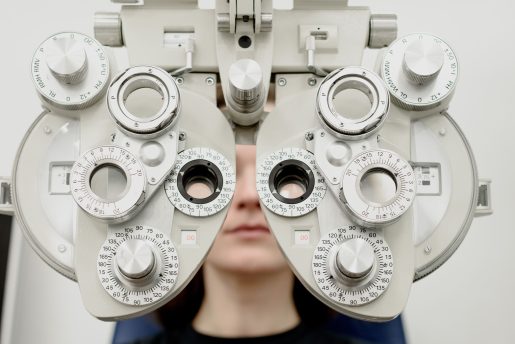 Young, healthy individuals should get vision checks once every one to two years. Once adults enter their late 40s to early 50s, they should get annual eye exams.
“They might start experiencing presbyopia and might need refractive or glasses correction. They also could develop cataracts or other systemic findings,” Ahmed said.
Managing eye health
While eye exercises cannot improve eyesight, people can try to optimize their environment. People tend to blink less when looking at screens, which may result in dry eye. Artificial tears improve the tear film, which also can improve vision. Dry eye can be treated and managed in a way that does not cause damage to the eye.
If vision is not sharp when looking at street signs and headlights while driving or if the board looks fuzzy in the classroom, glasses help with vision correction. A well-rounded diet allows one to get the vitamins the eyes need to prevent issues. Most people do not need supplementation of any sort.
“The studies that show vitamins are helpful for the eye are for people who have early findings of macular degeneration. In those cases, specific vitamins can be helpful for slowing the progression,” Ahmed said.
Most people will eventually develop cataracts as they age, and this can be treated to help them see better. Early detection of glaucoma and macular degeneration allow for intervention before vision is lost: Once vision is lost with these conditions, it cannot return.
“If you have a family history of eye conditions, getting an eye exam earlier can help catch those conditions while still treatable to prevent that from causing issues,” Ahmed said.
Lifestyle modifications
Protective eyewear is important for people with an active lifestyle or those who play active sports.
“You only get two eyes, so making sure you wear protective eyewear is helpful,” Ahmed said.
Heavy UV-blocking sunglasses prevent ultraviolet radiation damage to the eyes that can cause dry eye, cataracts and macular degeneration.
Try to prevent eye strain when spending time in front of the computer: Take a break every 20 minutes to look at something 20 feet away for 20 seconds to help relax the eye muscles and limit strain.
Consuming omega 3 and omega 6s, which come from fish oils, helps decrease dry eye incidence. Leafy green vegetables also are beneficial to the eyes.
Children below the ages of 10 to 12 should spend ample time outside. Spending time looking at screens increases accommodation, which causes nearsightedness.
“You can prevent needing glasses or contacts at that early age by reducing the amount of time spent on screens. Spend two hours a day outside in sunshine with proper sun protection focusing on things far away instead of up-close,” Ahmed said.
Smoking is proven to worsen macular degeneration and dry eye. Ahmed recommends undergoing cessation for smokers to prevent eye damage.
By Homa Warren