Giddy up for rodeo hygiene: How to stay healthy around livestock
 The Houston Livestock Show and Rodeo is just around the corner – a time for patrons to enjoy watching and interacting with livestock. While being around the livestock is safe, a Baylor College of Medicine expert offers tips for staying germ-free from animals.
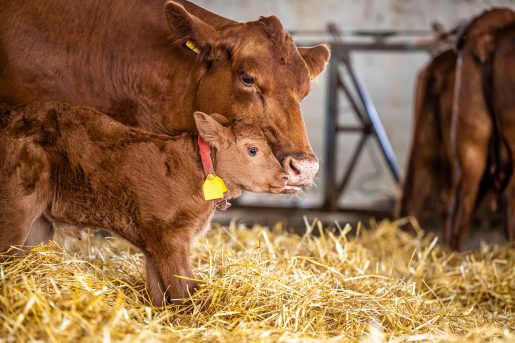
Livestock can carry infections such as E. coli and salmonella, and they could be asymptomatic. The main way a person contracts these illnesses is either direct contact with the animal or contact with manure/stool. Baby livestock also can carry infections with higher bacteria loads, so do not assume they are safer than adult animals.
“The most important thing is hand hygiene, especially with young kids, because bacteria is going to be spread directly from hand to mouth,” said Dr. Melanie Kiener, assistant professor of medicine – infectious diseases at Baylor.
After petting animals, wash your hands and your children’s or use hand sanitizer. Kiener also recommends not eating around the animals and manure to avoid coming in contact with bacteria.
Other infections include brucella and Q fever (Coxiella burnetii). While rare, these are zoonotic infections that can transmit through ingestion, so the bacteria can become aerosolized.
“The most common scenario is when cattle or livestock are giving birth. The placenta and birth products themselves have a high concentration of these bacteria, so they can spread through the air,” Kiener said.
If you are immunocompromised or plan to be in close contact with an animal giving birth, wear a mask. These are rare conditions, and past rodeos have not had major outbreaks of either infection. Kiener also cautions patrons about consuming raw or unpasteurized milk from the rodeo as it would be another opportunity to contract these infections.
Those who are showing livestock should be aware of Orf, a pox virus that belongs to the same family as smallpox or mpox. Animals tend to have sores around their mouth and face, and the virus is spread by direct contact. This is a well-known virus in the rodeo community, so these animals likely aren’t on the grounds, but if you do see a rodeo animal with sores, avoid contact with them.
“Being in the same room with the animals should be safe. Practice good hand hygiene, don’t eat in areas with manure, don’t wear shoes in the house if they have manure on them and wash your clothes when you get home,” Kiener said.
By Homa Warren