
Lend me your ears. Here’s how you can safely clean them.
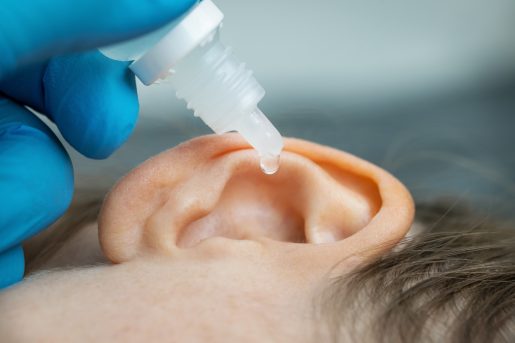 When some think about cleaning the inside of their ears, they might reach for a Q-Tip – don’t do this. While you can use a damp washcloth to clean around the outside of your ears, putting objects inside of them to remove earwax is a no-no. Dr. Angela Peng, an otolaryngologist at Baylor College of Medicine, shares how to safely clean the inside of your ears without damaging them.
“Ears are self-cleaning,” said Peng. “There are mechanisms in the ear canal that make earwax slowly migrate toward the outer portion of the ear canal. Sometimes the wax will fall out on its own.”
She adds that the amount of earwax you produce depends on the genetics of your ear canal skin. Some people are prone to eczema; others have generally oily or waxy skin, and these are the ones who are likely to produce more earwax. If you’ve had previous ear surgeries or chronic ear infections, you also are likely to have more earwax.
To clean this, don’t use the cotton swab or Q-tip. Peng says that while these items fit perfectly in most people’s ear canals, they actually push whatever is inside the ear canal further and packs it in there, making it even harder to come out on its own. Q-tips also can cause micro abrasions in your ear canal, making you more susceptible to ear infections and irritation.
“Inserting anything into the ear canal means that you are risking damage to your ear canal, the ear canal skin, possibly your eardrum and hearing bones,” Peng said.
When cleaning the inside of your ears, consider a cost-effective option such as mineral oil drops.
“You only need a couple of drops at a time. The mineral oil lubricates and softens the wax but doesn’t swell it up. It helps migrate the wax to the outer canal so that you can wipe it clean,” Peng said.
Irrigation cups to remove earwax can be a reasonable option for some people, but if you are prone to ear infections, you need to be careful not to get the inside of your ear wet.
“If you have a history of chronic ear infections, irrigating or washing your inner ear out could lead to further infections because the water could stay there,” Peng said.
If you ever feel ear pain or have frequent ear infections, see a primary care or ENT physician for further evaluation.
By Taylor Barnes