
Elevating youth voices: Driving policy change from the Pele Chandler Youth Suicide Prevention Symposium
In late October 2025, Houston hosted a pivotal gathering on one of the most urgent issues facing young people today: suicide prevention. Over three days, the Pele Chandler Youth Suicide Prevention Symposium and related events brought together community health workers, researchers, youth, parents and healthcare professionals. Hosted by Texas Children’s Hospital and Baylor College of Medicine, in collaboration with the Houston Area Suicide Prevention Coalition (HASPC) and the Violence and Injury Prevention Research Center, the symposium featured a series of five events held over three days. At the heart of the event was Brandon J. Johnson, a national leader in suicide prevention and founder of The Black Mental Wellness Lounge.
Healing in the trenches: community health workers take the lead
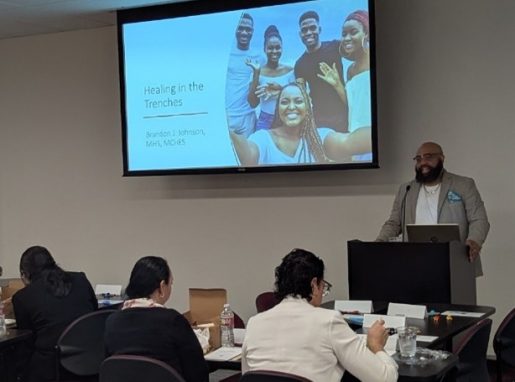
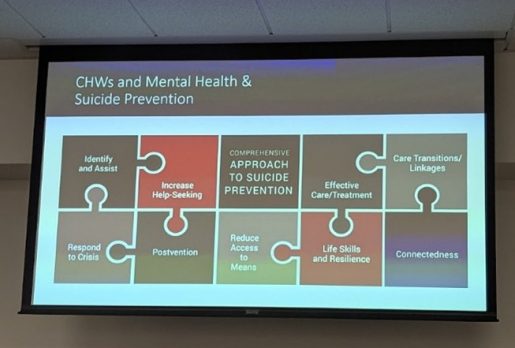
The symposium started with a “Lunch and Learn” for community health workers (CHWs). Johnson, who began his own career as a CHW, reminded attendees of their unique power: they are not outsiders parachuting into communities – they are the community. He urged them to lean on their lived experiences, to see themselves not just as helpers but as leaders. The session reinforced a truth often overlooked: healing begins with connection, and CHWs are vital to that process.
What if youth SHOWED us the way?: Youth & young adult mental health & suicide prevention photovoice showcase

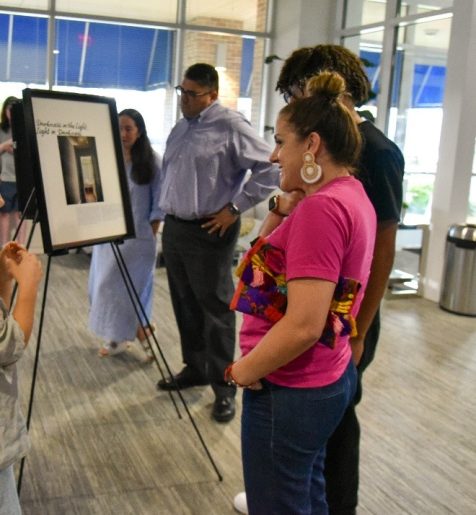
One of the most moving events was the Photovoice showcase, where 22 youth and young adults used photography to express their experiences with mental health and suicide prevention. Themes ranged from gratitude and resilience to isolation and feeling overwhelmed.
The showcase reminded everyone that prevention isn’t about speaking to youth – it’s about listening to them.
Photos will be on display: Tuesday, January 27, 2026, TCH Auxiliary Bridge, 10:30 am – 1:00 pm
Researcher roundtable: Bridging gaps in knowledge
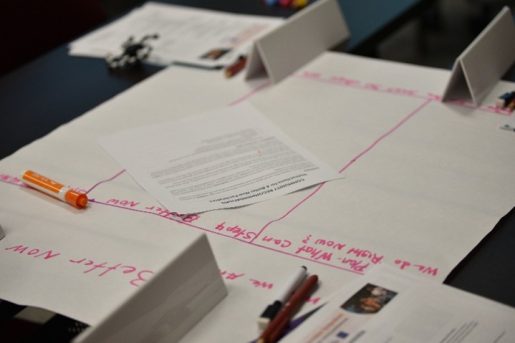
The symposium gathered 21 researchers and community partners to examine suicide prevention research, exposing gaps in data, school reporting and survivor perspectives. Participants urged broader strategies – community-based research, protective-factor studies and systems-level interventions – shifting focus from why youth die to what keeps them alive. Despite progress, research remains risk-averse; real change demands bold innovation and collaboration.
Youth suicide prevention symposium: Community in action
The central event drew more than 70 youth, parents, educators and professionals. Johnson’s keynote, “Youth Voice, Youth Power, Youth Change,” set the tone: solutions must be shaped by those most affected.
Local data revealed the urgency: in Harris County, suicide claims approximately 30 young lives each year. Surveys show that 20% of youth have seriously considered suicide, while 40% report persistent sadness.
Panel discussions and group activities generated community-based recommendations to:
- Reduce barriers to mental health resources.
- Expand school-based mental health services.
- Support parents with training and resources.
- Create safe spaces and peer-led programs.
- Normalize conversations about mental health in pediatric care.
Grand rounds: Beyond screening and assessment
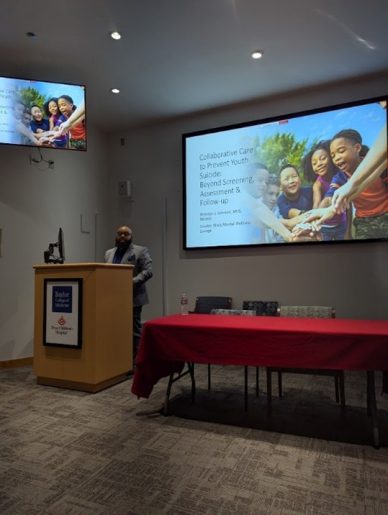
The symposium closed with Texas Children’s Hospital’s Grand Rounds, where Johnson presented “Collaborative Care to Prevent Youth Suicide: Beyond Screening.” He stressed moving past checklists toward care pathways and community partnerships – enhanced safety planning, caring contacts, training educators and youth-led input. His core message: youth seek authentic support, creative outlets and early emotional regulation education, not token gestures.
Policy implications: Turning insights into action
The conversations and recommendations emerging from the symposium point to critical policy opportunities at local, state and national levels. To translate these insights into systemic change, policymakers should consider:
- Investing in Community Health Workers: CHWs are trusted connectors who bridge gaps between families and formal systems. Policies that fund CHW training and integration into mental healthcare teams can strengthen prevention efforts, especially in underserved communities.
- Expanding School-Based Mental Health Services: Schools remain a primary touchpoint for youth. Policies should prioritize funding for on-site counselors, peer-led programs and trauma-informed practices, ensuring mental health support is accessible and culturally responsive.
- Standardizing Data Collection and Reporting: Comprehensive, standardized reporting can inform research and guide targeted prevention strategies.
- Embedding Youth Voice in Decision-Making: Youth perspectives are not optional – they are essential. Policies should require youth advisory boards for mental health initiatives and incentivize programs that elevate youth leadership in prevention efforts.
- Supporting Family Engagement: Parents and caregivers need tools to recognize warning signs and respond effectively. They also need training and resources to provide in-home support to children and youth experiencing suicidal thoughts and behaviors. Policies that fund parent education programs and family-centered interventions can strengthen protective factors at home.
A Call to Action
The takeaway is clear: preventing youth suicide requires all of us – parents, educators, providers, researchers and, most importantly, youth themselves. By listening, collaborating and acting with compassion, we can move beyond survival toward meaningful change.
By Dr. Angela Cummings, assistant professor, pediatrics – public health, Baylor College of Medicine
Photo credits: all images by Cassandra Vigil, except the final photo, which was taken by the author, Dr. Angela Cummings